Minneapolis to Spend Nearly $4 Million on 116-Year-Old Wirth House
A nearly $4 million renovation will rescue the 116-year-old Theodore Wirth Home, the Minneapolis park superintendent's residence with one bathroom for six bedrooms.
Programme
- The Theodore Wirth Home, built roughly 116 years ago, will undergo a nearly $4 million renovation starting within months.
- The 7,300-square-foot house currently has one full bathroom for six bedrooms.
- Al Bangoura, appointed superintendent in 2019, is the eighth superintendent to live in the house.
- McMonigal Architects spent four years on research and planning, including a nearly year-long debate over first-floor windows.
- Most funding comes from private donors, including descendants of Theodore Wirth and former superintendent Robert Ruhe.
By Daniel Okafor
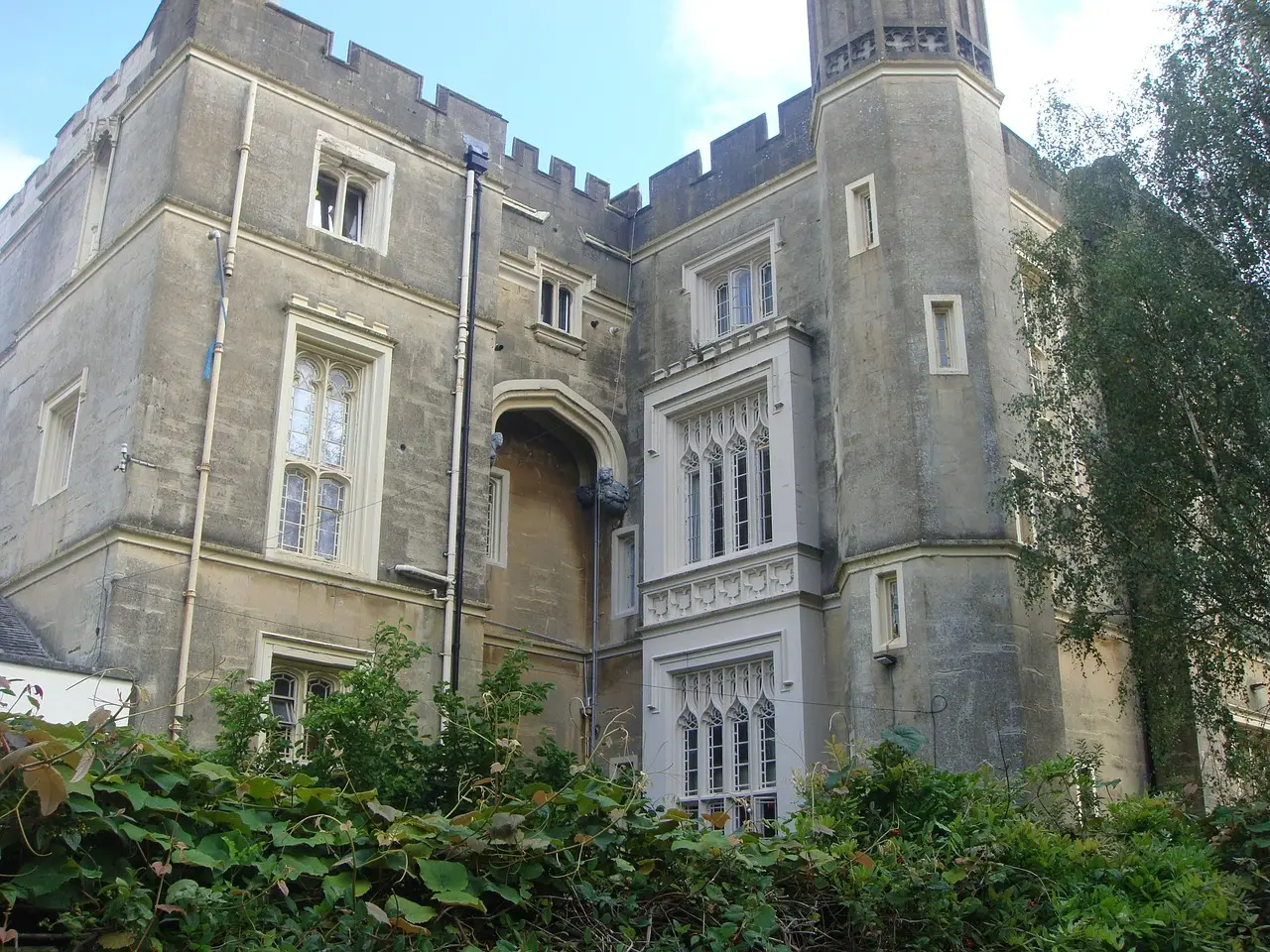
A nearly $4 million renovation will begin within months on the Theodore Wirth Home, the 116-year-old, 7,300-square-foot house that sits inside Lyndale Farmstead Park in south Minneapolis. First item on the list: a new roof.
The current occupant is Al Bangoura, the Minneapolis Park and Recreation Board's 12th superintendent, appointed in 2019. He is the eighth superintendent to live in the house — a Lowell A. Lamoreaux–designed Colonial Revival/Mission Revival pile with two levels of walkout basement and a teal front door that park visitors know on sight. Minnesota offers very few official residences; this one ranks alongside the Governor's Residence and Eastcliff, the University of Minnesota president's historic home.
Why does the house need saving?
The building has been slipping into disrepair for years. Assistant superintendent of planning services Michael Schroeder is blunt about it. "If you look closely, there are cracks in the exterior," he said. "The windows are old, drafty, and leaky; it needs a new roof; and since it's more than 100 years old, it's time to make some investments."
The basics are sobering. The house currently has one full bathroom serving six bedrooms — seven if you count a space used as an office. The tiny kitchen was last renovated decades ago, back when the building served as an office rather than a family home. A circa-1966 pastel chartreuse Volvo wagon in the driveway, sometimes used by Bangoura's wife Kendra Lewis as a roaming vintage-wares-and-flower shop, is considerably more current than the plumbing.
Who is paying, and why is it so slow?
McMonigal Architects, a local commercial and residential firm, leads the project after four years of research and planning. Founder Rosemary McMonigal calls it "an unusual house." "We've spent years just getting our arms around what's there, how it's functioning, what the problem areas are," she said.
The house sits on the National Register of Historic Places, so every change needs sign-off from both the Minnesota State Historic Preservation Office and Minneapolis's Heritage Preservation Commission. The result: years of comments, responses and paperwork. One debate over first-floor windows alone ran nearly a year. "It's the only house that sits and resides within a park in the entire city, so there are several unique elements to consider," McMonigal said.
Most of the money comes from private donors, partly organized by descendants of Theodore Wirth and former superintendent Robert Ruhe. Schroeder notes the park board couldn't have funded it otherwise, since it prioritizes spending on publicly accessible amenities — "which I think is correct and proper," he said.
What will change?
After the roof and windows, the team will rework the interior:
- A new primary suite and additional bathrooms, bringing the count to three full baths and a half bath
- Updated bedrooms, closets and office space
- An expanded kitchen
- Restoration of Theodore Wirth's original drafting room in the walkout basement as a community space — once it, too, gets a bathroom
What does the house mean to its tenant?
Bangoura, who moved in with his family in 2019, frames the residence's significance in historical terms. "As an African American family, living there represented something significant for the community," he said. "In the 1910s, '20s, even '50s, it would not have been an option for us to live there. So we made the conscious choice not only to live in the house but preserve it."
He expects his family won't stay long enough to enjoy the finished product. He doesn't mind. "This house is owned by the people, the residents of Minneapolis, the taxpayers," Bangoura said. "This place was built for the superintendent, but the superintendent is a public servant to the residents, right?"
The house was originally built to lure Theodore Wirth — perhaps the city's most famous parks superintendent — into taking the job in the early 1900s. Once the roof is on and the bathrooms counted in double digits' worth of planning paperwork, it should be ready to recruit a few more.
Source: mspmag.com
More from Daniel Okafor
Show full bio
News editor covering companies, deals and strategy in arts in the broadest sense at Arts & Voices.
1,474 articles