Morphine's Lost 1998 Loft Tapes Emerge as 'Cocoon'
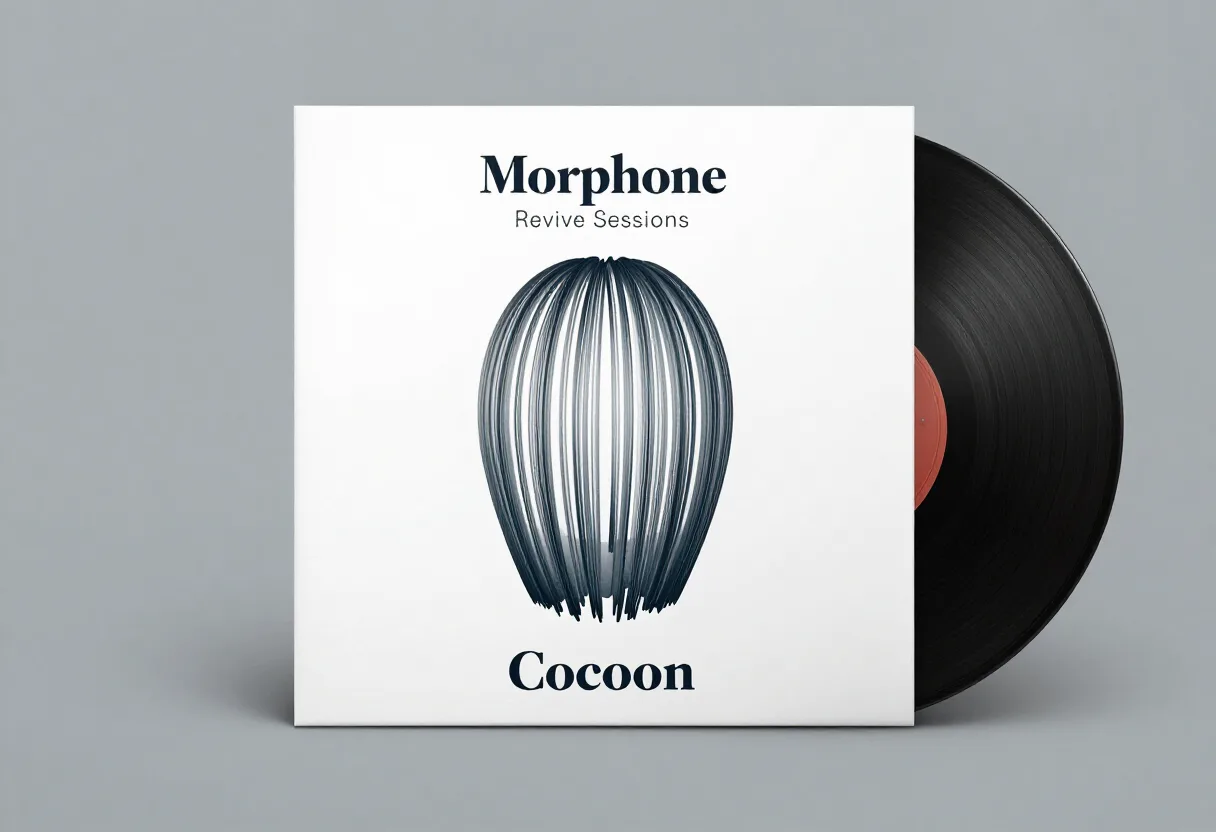
Morphine's lost 1998 loft demos, recorded before Mark Sandman's fatal collapse in Rome, are set for release as Cocoon — a final goodbye 26 years on.
Programme
- Morphine frontman Mark Sandman died at 46 on 3 July 1999, seven songs into a festival set near Rome.
- The lost 1998 loft demos, rejected during DreamWorks sessions, are now being released as Cocoon.
- Morphine's final studio album, The Night, was self-produced by Sandman and released in February 2000.
- Sandman won a $20,000 settlement after a car crash that preceded Morphine's 1992 debut, Good.
Morphine frontman Mark Sandman collapsed and died mid-song on 3 July 1999, at a festival near Rome, seven songs into a set — and now the demos he recorded weeks before that final tour are finally being released as a new album, Cocoon.
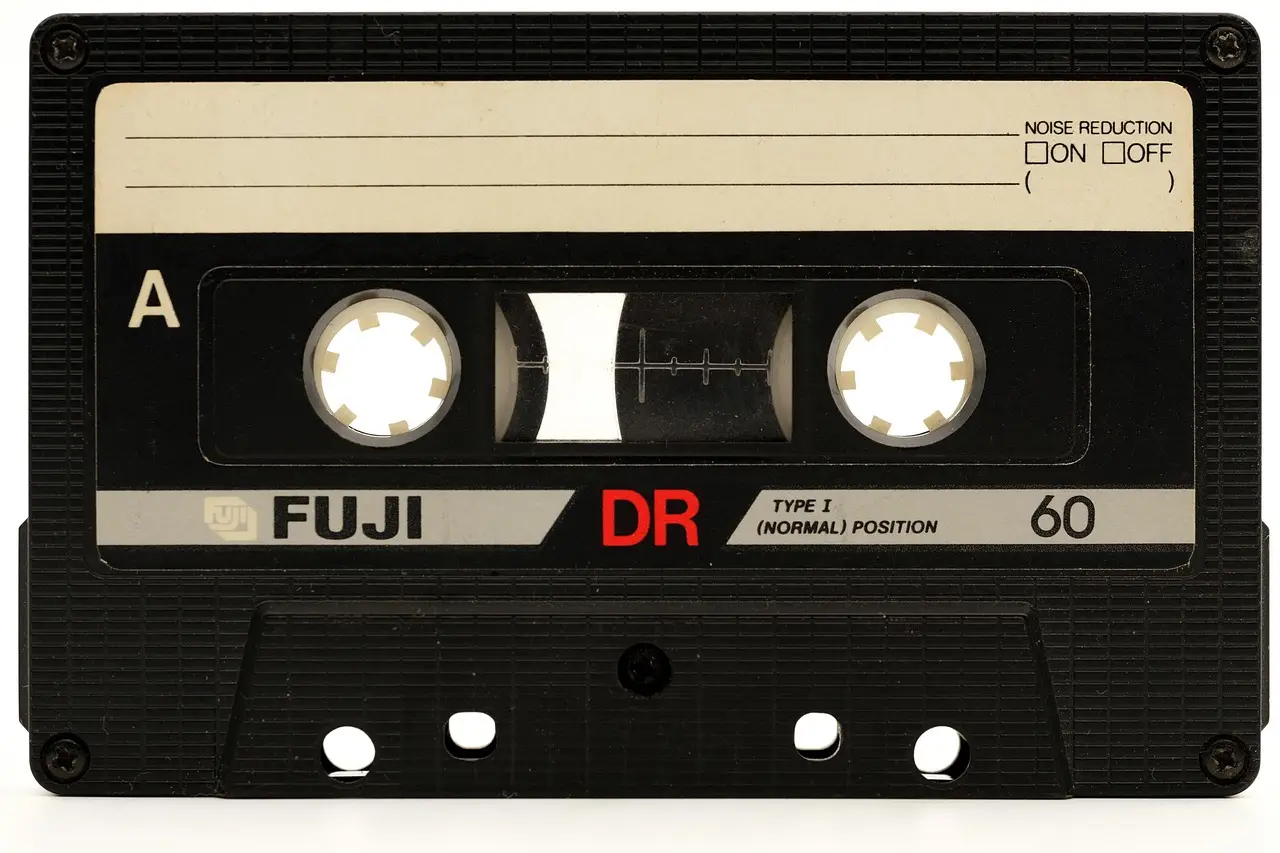
The recordings date from early 1998, cut at Sandman's own loft studio, Hi-N-Dry, in Massachusetts. They preceded fraught sessions at Fort Apache, where Morphine were attempting their first LP for DreamWorks Records, the label founded by David Geffen and Mo Ostin that the trio had signed to in 1997. That major-label album was never finished. A batch of songs from the period is only now seeing release, almost three decades later.
"For the first time, Morphine were trying to please someone other than just ourselves," saxophonist Dana Colley remembers of the DreamWorks era.
"DreamWorks wanted to make the 'big Morphine record'," says Paul Q Kolderie, who produced all of Morphine's albums and oversaw the sessions. "But the label didn't know what they wanted. And Mark didn't know what he wanted. He wasn't happy."
How the pressure broke the sessions
The standoff ended when DreamWorks hesitated over the latest demos and Sandman had "a particularly bad fight" with Kolderie. He abandoned both the producer and Fort Apache — the studio where Kolderie had recorded Radiohead's Pablo Honey and The Bends, and Hole's Live Through This. Sandman retreated to his loft, wrote a new batch of songs and self-produced them as The Night, Morphine's fifth album, expanding the lineup with extra bass, violin and cello.
By the time The Night reached shops in February 2000, Sandman was dead at 46.
Sandman's partner, Sabine Hrechdakian, offers her reading of that record: "My theory is, somewhere inside he knew he was not well. The Night is an album of him saying goodbye."
What does Cocoon change for the band's legacy?
For years, the estate was locked away. After Sandman's death it passed to his father, who, in Kolderie's words, "didn't have any idea what to do with it" and turned down license requests from Nike. A posthumous box set, Sandbox, was smothered by an ultimately unsuccessful Rykodisc lawsuit.
Hrechdakian and Morphine's manager, Deborah Klein, took over after the father's death. Sorting a huge storage space of Sandman's artwork, music and correspondence, Hrechdakian contacted Kolderie to help preserve the tapes — and identified the 1998 loft demos as a goldmine.
"There's a looseness," she says of the recordings. "You can hear him laughing, his fingers on the strings … I sobbed for a while, listening to it."
"Putting Cocoon together feels like a love story, like we're communicating across time and space," Hrechdakian adds. "It's like Mark has come back to life for everyone who hears it, and he has for me as well."
A life shaped by near-death
Sandman's path to Morphine ran through repeated brushes with mortality. Raised in a middle-class Massachusetts home, he left at 18 for Alaska and South America, working as a fisher until intestinal illness damaged his kidneys and forced him home for urgent treatment. He returned to grief: his brother Roger, who had cerebral palsy, died in 1978; sixteen months later his brother Jon died falling from a window at a party. His 1989 track No Reason, with Treat Her Right, addressed those losses directly: "There's no reason in this life / someone lives and someone dies."
A mugging left him stabbed in the chest and left for dead. Then a car wreck totalled his 1964 Plymouth Barracuda after Treat Her Right's farewell show — hospital, but also a $20,000 settlement that let him quit cab-driving and construction and focus on music.
Morphine formed when Colley jammed with Sandman's one-string bass and drummer Jerome Deupree joined. Their 1992 debut, Good, introduced what they called "low rock": Sandman's murmured beat poetics over slide bass and baritone saxophone. After Cure for Pain (1993) and a Late Night with Conan O'Brien appearance, "every show we played sold out, until our very last gig", says Colley. Their music soundtracked Get Shorty, Wild Things and an early episode of Sex and the City.
In Rome, at the second show of the European tour during a heatwave, Colley remembers "a beautiful evening, shining faces looking back at us. Seven songs in, we were playing Super Sex and Mark buckled at the knee and fell down. I could hear his bass ringing out, and put my horns down and ran to him. They took him to the emergency room down the street, but he was already gone."
Colley has kept the music alive through live projects since. With Cocoon, the loft tapes Sandman built in his "cocoon" now reach the audience his major-label record never did.
Original: youtube.com
More from Marcus Bennett
Show full bio
Staff writer covering people, launches and day-to-day practice in arts in the broadest sense at Arts & Voices.
881 articles