Nan Goldin’s Hayward Gallery film tests a Warhol-sized claim
Nan Goldin’s Hayward Gallery film links erotic intimacy, Caravaggio, Greek myth and disturbing animals, while leaving its sweeping Warhol comparison only partly proved.
Programme
- The Guardian review calls Nan Goldin the greatest US artist since Warhol.
- 1817: Stendhal fell ill in Florence after gorging on the city’s Renaissance treasures.
- Stendhal Syndrome appears inside a bronze-yurt-like structure entered through a vaulted corridor at the Hayward Gallery, London.
- The erotic montage shows Goldin’s friends mostly nude, with some touching themselves or bathing together.
- The review identifies Caravaggio, Greek myth and disturbing animal montages alongside Goldin’s erotic imagery.
By Tom Whitfield
The Guardian’s verdict calls Nan Goldin the greatest US artist since Warhol, a sweeping claim attached to her film Stendhal Syndrome at the Hayward Gallery in London. The review’s more defensible achievement is narrower: it shows how Goldin turns spontaneous, dangerous lives, art history and animal imagery into a single filmic argument.
What does this change for viewers?
At the Hayward Gallery, that argument begins with the condition that gives Stendhal Syndrome its name. Stendhal syndrome takes its name from the French novelist who fell ill in Florence in 1817 after gorging on the city’s Renaissance treasures.
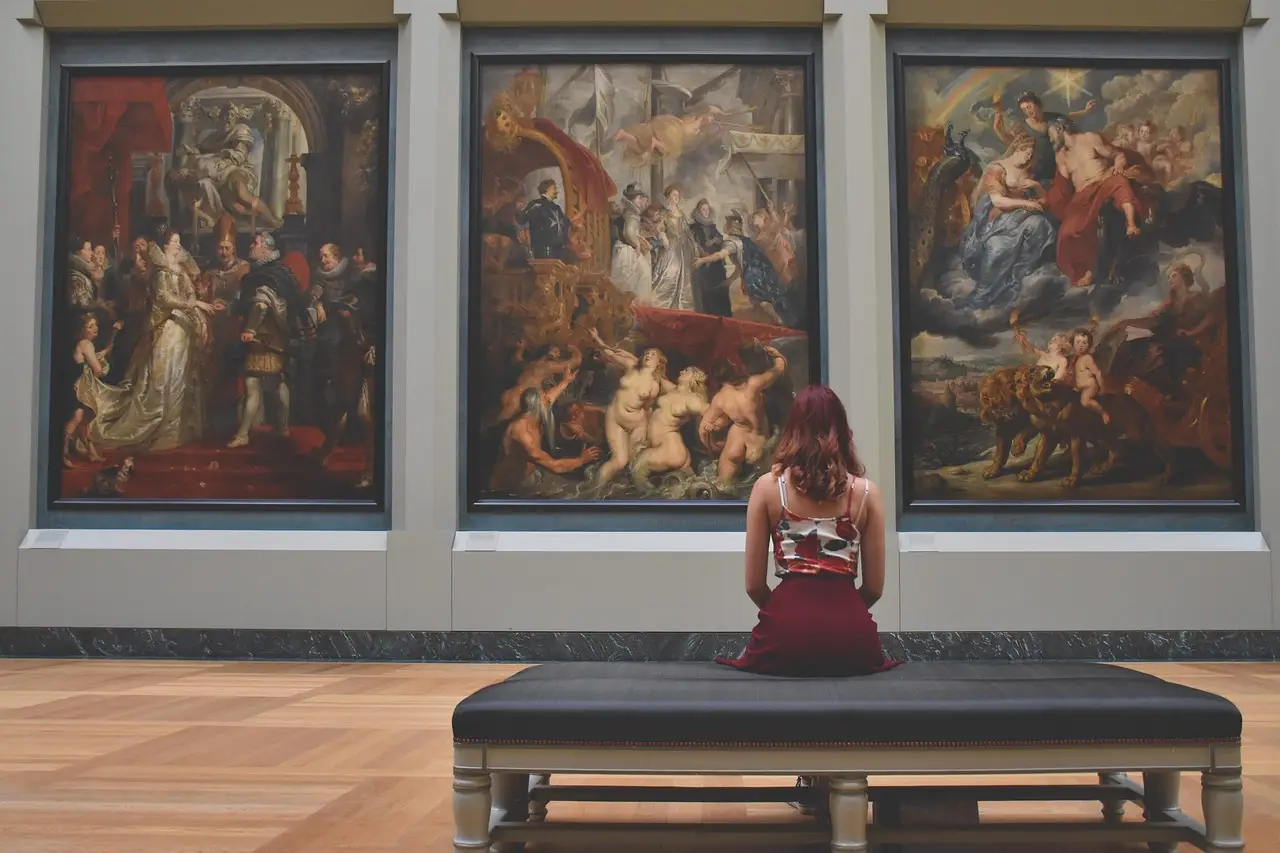
He described the experience: “I had palpitations of the heart … I walked with the fear of falling”. Goldin locates her own version of the aesthetic delirium not in Italy but in Paris. On screen, she explains: “the first time I was alone in the Louvre”.
The parallel gives the film a way to test beauty against the instability it produces. Within the review’s framework, looking at the Louvre becomes a physical risk rather than a harmless lesson in taste. The film then turns the same question toward bodies, images and animals, shifting its focus from the pleasure of seeing to the consequences of seeing too much.
The installation gives that premise a physical form. The film sits in what looks like a bronze yurt, reached through a vaulted corridor. The reviewer initially hears the design as ostentatious, then reverses the judgment: the ceremony is justified by the work. In the review’s account, the architecture prepares viewers for a film about overload.
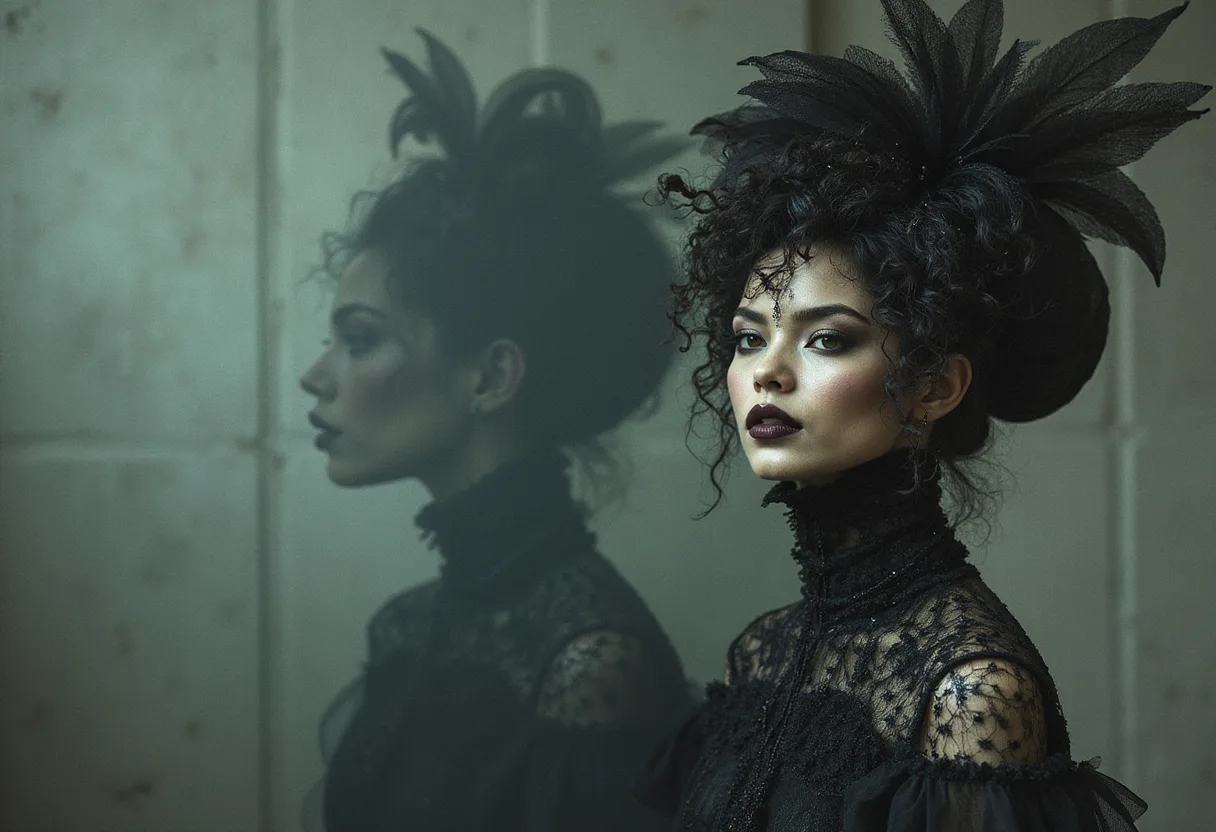
At its centre is a montage of sensual images drawn from Goldin’s world of spontaneous, dangerous lives. The bodies are friends, and the camera remains close to them:
- Friends appear mostly nude, with legs wrapped around one another.
- Other bodies lie in a swoon, touch themselves or bathe together.
- The sequence treats intimacy as physical fact rather than polished fantasy.
The Guardian calls this dirty realism, defined by an unfazed attention to the rough seams of spontaneous, dangerous lives. The result carries the raw, immediate impact the review credits to Goldin: she records people as she finds them, not as a flawless social fiction.
Goldin’s early photo series, The Ballad of Sexual Dependency, established that impact when she first put her world viscerally on camera. The film carries that method into moving image, where the camera’s proximity makes bodies feel exposed as well as present.
The approach links physical closeness to exposure, but the review says there is a difference without defining it. That missing explanation matters because the Warhol claim concerns historical rank, not merely the force of a single exhibition.
The review also finds echoes of Caravaggio and Greek myth in the erotic images. It does not specify whether those histories act through staging, lighting, pose or narrative, so their role remains asserted rather than demonstrated. A reference to Caravaggio cannot substitute for an account of what the film does with it.
Disturbing animal montages block any easy equation between beauty and innocence. The review argues that human beings can be beautiful without being innocent. By placing animal imagery beside the erotic sequence, Goldin makes moral unease as important as sensual pleasure.
On the evidence the review sets out, Goldin demonstrates command of image, installation and historical reference. What it does not establish is the hierarchy needed to call her the greatest US artist since Warhol. The film’s achievement is more specific: it makes looking itself feel unstable.
The Warhol-sized claim still requires a more exact argument than the exhibition material described here. The next test for Stendhal Syndrome is whether that instability survives beyond the Hayward Gallery’s vaulted corridor and becomes an argument viewers can carry with them.
Source: theguardian.com
More from Tom Whitfield
Show full bio
Market editor covering people, launches and day-to-day practice in arts in the broadest sense at Arts & Voices.
1,741 articles