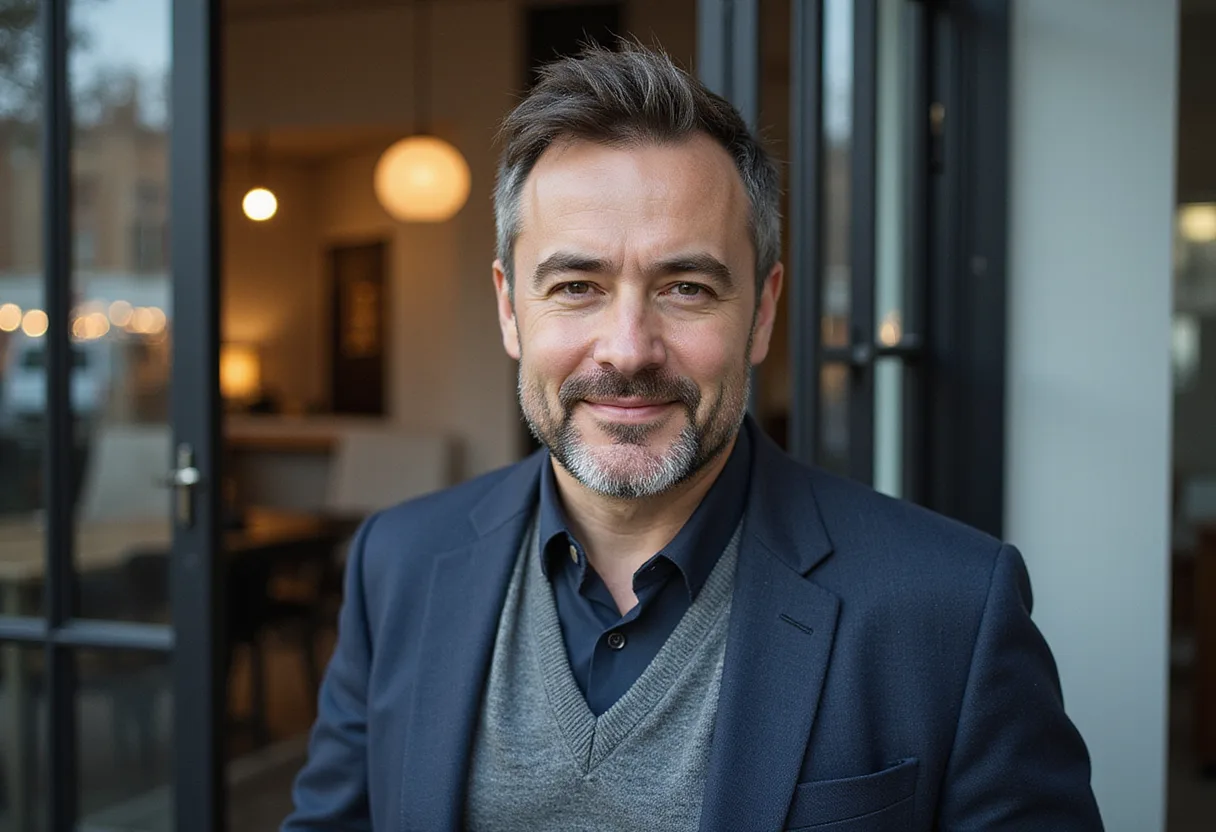
National Book Award finalist Abdelrahman ElGendy denied US visa
The US Consulate denied writer Abdelrahman ElGendy a visa before Wednesday’s National Book Awards ceremony. The foundation and Hogarth maintain that the “Huna” finalist remains eligible.

Programme
- The US Consulate denied Abdelrahman ElGendy’s visa before the ceremony on Wednesday, the 18th, in New York.
- ElGendy, 30, is a nonfiction finalist for “Huna,” his memoir about detention as a political prisoner in Egypt.
- He left the United States in April 2025 after studying for a master’s degree in Pittsburgh.
- Eligibility requires US citizenship, permanent residence or US residence near the cycle’s December start; Olshan says ElGendy fails that test.
- The category winner receives R$58,500, each finalist R$5,800, and publishers pay R$789.94 per submission.
By Grace Kim
The US Consulate denied Abdelrahman ElGendy’s visa request, preventing the 30-year-old National Book Award finalist from attending the ceremony on Wednesday, the 18th, in New York. ElGendy is the nonfiction finalist for “Huna,” a memoir about his experience as a political prisoner in Egypt.
The National Book Foundation, which runs the awards, said there was no dispute over the book’s nomination. Its response separates the status of the book from ElGendy’s ability to enter the United States.
ElGendy detailed the failed visa attempt in an essay published in local press. He said he submitted documents proving that he currently resides in Europe, but the Consulate still denied him a visa.
He left the United States in April 2025 after studying for a master’s degree in Pittsburgh. He said he feared arrest by Immigration and Customs Enforcement (ICE) because of his criticism of Gaza’s bombardment and US-Egypt relations.
How eligibility is decided
The award rules turn on a different set of criteria. National Book Awards rules require nonfiction authors to be US citizens, permanent residents, or people who lived in the United States near the start of the prize cycle.
That cycle began in December last year. A marketing manager at Olshan, a law office, said those standards make ElGendy ineligible, an interpretation that conflicts with the position of his publisher and the foundation.
The foundation said it had received no challenges to “Huna”’s nomination. It also said Hogarth, ElGendy’s publisher, confirmed that the United States remains his permanent residential address.
Eligibility confirmation runs as a confidential process between the foundation and publishers. Hogarth said it followed the rules for appeals and that the foundation accepted the book’s submission, considering ElGendy eligible.
The two positions turn on different questions. Olshan offers an outside reading of the published rules, while the foundation relies on publisher confirmation through its own procedure. The foundation has not announced any change to ElGendy’s finalist status.
Other finalists and semifinalists in the nonfiction category supported ElGendy on social media. They criticized the arbitrariness of immigration policies under the Trump administration and connected his exclusion from the ceremony to those policies.
The prize money is fixed in the award rules. The winner in each category receives R$58,500, and each finalist receives R$5,800.
The rules also require publishers to pay R$789.94 to submit titles for consideration. That cost sits within the same awards process in which Hogarth confirmed ElGendy’s address and the foundation accepted his eligibility.
What does the visa denial change for the award?
The practical answer is narrow: the denial blocks attendance, not the nomination. The foundation has not challenged “Huna”’s finalist status and treats ElGendy as eligible.
The Consulate’s decision nevertheless leaves him unable to travel to New York to appear at Wednesday’s event without a change in his visa status. His absence separates the award’s public recognition from the private work of confirming who may receive it.
ElGendy’s memoir turns that absence into a pointed contrast. The book examines political detention in Egypt, while its author faces a US immigration policy dispute that prevents him from entering the country for the ceremony honoring it.
The next test is a change in his visa status. If the denial stands, ElGendy will remain a finalist whom the foundation considers eligible but who cannot enter New York to receive recognition for his book.
Source: brasilemfolhas.com
More from Grace Kim
Show full bio
Correspondent covering technology and product news in arts in the broadest sense at Arts & Voices.
1,633 articles