Netflix's New Stanford Prison Experiment Ends Where 1971 Collapsed
Netflix's six-episode redo of Zimbardo's 1971 study ended on day thirteen with prisoners walking out arm-in-arm — and producers already eyeing an all-women second season.
Programme
- Netflix debuted "The New Stanford Prison Experiment" on Oct. 21 as a six-episode series.
- Thirty participants, including three women, spent two weeks in a decommissioned cell block; eight were guards, 22 were prisoners.
- The experiment nearly collapsed on day six, the same day the 1971 original was halted, but ran to day thirteen.
- Five participants bowed out; the safe word for leaving was "pineapple."
- Producers Lipsitz and Cutforth hope for a second season, possibly with women.
Netflix debuted "The New Stanford Prison Experiment" on Oct. 21, a six-episode reality series that runs the infamous 1971 psychology study again — this time with guards, medics, a safe word and a hopeful ending on day thirteen.
The original experiment, run by Stanford psychology professor Philip Zimbardo, took 24 white male college students (save one Asian American student) and paid them $15 a day to live for two weeks in a simulated prison. Students were randomly assigned as guards or inmates. The guards were pressured to maintain order by any means necessary. Participants fell into their roles too well. After a prisoner rebellion, increasingly cruel punishments and several mental breakdowns, Zimbardo ended the study on the sixth day. It remains one of the most notorious, ethically compromised psychological studies in history.
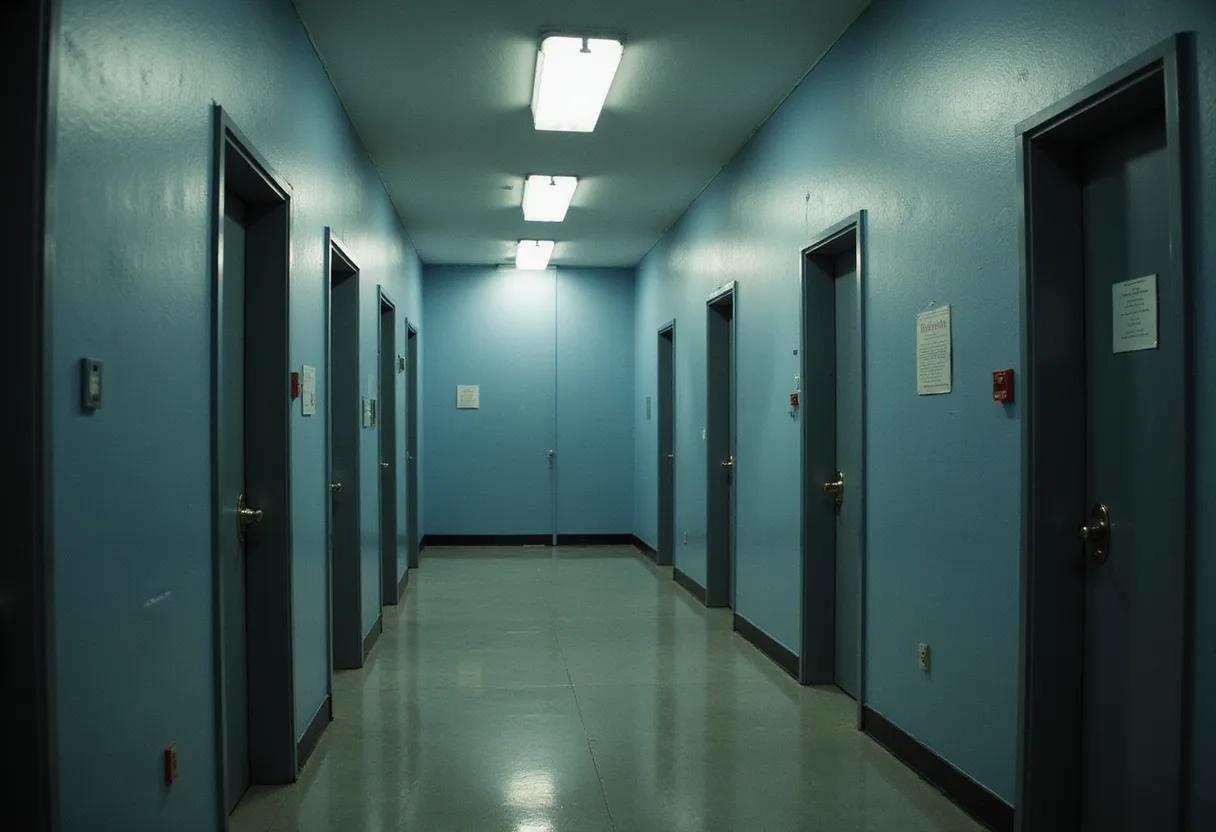
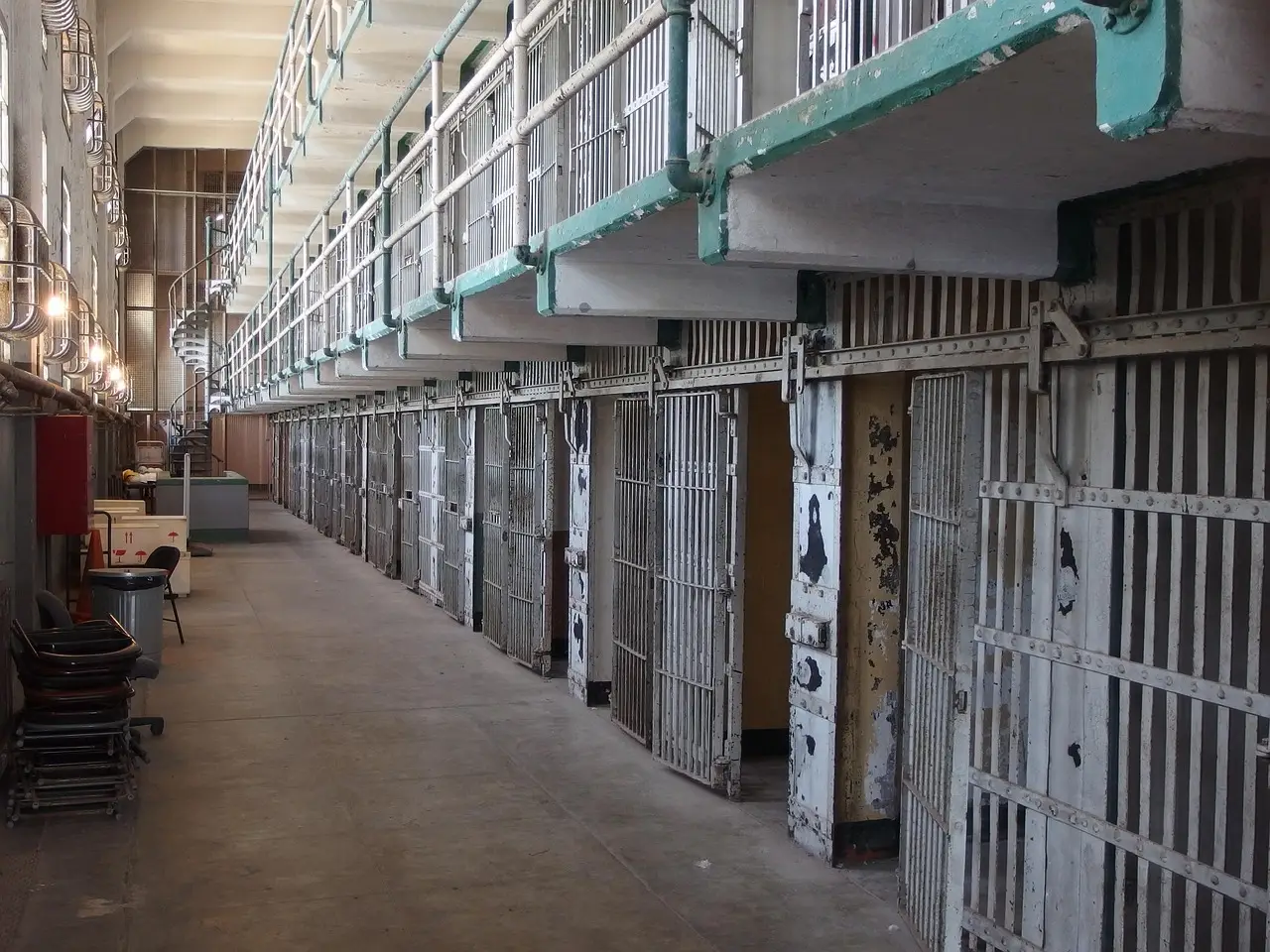
The new version, from executive producers Jane Lipsitz and Dan Cutforth ("Top Chef"), staged its two-week simulation in the decommissioned cell block of an actual working prison. Thirty participants of various racial, geographical and economic backgrounds took part, including three women. Eight served as guards, working two shifts; the other 22 were prisoners.
What safeguards did the show build in?
Unlike 1971, the production layered in protections: background checks and psychological testing for everyone involved; informed consent; medics, psychologists and off-duty guards on call 24/7; and a safe word — "pineapple" — for any participant who needed to leave or speak to a therapist or producer. Producers conducted regular interviews with participants throughout.
Three experts also observed the proceedings: Alison Wood Brooks, a behavioral scientist who teaches at Harvard Business School; Trymaine Lee, a Pulitzer Prize-winning journalist; and Michael Cantrell, a former federal corrections officer.
Five people still bowed out. The first was Larry Foy, a former convict nicknamed "Scary Larry," who was severely triggered by being in a prison environment again and demanded removal.
"Nobody thought it would affect him in the way that it did, but we knew he could make the decision for himself and relieve himself of the experiment if it became too much, which he in fact did," Lipsitz told Variety. "I think he was surprised by how much it affected him."
The experiment nearly unraveled on day six — the same day the original collapsed. Two prisoners, Pete and Brandon, were placed in "23 and 1" for conspiring against the guards, meaning 23 hours locked in their cell and one hour outside it for showering and recreation. Brandon nearly quit, but stayed after an emotional phone call with his mother.
"We thought it would end on the same day that the original experiment did," Lipsitz admitted. She said the predicament raises a question for audiences: "Do you see them as ridiculous pains in the ass or antiheroes?"
How did role reversal change the power?
Producers introduced four phases: Transformation, Hierarchy, Role-Reversal and Self-Governance. During Role-Reversal, the most punished inmates — Pete and Brandon among them — became guards, while the most power-obsessed guards became inmates. Those included Chet Hudson, an oil rigger from Mississippi who had put Pete and Brandon in "23 and 1," and Chris Lee, a 41-year-old startup CEO with a more kumbaya approach.
Chet, uncomfortable with powerlessness, quit after a day. Meanwhile, inmates who had grown fed up with Pete and Brandon's mischief began crowding the pair and came perilously close to attacking them. Three female guards from the other shift intervened. They were led by Laura Berens, a CEO and entrepreneur, who emerged as the finest leader of the experiment with firm-but-fair methods.
"As a woman running the show, it was important to reflect the female experience as well and look at that in terms of power dynamics," Lipsitz said. "I think that Laura really emerged as the strongest leader of the whole series when they'd ended their shift and checked on them to see how it was going to go. It was almost motherly concern. They did not want a prison riot."
What does the ending change?
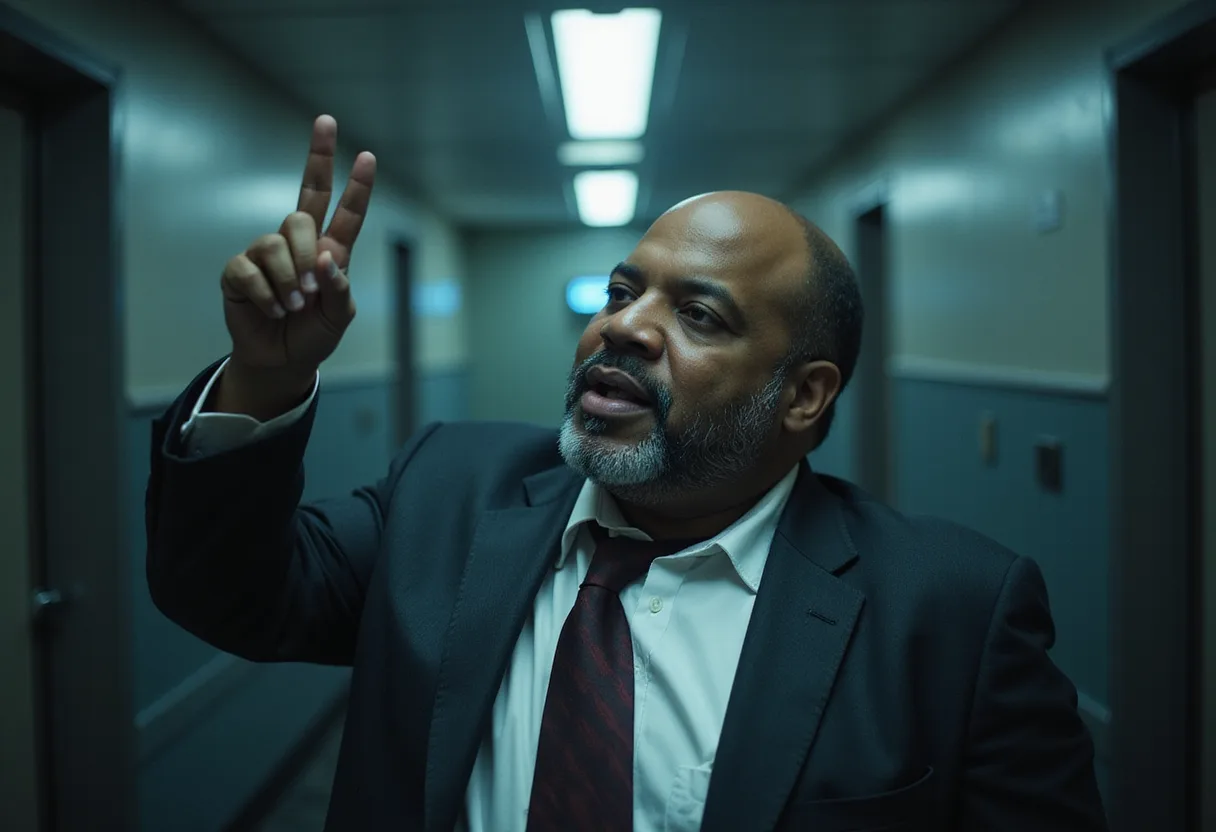
During the final Self-Governance phase, the rules were thrown out and the prisoners could do as they pleased. Some inmates demanded to stay and finish the experiment, including Lee. But the Black comedian Mike Paramore convinced him it would be far more powerful if all the prisoners walked out arm-in-arm, suggesting an image of racial unity. That is what they did, ending the experiment on the thirteenth day.
"We felt it was really powerful and did not see that coming at all," Lipsitz said.
"I would hesitate to come to any conclusions about race and gender, but I think it holds up a mirror to a lot of those issues and is very revealing," Cutforth remarked. "It's something me and Jane are particularly proud of and felt privileged to be able to make the show."
Lipsitz also noted the bonding among the men, held together with no phones, alcohol or women. "These men from all different backgrounds really bonded in an amazing way," she said. "There were conversations in there where you could hear that they'd learned from each other and were fascinated by other people's POVs — people they would have never come across in society except for here. It seemed like a very positive experience for them, and for the women as well."
Will there be a second season?
Both producers hope so.
"I would love to have the opportunity to do it again, for sure," Cutforth said. "That prison setting is an incredible petri dish, and I would love to see more things play out there."
"Obviously, we couldn't do it the same way," Lipsitz said. "I think it would be interesting to do it with women and ask some different questions or frame it differently. But we're really proud of it and hope people watch, debate and think about what it means in modern society. That's the most you can ask for."
Source: Variety Film
More from Marcus Bennett
Show full bio
Staff writer covering people, launches and day-to-day practice in arts in the broadest sense at Arts & Voices.
731 articles