Netflix Unveils Tense First Trailer for 'The New Stanford Prison Experiment'
Netflix's six-part unscripted series 'The New Stanford Prison Experiment' premieres Oct. 21, sending 30 participants into a real prison to test whether power corrupts.
Programme
- "The New Stanford Prison Experiment" premieres on Netflix on Oct. 21.
- The first season consists of six 45-minute episodes produced by Alfred Street Industries.
- The original 1971 experiment, led by Philip Zimbardo, was cut short after guards began abusing prisoners, leading to stricter human-subject research rules.
Netflix has released the first trailer for its unscripted series "The New Stanford Prison Experiment." The show premieres Oct. 21 and runs six 45-minute episodes.
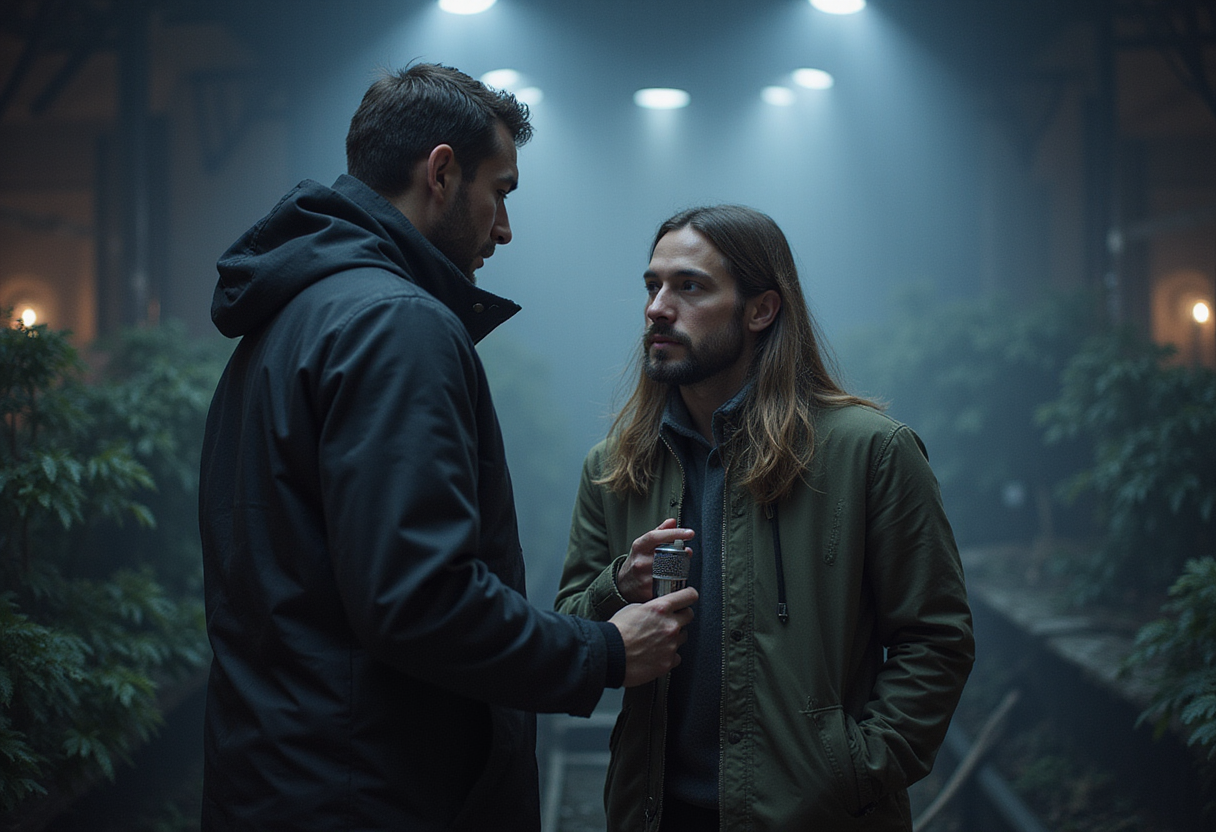
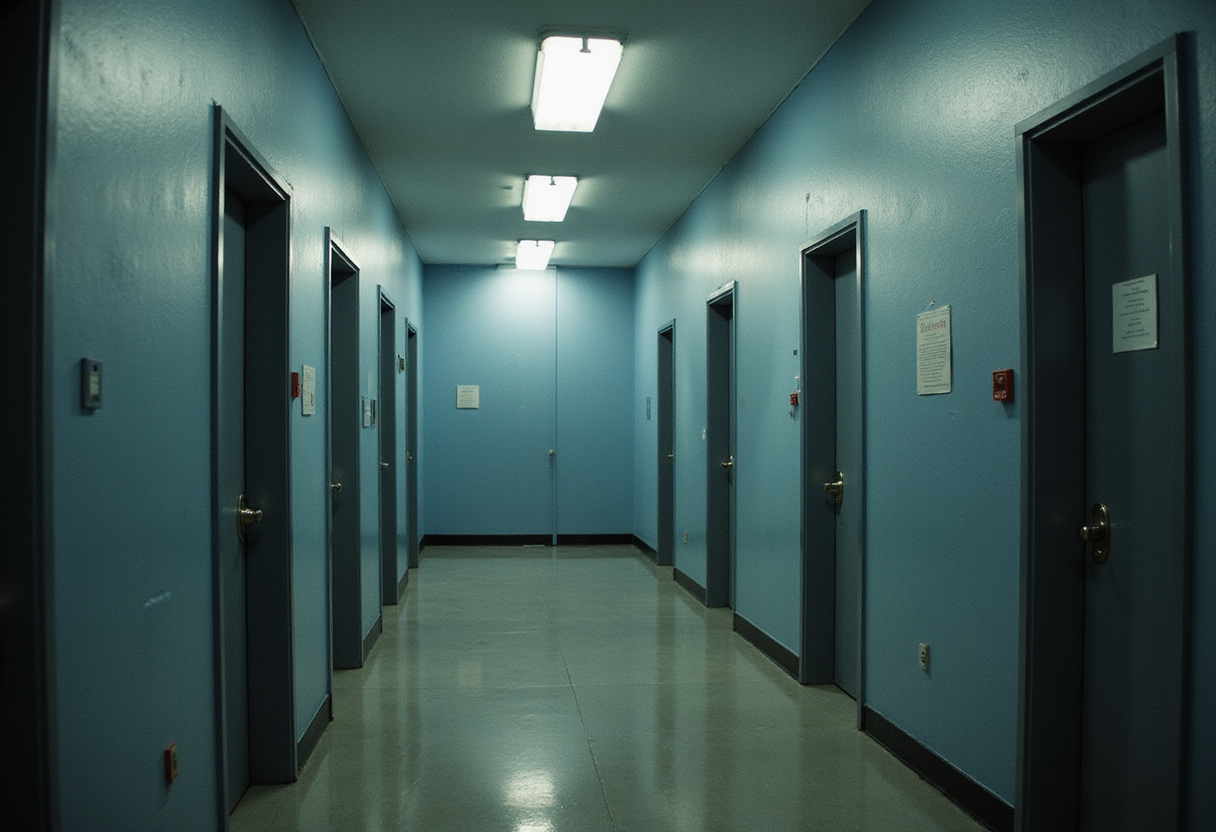
The trailer shows participants — assigned roles as both guards and inmates — arriving at a real prison facility to begin the experiment. As they settle into their new roles, the power dynamics shift and tension builds.
Netflix's official description lays out the premise: "Thirty willing participants enter a real prison and are randomly assigned as guards or prisoners. Thrust into a system of power, hierarchy, and control, they'll discover whether ordinary people inevitably conform to the roles they're given—or whether empathy, morality, and individuality can withstand the forces pushing them in the opposite direction. As the pressure builds and the balance of power begins to shift, the central question feels more urgent than ever: Does power corrupt?"
Alfred Street Industries produces the series. Jane Lipsitz, Dan Cutforth, Nan Strait, Dan Volpe, Jeff Grogan and Mike Odair serve as executive producers.
The series revives one of the most notorious episodes in the history of psychology. The original Stanford Prison Experiment took place on the Stanford campus in 1971, led by psychology professor Philip Zimbardo. Researchers planned the study to run two weeks. They ended it after less than one week, after participants assigned as guards began abusing those assigned as prisoners, and other ethical concerns surfaced.
That experiment, along with others from the same period, prompted the adoption of stricter rules designed to prevent harm to human participants — a legacy that will shadow Netflix's recreation as viewers weigh whether the new series can ask Zimbardo's question without repeating his ethical failures.
Source: Variety Film
More from Tom Whitfield
Show full bio
Market editor covering industry trends and analytics at Arts & Voices.
217 articles