Netflix Sets Global Nov. 28 Premiere for Malaysian War Drama 'The Ghost and the Gun'
Netflix will stream 'The Ghost and the Gun' worldwide from Nov. 28. The Bahasa Malaysia war drama, set in 1948 Malaya, unites cast and crew from seven countries.

Programme
- Netflix launches 'The Ghost and Gun' ('Peluru Senja') worldwide on Nov. 28, 2025.
- The film is set in 1948 Malaya, in the aftermath of the British withdrawal after World War II.
- Director Anshul Tiwari shot the film at Viking Sunset Studios in Bali, using 14 sets built to recreate 1940s Malaya.
- Cast and crew came from seven countries: Malaysia, Indonesia, Singapore, India, Japan, the U.K. and the U.S.
- Fabian Loo, Asmara Abigail, Hazman Al-Idrus and Brett Tutor head the ensemble.
By Marcus Bennett
Netflix will stream "The Ghost and the Gun" ("Peluru Senja"), a Bahasa Malaysia-language war drama set in Malaya after World War II, worldwide on Nov. 28. The date follows a nationwide cinema release in Malaysia and a smaller theatrical run in Indonesia.
The film is the third feature from Anshul Tiwari, an India-born filmmaker based in Singapore who previously directed "Before Life After Death" and "Bayaar." Abhi Kumar wrote the screenplay.
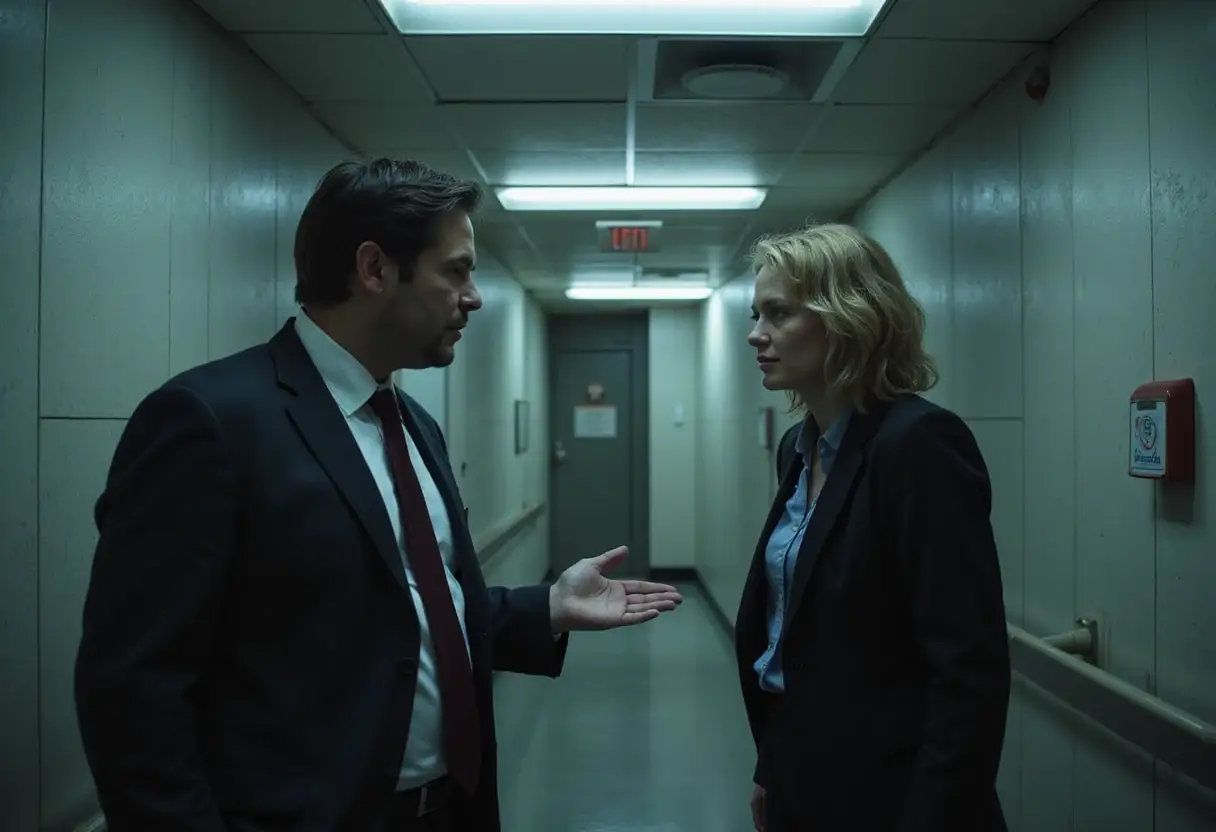
The story unfolds in 1948. British forces pull out of Malaya. Two soldiers are left behind, one Malay and one British. The pair must come to terms with their wartime pasts while defending a village targeted by armed rebels.
Why the Malayan Emergency, and why now?
Tiwari framed the project as a corrective to a crowded field of Western war narratives. "While movies have explored World War II from every Western angle, the human cost paid across Malaya and Singapore remains largely unseen," Tiwari said. "I was drawn to this story because the volatility of the Malayan Emergency feels painfully urgent today: the timeless tragedy of ordinary people caught in the crossfire of empires fighting for power."
Malaysian actor Fabian Loo, an award winner known for "Rain Town" and "One Cent Thief," heads the ensemble. He is joined by Hazman Al-Idrus, Asmara Abigail ("Impetigore," "Stone Turtle") and American actor Brett Tutor ("Monsters of Man").
Abigail, who plays a character named Siti, spoke in Pahang dialect for the role. "Siti carries the weight of a whole region's history in a very quiet way, and playing her in the Pahang dialect pushed me somewhere new," Abigail said. "I'm proud that such a Southeast Asian story can now reach audiences everywhere."
How seven countries built one film
The producers designed the project as an international collaboration from day one. Shooting took place at Viking Sunset Studios in Bali, where crews built 14 sets to stand in for 1940s Malaya. The cinematographer came from India. A Malaysian team in Kuala Lumpur handled all of the film's sound and color work. A British composer wrote the score. Cast and crew members hailed from Malaysia, Indonesia, Singapore, India, Japan, the U.K. and the U.S.
"Bringing seven countries together on one production was never the easy route, but it was the right one," said producer Debasmita Dasgupta of FilmsPositive. "Every department brought something of their own film culture to create a deeply rooted Southeast Asian story. What you see on screen is the result of seamless cross-border collaboration, proof that authentic regional stories have the power to command a global stage."
Fellow producer Mikail Chowdhury of LDNO said films like this one rarely get made. "A Malay soldier in 1948 Malaya isn't the story a traditional studio would back, but it's one which audiences in this region have been waiting to see on screen and should be told," Chowdhury said. "Independent film is where these stories survive and it is a privilege to have been part of it."
Who backed the production?
Dasgupta and Chowdhury produce alongside Tim Willrich of Limbo Pictures and Bo H. Holmgreen, CEO of Viking Sunset Studios. Jessie White of Misfit Studios serves as executive producer with Mohsen Ashraf of Friendly Felix Studios, Tanveer Ali, Amreen Bashir of Amra Bangladeshi and Tahmid Khan of Auras.
White said Misfit enjoys supporting people who take creative chances on stories they believe in. "We're proud to have helped make this film happen, and excited for audiences to discover it on Netflix," White said.
What does the Nov. 28 launch change for Southeast Asian cinema? It gives an independently financed Malayan-language period drama the same global distribution window that studio titles receive, and it gives Netflix's international audience direct access to a chapter of postwar history that mainstream film has largely skipped.
Source: Variety Film
More from Marcus Bennett
Show full bio
Staff writer covering people, launches and day-to-day practice in arts in the broadest sense at Arts & Voices.
1,369 articles