Neumes Above the Words: The Case That Beowulf Was Sung
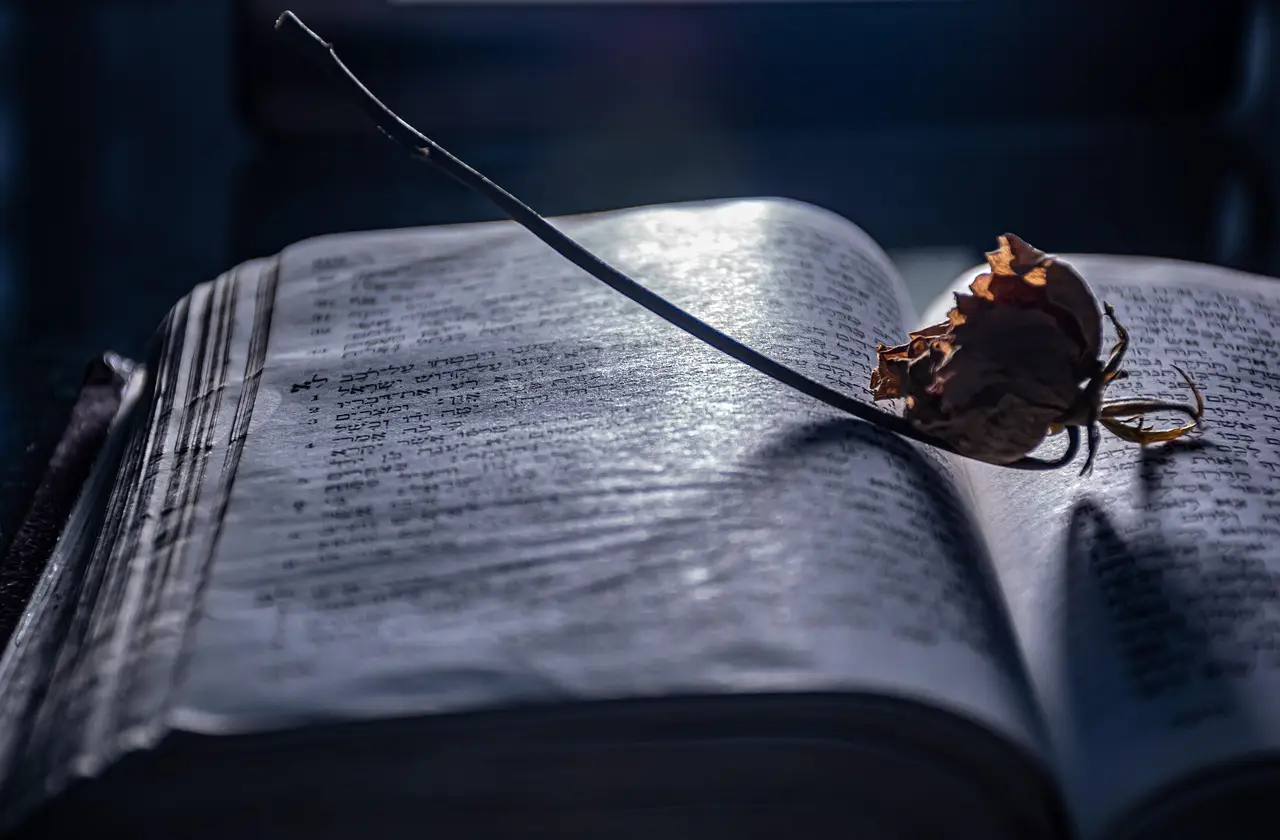
Neumes above three passages in the Munich Heliand suggest alliterative verse like Beowulf was sung, Graeme Lawson argues in Sound Tracks (Knopf, 2026).
Programme
- The Munich Heliand, held at the Bavarian State Library, carries neume-like musical symbols above three passages — unique in alliterative verse.
- Heliand is an anonymous Old Saxon poem composed in the early ninth century; the surviving Beowulf dates to around the end of the ninth century.
- Heighted neumes were developed at St. Gallen, Benevento and Metz from the late eighth century.
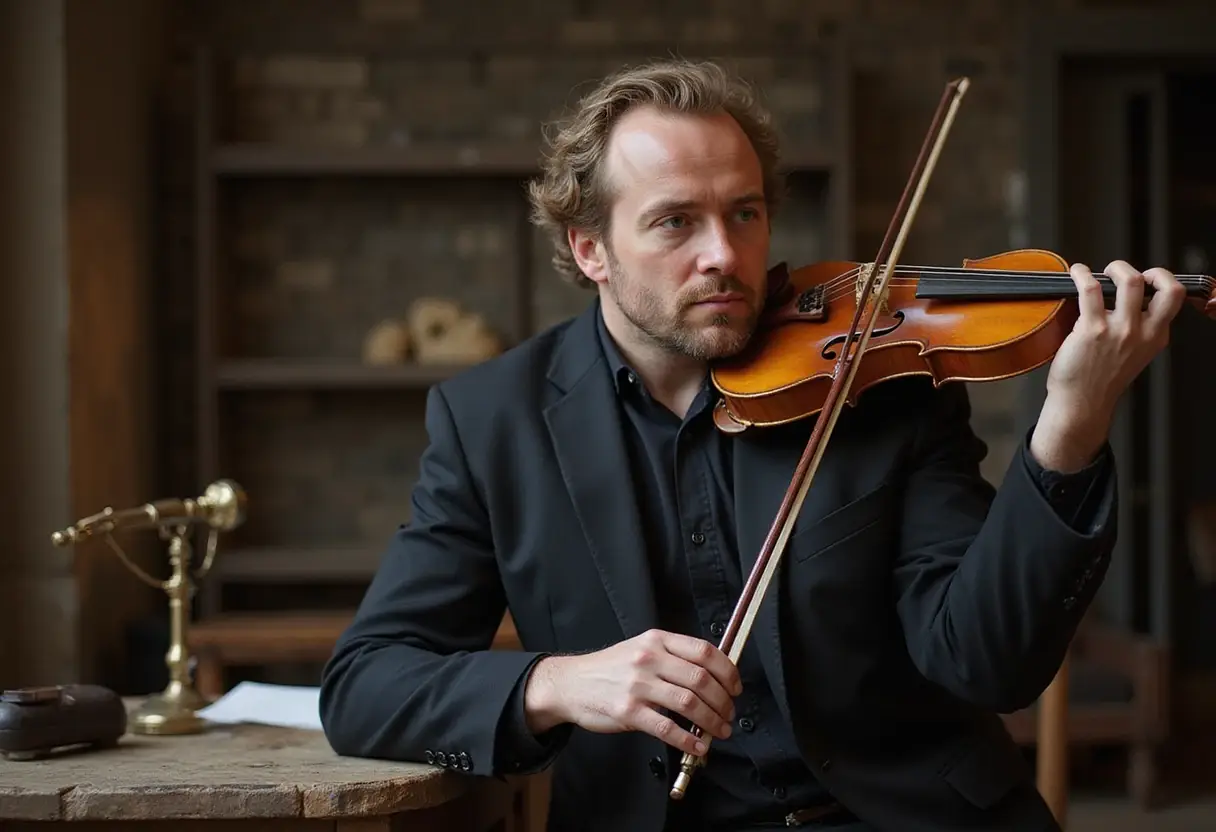
- Benjamin Bagby performs Beowulf sung to the lyre.
- The text is excerpted from Sound Tracks by Graeme Lawson, published 2026 by Alfred A. Knopf.
The Munich manuscript of the Heliand, held at the Bavarian State Library, carries symbols above three short passages that resemble an early form of musical notation — a feature unparalleled in the entire repertoire of alliterative verse. That detail anchors an argument advanced by archaeologist Graeu00e2Graeme Lawson in Sound Tracks: An Archaeological Journey Through Our Musical Past (Alfred A. Knopf, 2026): early medieval poetry in Europe may routinely have been sung, not merely recited.
The extract traces the shift from oral transmission to writing. Around ten centuries ago, scribes began annotating verses with undulating lines and dots — left-to-right motion marking musical time, up-and-down strokes tracing the rise and fall of melody. Lawson calls these "the first experiments in the analog representation of sound signals in real time."
What do the neumes actually tell us?
The Munich Heliand — an anonymous Old Saxon retelling of the story of Jesus, composed in the early ninth century — shares its alliterative style and kennings with Beowulf, whose surviving version dates to around the end of the ninth century. "Teeming with alliteration and assonance, and overflowing with cryptic references and metaphors," Lawson writes, "the two poems are like two peas from the same pod."
The three annotated passages precede the Nativity: two concern the threat to Mary's life under Jewish law and custom; the third describes Mary and Joseph's arrival in Bethlehem. Why these sections were singled out, Lawson concedes, "is a mystery" — more dramatic moments elsewhere went unmarked.
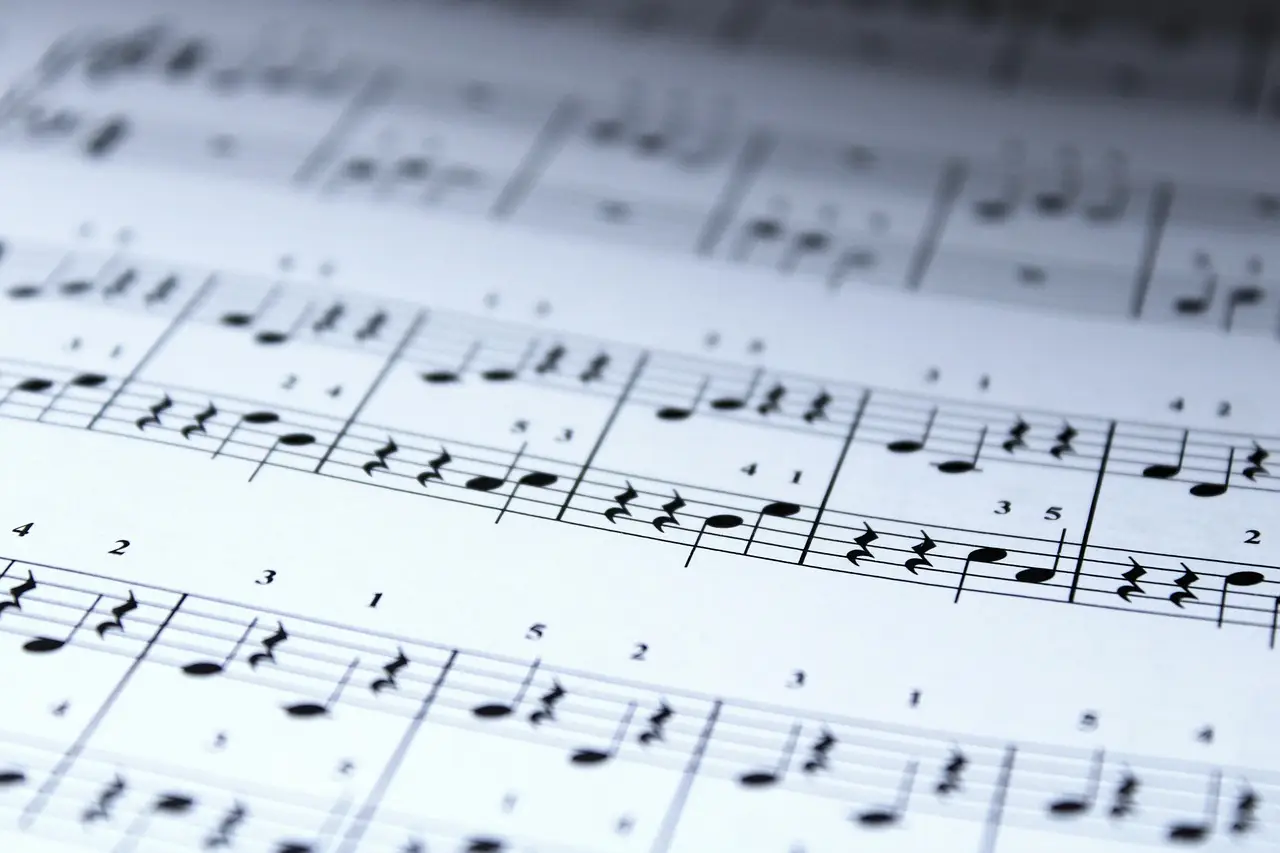
The symbols are neumes, part of a system that led eventually to modern staff notation. From the late eighth century onward, monastic writers at St. Gallen in Switzerland, Benevento in southern Italy and Metz in northern France developed increasingly precise "heighted" neumes, driven largely by the church's need to standardise chant across Christendom. The same notation was later applied to secular material, including the goliard poems of the Carmina Burana and the Cambridge Songs. In each collection only a selection of poems carries notation — possibly, Lawson speculates, because the others were too familiar to need it.
The Munich neumes, however, remain shorthand: some resemble ticks, some an inverted U, others the letters v and p. We cannot yet decipher them. Even so, Lawson argues, "they make it clear that one writer at least considered that early vernacular literature could have a musical dimension. It could be sung."
What does this change for performance?
The poems themselves corroborate the claim. Beowulf places a stringed instrument — the hearpe or harpa, likely a lyre — in the hands of the scu00f3p performing in the feasting hall. The Old English verb describing the delivery is singan, to sing. "Heliand and the evidence of Beowulf hold a clear message," Lawson writes, "that just because we recognize a text to be poetic doesn't mean there wasn't more going on beneath the surface."
One performer already works on that assumption. The American singer Benjamin Bagby sings Beowulf to the lyre before live audiences; Lawson reports "no practical objection" to adapting alliterative verse to lyre or regular meter, and calls the synthesis "amazing." A tenth-century account of St. Dunstan of Canterbury, describing angels in a ring dance "exactly as young women do," opens a further possibility: if these poems were sung to a beat, they may also have been danced to.
Until the Munich neumes are deciphered, the sung Beowulf remains a hypothesis with unusually good handwriting.
Original: bookshop.org
More from Tom Whitfield
Show full bio
Market editor covering people, launches and day-to-day practice in arts in the broadest sense at Arts & Voices.
822 articles