New Chamber Ballet Brings Topology to the Studio in Last Light
Miro Magloire's New Chamber Ballet premieres Last Light, an hour-long work scored by Wang Lu and built on floor patterns borrowed from topology, on November 20 in Brooklyn.
Programme
- Last Light premieres November 20 at Mark Morris Dance Center, Brooklyn.
- Miro Magloire has created over 150 ballets since founding New Chamber Ballet in 2004.
- Wang Lu composed the score; Doori Na (violin) and Sophiko Simsive (piano) play it live.
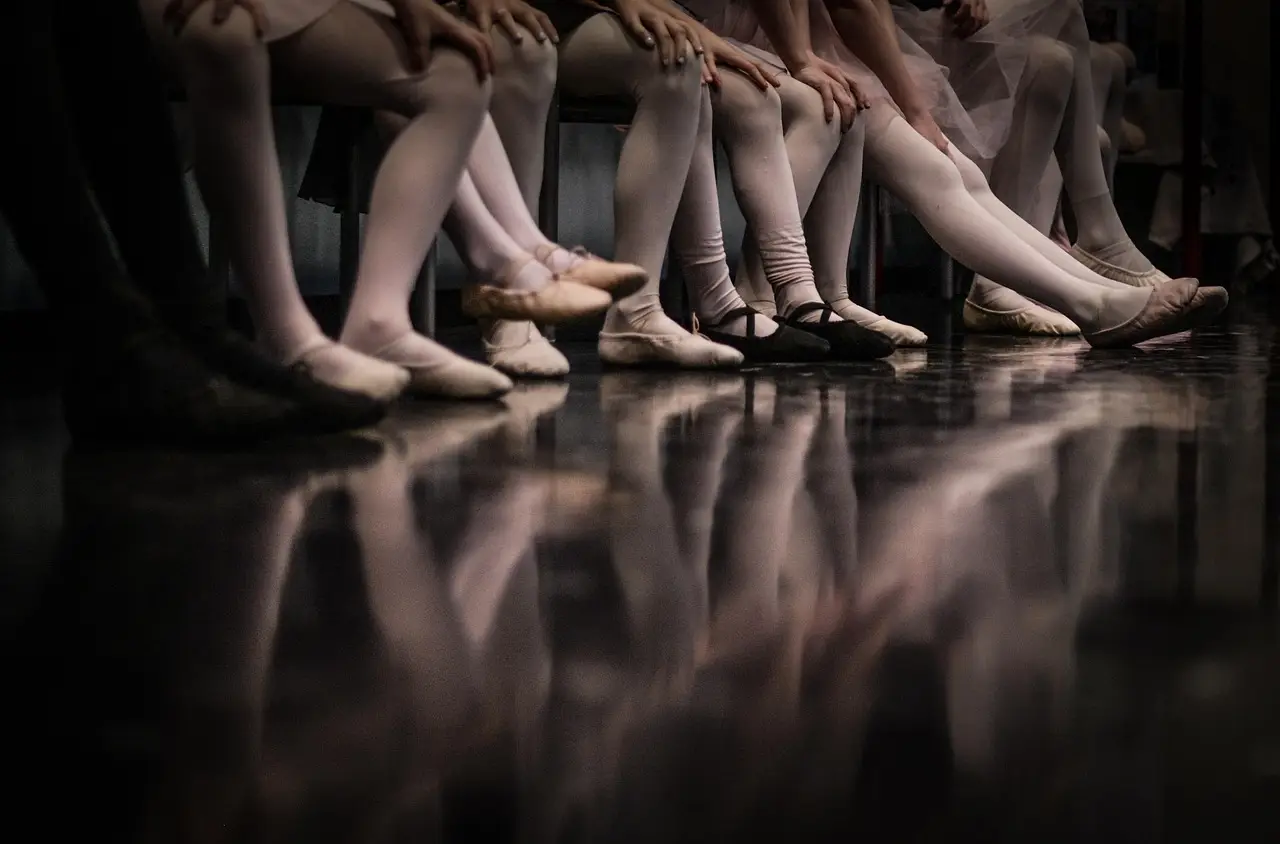
- The company comprises six female dancers performing in the round.
- Magloire consulted a Princeton topologist while developing the work's floor patterns.
New Chamber Ballet premieres Last Light, a near hour-long work with live music, on November 20 at the Mark Morris Dance Center in Brooklyn. Artistic director Miro Magloire has made more than 150 ballets for the company since founding it in 2004, and this one draws on conversations with a topologist at Princeton.
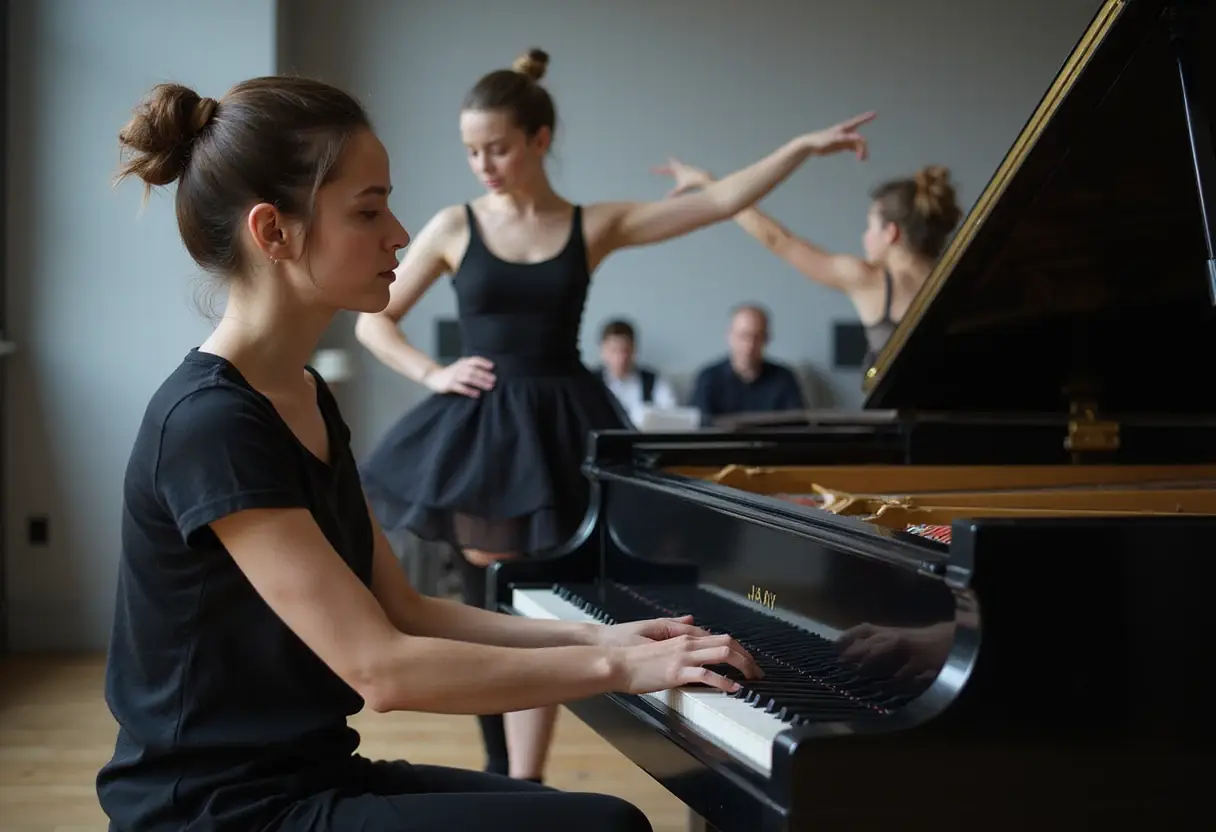
The piece, set to abstract music by pianist-composer Wang Lu, will be performed live by violinist Doori Na and pianist Sophiko Simsive. The company numbers six female dancers. Rehearsals began in September.
What does a topologist have to do with choreography?
Plenty, if the choreographer is Magloire. Two weeks before the premiere, he told Pointe the ballet was on the verge of revealing itself. "I've talked to a friend at Princeton who is a topologist," he said. "I've gotten very interested in complicated floor patterns."
One question led to another: How do patterns read in the round versus on a proscenium stage? What does a pattern look like from a different seat in the room? "In ballet, you have a phrase that's self-contained, almost a narrative unit," Magloire said. "What if that were also a basic unit to describe the passing of time?" His original training as a pianist and composer may explain the mathematical cast of mind.
He describes the work, in his words, as "the love child of calculus and Trisha Brown."
How did a pocket company last two decades in New York?
Not by plan, Magloire insists. "I didn't start with the intention of having a company," he says. "I just started to choreograph, and asked two or three dancers who were free." In a dance market as saturated as New York's, NCB has survived more than twenty years by working with a stable group of women — and so making works for women.
The company's signature format also emerged by accident. Magloire says it all happened organically. New York City Center rearranged the studio NCB worked in, making proscenium-style performance impractical, so he got creative and began staging long-form dances in the round, audiences surrounding the dancers. Live music arrived the same way: a pianist friend played for a show, and Magloire realized instantly it was too good to give up.
The all-women, all-pointe partnering that evolved — one dancer curled over another's shoulders, tumbling toward the floor — would be called cutting-edge elsewhere, Pointe notes. At NCB, it is business as usual.
Magloire concedes a caveat of his own: with abstract works like Last Light, audience attention can wane and then return. He does not fight it. That fluctuation, he says, is part of the experience — a claim that November 20 will put to the test.
Original: britannica.com
More from Tom Whitfield
Show full bio
Market editor covering people, launches and day-to-day practice in arts in the broadest sense at Arts & Voices.
1,633 articles