Newark to restore ownership of David Drake jug, then buy it back
Newark has agreed to restore ownership of an 1852 David Drake jug to his heirs, then buy it back after appraisals valued it at around $135,000, extending recent restitution agreements.
Programme
- The Newark Museum of Art acquired the David Drake jug in 2022.
- The large brown ceramic jug is dated 1852 and valued at around $135,000.
- Museum of Fine Arts, Boston returned two major stoneware vessels in an historic agreement.
- Newark’s American art galleries were reimagined and reinstalled in 2023 as Seeing America: 18th and 19th Century.
- The 25-Gallon Poem Jar (1858) fetched $1.65m at Crocker Farm Auctions in Maryland in 2021.
Marcus Bennett
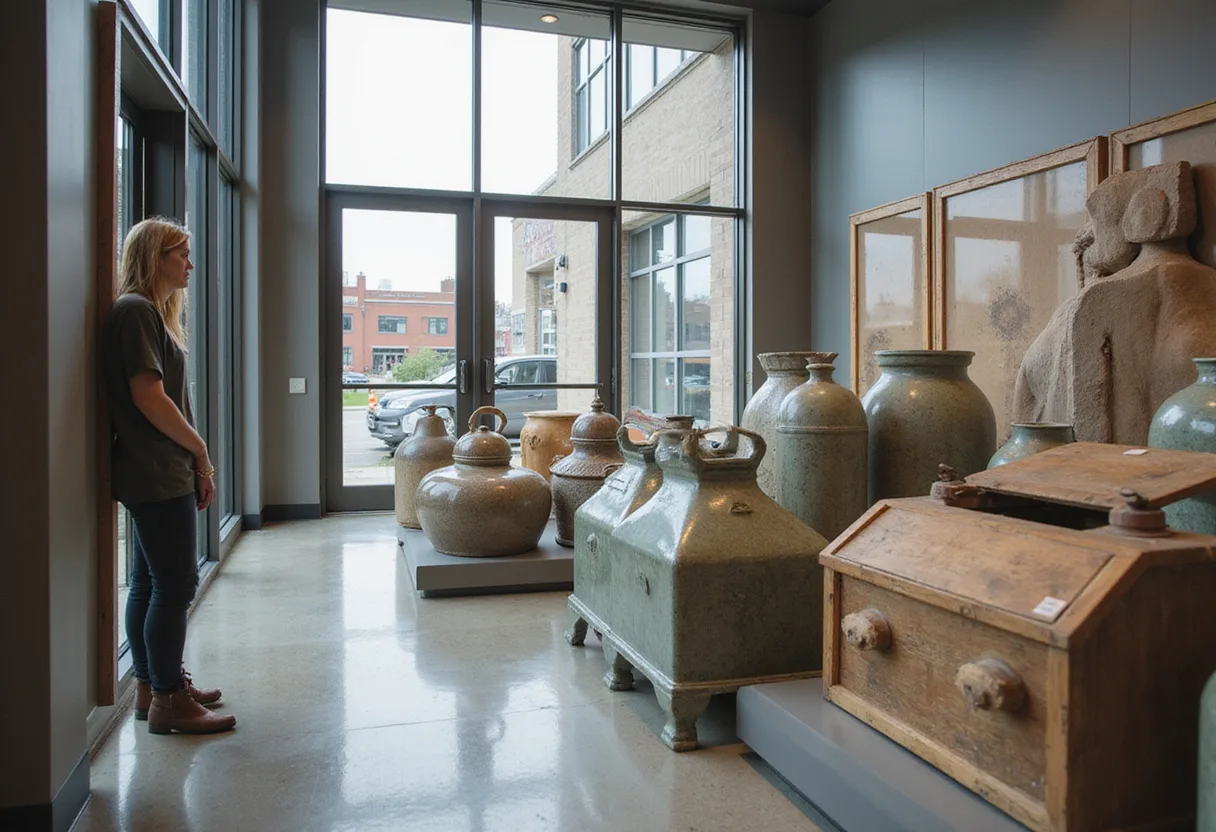
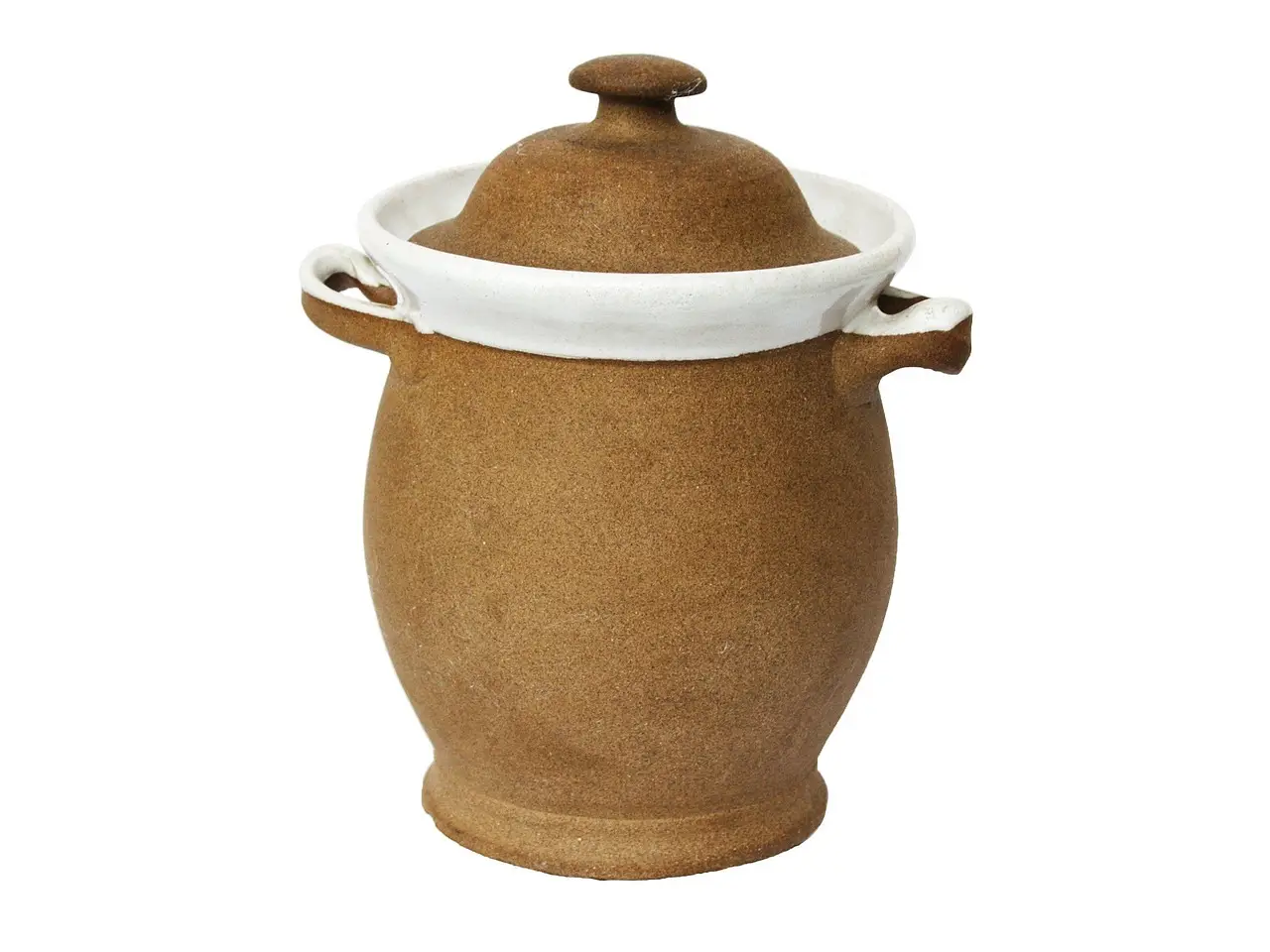
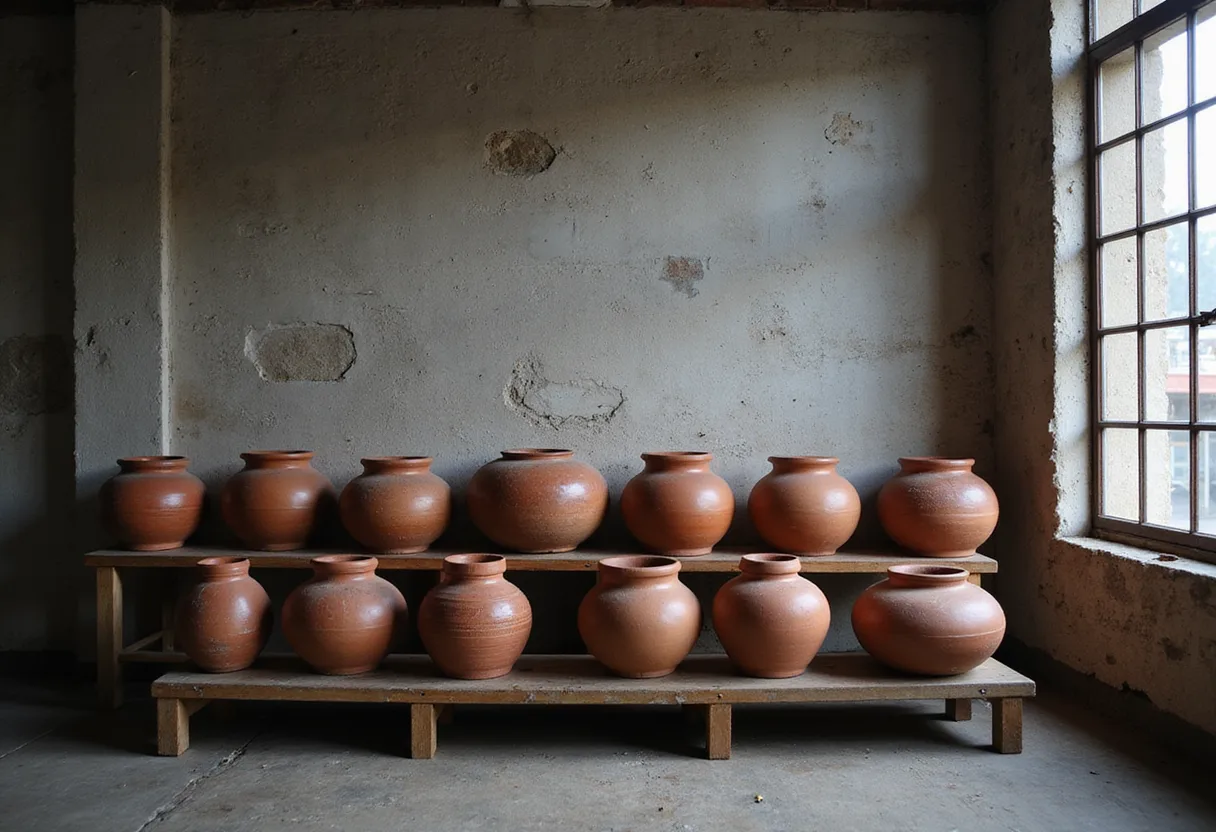
The Newark Museum of Art has agreed to restore ownership of an 1852 David Drake jug to his heirs and buy it back. Several museum-commissioned appraisals valued the large brown ceramic vessel at around $135,000.
The New Jersey museum began talks with the family of David Drake (around 1801-74), an enslaved potter from South Carolina, during the previous summer. The process took only a few months to reach the agreement, according to The Art Newspaper.
Just over a year earlier, the Museum of Fine Arts, Boston reached what The Art Newspaper called an historic agreement with Drake’s family. The agreement covered the return of two major stoneware vessels, one of which the museum bought back.
The Art Newspaper also reported return agreements with the Telfair Museums in Savannah; the Georgia Museum of Art in Athens, Georgia; the Virginia Museum of Fine Art; and other institutions.
George Fatheree, an adviser to the Drake family, said: “What happened this July was really special.”
In a letter shared with The Art Newspaper, Newark wrote:
“We acquired a jug by your ancestor in 2022 to help us more powerfully teach the history of enslavement and enslaved labour, as part of the 2023 reimagining and reinstallation of our American art galleries, Seeing America: 18th and 19th Century.”
The letter cited Newark’s partnership with Boston and invited the family to meet and “identify ways we might collaborate”.
What does the agreement change for Drake’s heirs?
Under the arrangement, ownership passes to the descendants before Newark reacquires the jug. It also keeps the vessel in the museum’s permanent collection. The terms do not force a choice between restoring ownership and continued museum care.
Fatheree said: “Our approach is this should not be a zero-sum game.” He described the outcome in Newark as a “win-win”.
Amber Germano, the museum’s senior director of registration and collections management, first approached Lisa Funderburke over the summer. Germano asked the director and chief executive to sign a letter. Funderburke credited her staff with the initial action.
Funderburke said: “It’s not uncommon for curators to visit my office with a stack of papers of things that are either for consideration or ongoing engagement on articles of repatriation.” She added: “Always my first question is: ‘Can you articulate to me what we’re doing here and what the impulse behind that is?’”
Additional family meetings followed. Funderburke also spoke with board members and other museum leaders. She said: “I felt like this would be a strong north star for our board about where we are and where we want to be, and position ourselves as a museum into the future.”
Yaba Baker, one of Drake’s great-grandsons, said: “Lisa understood immediately what needed to be done.” He added: “One thing my family all agreed on: Dave is such a powerful figure in art history and Black history that to take the pots out of public view would be a disservice.”
The Art Newspaper reported that numerous Drake pots have sold for five- and six-figure prices. The current auction record for one of his works is $1.65m, paid for the 25-Gallon Poem Jar (1858) at Crocker Farm Auctions in Maryland in 2021.
Baker said: “He was a slave. He was considered three fifths of a person by the US constitution.” He noted that anti-literacy laws in South Carolina at the time forbade teaching enslaved people to write.
Baker tied the family’s claim to Drake’s conduct: “For our family, it’s telling the story of someone who was considered by a lot of people to be nothing, but he conducted himself with such excellence.”
Baker then quoted a famous inscription Drake wrote on another vessel. It begins, “I wonder where is all my relation”, and concludes, “Friendship to all.”
Newark’s next task is concrete: retain the jug in its permanent collection while recognizing that its purchase depends on the heirs’ prior ownership. Baker has made public access central to the family’s claim. The purchase is settled; curatorial decisions will determine whether the arrangement also meets that standard.
Source: theartnewspaper.com
More from Marcus Bennett
Show full bio
Staff writer covering people, launches and day-to-day practice in arts in the broadest sense at Arts & Voices.
1,327 articles