Nicole R. Fleetwood's Memoir Traces Faith, Funk and Family History
Fleetwood's memoir 'Between the River and the Railroad Tracks' traces her grandmother Barbara Jean Troutman, church music in Hamilton, Ohio, and the shared roots of funk and Pentecostal hymns.
Programme
- Nicole R. Fleetwood's memoir 'Between the River and the Railroad Tracks' is published by Little, Brown in 2026.
- Her grandmother, born Bobby Jean Troutman on November 26, 1929, directed music at Mount Ebal United Holy Church in Hamilton, Ohio, for over fifty years.
- Great-grandmother Edna Matthews, born around 1905 in Wetumpka, Alabama, migrated to Ohio by 1920.
- In 1898, four Black men were lynched together outside Wetumpka, Alabama.
- Funk and Pentecostal music share roots in the Second Ward churches of 1970s Hamilton, the memoir argues.
By Grace Kim
For more than fifty years, Nicole R. Fleetwood's grandmother directed the music at Mount Ebal United Holy Church in Hamilton, Ohio. Fleetwood tells that story in her new book, Between the River and the Railroad Tracks: A Memoir, published by Little, Brown and Company, an imprint of Hachette Book Group, in 2026.
The published excerpt opens in a childhood kitchen. Young Nicole waits for her grandmother, Barbara Jean Fleetwood, to wake, watching for the kettle, the toilet, the oven door. The grandmother memorizes Bible verses, sings a minstrel song from her own childhood — "Turkey in the Straw" — and greets the birds she calls "Bob and Joe" in the backyard willow and apple trees. "Nik-'em-Hick-'em-Slick-'em Ball," she sings in greeting. "Do you want toast?"
"I wanted to understand my grandmother's spiritual devotion and how she found peace and calm in the chaos of our lives," Fleetwood writes.
Who was Barbara Jean Fleetwood?
She was born Bobby Jean Troutman on November 26, 1929, in Hamilton, Ohio, and disliked the name all her life. As a young adult she changed it to Barbara Jean. She worked as a cleaning woman, like her mother before her, in the houses of white people — but music was her true calling. She played piano and organ by ear and could accompany a singer after hearing a few lines.
Her mother, Edna Matthews, was born around 1905 on a farm in Wetumpka, Alabama. That history shapes the book. Wetumpka had a population of a little over five hundred in 1900, in rural Elmore County, and had drawn national news coverage for lynchings. In 1898, four Black men — Solomon Jackson, Lewis Spier, Jessie Thompson and Camp Reese — were lynched together outside the town. Two years later, in nearby Eclectic, Winfield Townsend was burned at the stake after his nephew was hanged in the Wetumpka jail.
Edna followed her older siblings north to Ohio in the late 1910s and early 1920s. In 1920, at fifteen, she lived on Mill Street in Cincinnati's Sixteenth Ward and worked as a factory packer. Ohio brought jobs but also wage discrimination, hostile unions, cramped housing and cross burnings. Edna married Sylvester Troutman in 1926; the family settled on Monument Street in Hamilton, near the police station, the river and the railroad tracks.
What does the church explain about her music?
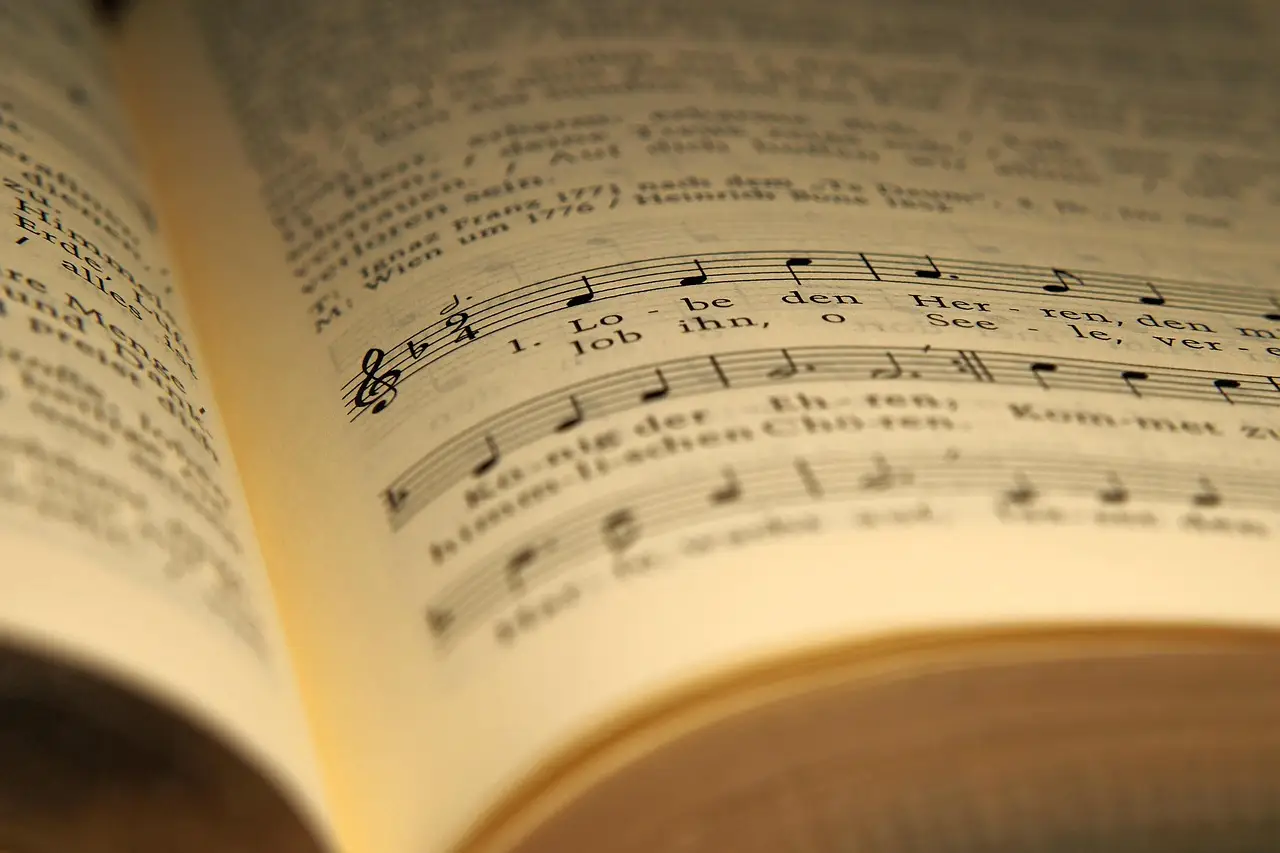
Mount Ebal United Holy Church belonged to the oldest Black Holiness-Pentecostal tradition in the country. As a teenager, Bobby Jean had been the opposite of devout — popular for her dance moves, smoking cigarettes, sneaking out of church to dance at juke joints. At nineteen, at a tent meeting with her sister Louise, she was, in the family's telling, overtaken by the Holy Spirit. An angel told her she would serve God through music and caring for children.
Fleetwood grounds the tradition with a named source: "Pentecostals not only believe in baptism by immersion—where the water covers the entire body—but they also believe in what they call the baptism of the Holy Spirit. You have to be submerged in the spirit, all up in and through it," writes scholar and artist Ashon Crawley, who grew up Pentecostal and wrote a book on the aesthetics of Black Pentecostalism.
The excerpt describes Sunday services in detail — speaking in tongues, spontaneous testimony, and the elder Sister Elissa's public surrender: "Lord, I surrender. I surrender, Lord. Lord, I surrender all." Reverend Berger anointed her with holy oil from a bottle in his hand.
Fleetwood reads her grandmother's organ playing as drama in sound. "Grandma's chord progression on the organ, her banging on keys and stomping on the pump dramatized the relentlessness of this struggle," she writes. "Grandma brought the congregation to a place of serenity; the battle could not be fought by ego alone. It was through surrender."
The setting is precise. The church stood at Front and Hurm Streets, across from housing projects named for Bambo Harris, a free Black man who built the region's first gristmill in 1795. A short block away sat Gabe's Bar, where Grandpa spent his off-work hours. "Grandma would never enter a bar, and Grandpa would rarely enter a church," Fleetwood writes.
How does funk connect to Pentecostal music?
The memoir makes a genealogical claim: the same spiritual battle the church dramatized also produced funk. Grandma's son Sherman and her nephews learned music in the Second Ward's churches, and in the 1970s they turned that training into a secular sound. "Funk music and Pentecostal music share aesthetic and sacred roots: the immersion of flesh to the call of the music," Fleetwood writes.
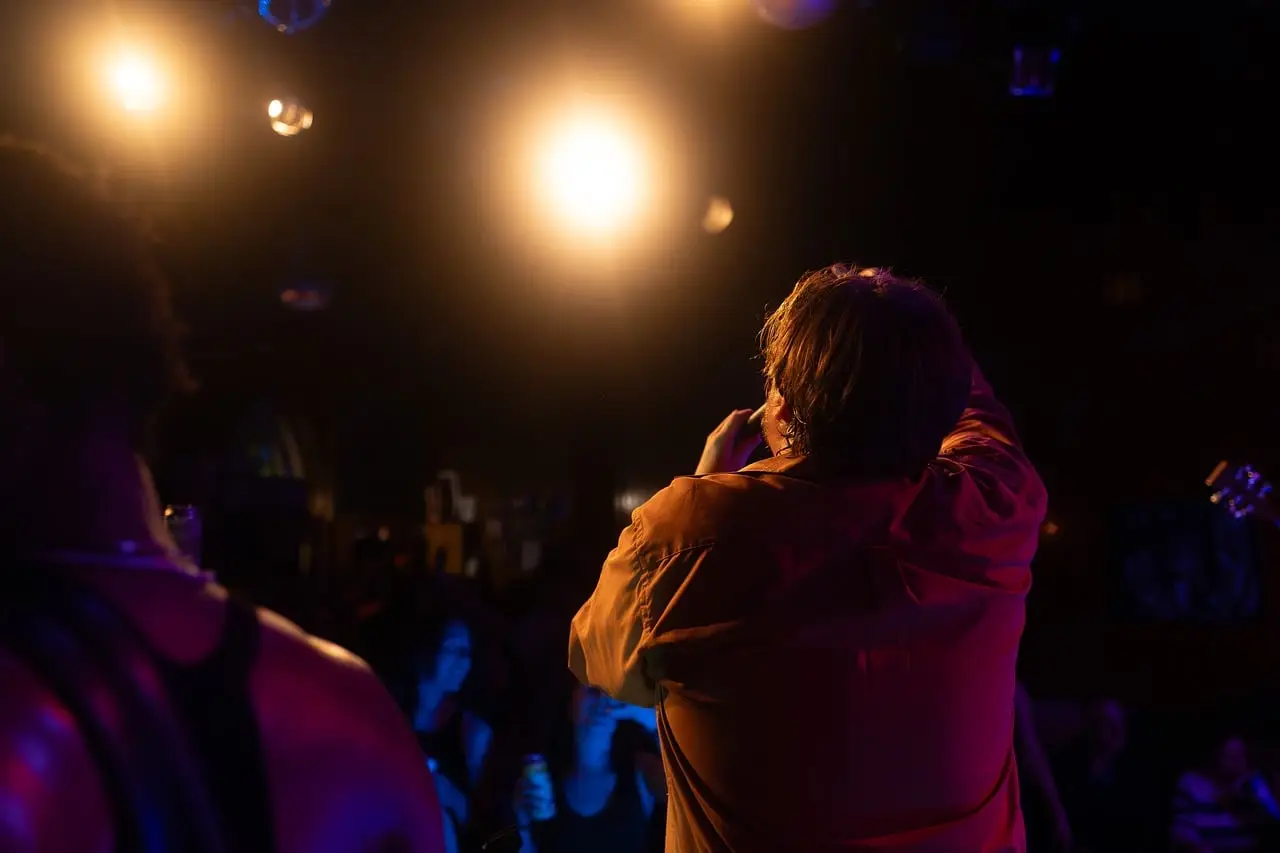
Hamilton in the 1960s and '70s was full of it — bands practicing on every block, live music from churches, bars, homes and parks reverberating through the Second Ward. Mount Ebal, Fleetwood says, made some of the best music in town.
What does the book change for readers? It gives a documented account — names, dates, addresses, lynching records — beneath a personal memory of hymns and kitchen mornings. Fleetwood, the author shows, learned to read slowly and interpretively from her mother and grandmother's Bible practice; the memoir applies that same hermeneutic care to her own family archive. Readers wanting the fuller story of the family's Alabama origins, the Ohio migration and the funk that came out of it will find it in the book itself.
Original: bookshop.org
More from Grace Kim
Show full bio
Correspondent covering technology and product news in arts in the broadest sense at Arts & Voices.
1,554 articles