No Snow in Madrid, a Cannes Clock, and the Ending of 'La Bola Negra'
'La Bola Negra' editor Alberto Gutiérrez had one month before the Cannes deadline and no snow in Madrid. The ending got shot in Granada — and won Best Director.
Programme
- 'La Bola Negra' is based on Federico García Lorca's unfinished 1936 play; Lorca was shot dead by nationalist forces during the Spanish Civil War.
- Filming began in November with a March deadline to submit to Cannes, but the snow-dependent ending scene remained unshot until February, when it snowed in Granada.
- The Cannes premiere drew a 16-minute standing ovation and the film won the Best Director Award for Javier Calvo and Javier Ambrossi (Los Javis).
- Penélope Cruz plays cabaret singer Nené Romero and endorsed the final edit.
- 'La Bola Negra' streams on Netflix from Dec. 2.
Editor Alberto Gutiérrez had one month left before the Cannes submission deadline, and 'La Bola Negra' still didn't have its ending. The film needed snow, and Madrid refused to deliver it.
Directed by Javier Calvo and Javier Ambrossi, the duo known as Los Javis, 'La Bola Negra' is based on an unfinished 1936 play by Spanish playwright Federico García Lorca. Lorca never completed it. Nationalist forces shot him dead after imprisoning him at the start of the Spanish Civil War.
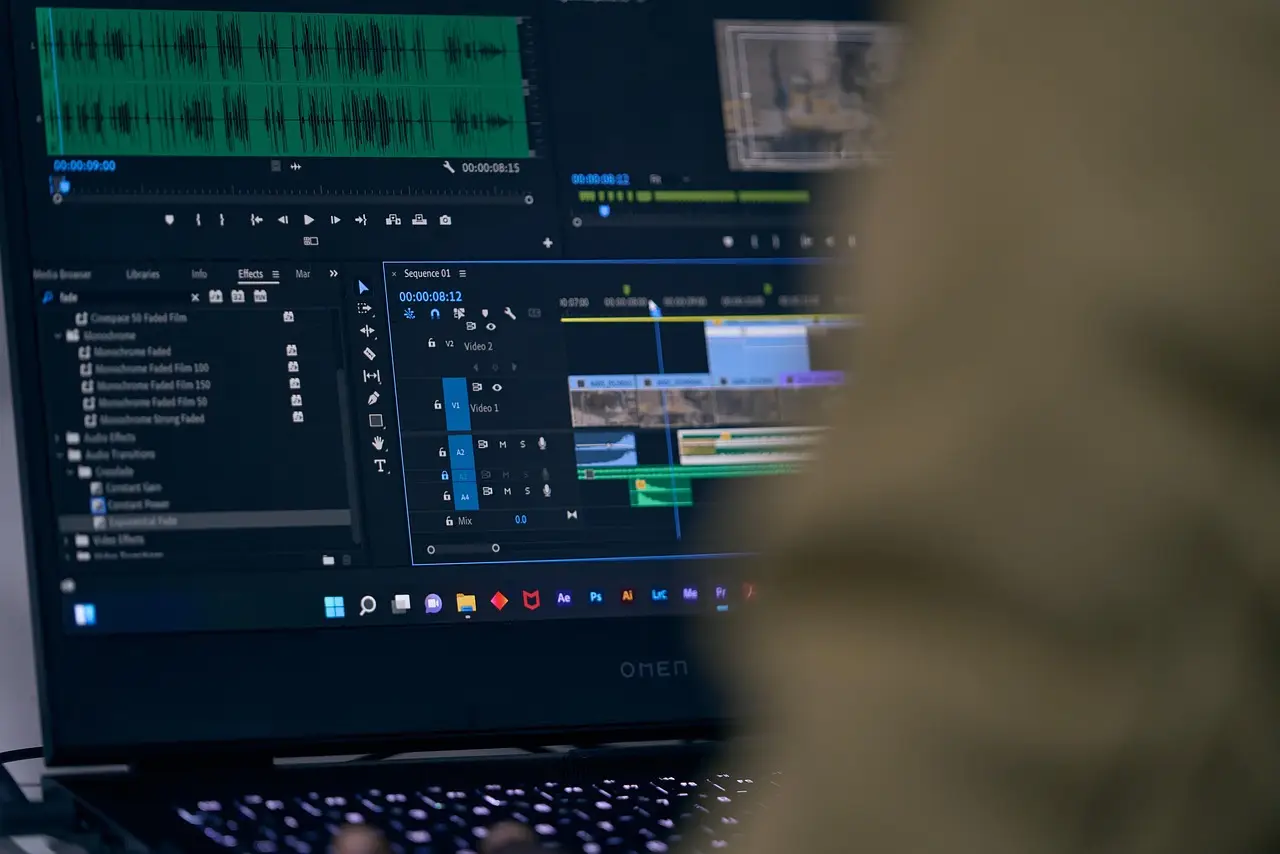
The team began filming in November with the goal of reaching the Cannes Film Festival by a March deadline. Gutiérrez was already editing while the movie's most pivotal scene remained unshot.
Why snow mattered so much
The film moves across three timelines. In one, a young man named Carlos (Milo Quifes) tries to join a casino group in Granada, Spain. Members vote with white balls for acceptance and black balls for rejection. Carlos is rejected because he is gay.
When he returns to the casino to plead his case, he denies being gay. He then wakes up covered in snow. In Lorca's poetry, snow signals death — Carlos hears his grieving mother and asks for a second chance after realizing he has died. The snow works as a metaphor for the cycle of life.
That's why the filmmakers refused to fake it. Snow was integral to Lorca's plays.
The problem was meteorological. They hoped for snow in Madrid in December. Nothing. "We went into January thinking it would snow," Gutiérrez says. Still nothing.
Then it snowed — in Granada, in southern Spain. The crew decided to travel there and shoot the ending. "But it was February and we had one month before the Cannes deadline," Gutiérrez says.
What does a missing ending do to post-production?
It blocks everything downstream. "We couldn't do screenings of the movie because we couldn't get people to see two hours of a movie and then tell them to watch the ending in theaters," Gutiérrez explains.
So the team shut out outside input and worked around the clock. "We said, 'We have to trust each other and our instincts because if we start listening to everybody's opinion on the film, we won't make it to Cannes,'" he recalls.
One outsider they did trust was Penélope Cruz, who plays cabaret singer Nené Romero in the film. Gutiérrez was feeling the weight of the material. "I had this huge responsibility because the script was so good, and I had to be as good as the rest of the film," he says.
He was crying in the next room while Cruz watched the cut. Ambrossi knocked on his door and introduced her. "She asked me, 'Oh, but why are you crying?' I said, 'I'm not sure about the movie. I'm not sure if this is the best editing.' She told me to stop crying because it was perfect," Gutiérrez recalls.
With Cruz's endorsement, they submitted the film. Cannes accepted it. "We had two weeks to make changes, and I remember even then we were not sure about it," he says.
A 16-minute verdict
At the premiere in the Lumiere Theater, Tilda Swinton sat directly in front of Gutiérrez. "I was watching the movie through the eyes of Tilda Swinton for two and a half hours. And I thought, 'OK, this is the movie. This is what we've made,'" he says, laughing.
The film received a 16-minute standing ovation and the Best Director Award. "We decided there that this was the final edit of the movie," Gutiérrez says. "I think it's good because maybe if we had continued editing, we wouldn't have this special movie that we have now."
The gamble froze the film at its best moment. 'La Bola Negra' now plays in theaters and streams on Netflix from Dec. 2.
Source: Variety Film
More from Grace Kim
Show full bio
Correspondent covering technology and product news in arts in the broadest sense at Arts & Voices.
1,372 articles