North Carolina Musician Gets 18 Months for AI Song Streaming Fraud
Mike Smith, 44-free of prior cases, is the first person federally charged with music streaming fraud after bots streamed AI songs for millions in royalties.
Programme
- Mike Smith sentenced to 18 months in prison plus two years supervised release.
- Smith ran bot streams from 2017 to 2024 and forfeited $8 million in proceeds.
- First person to face federal charges for music streaming fraud.
- Prosecutors sought at least 46 months; the charge carried a five-year maximum.
- In 2025, musicians accused Spotify of ignoring artificial streaming, citing billions of possible fake Drake streams.
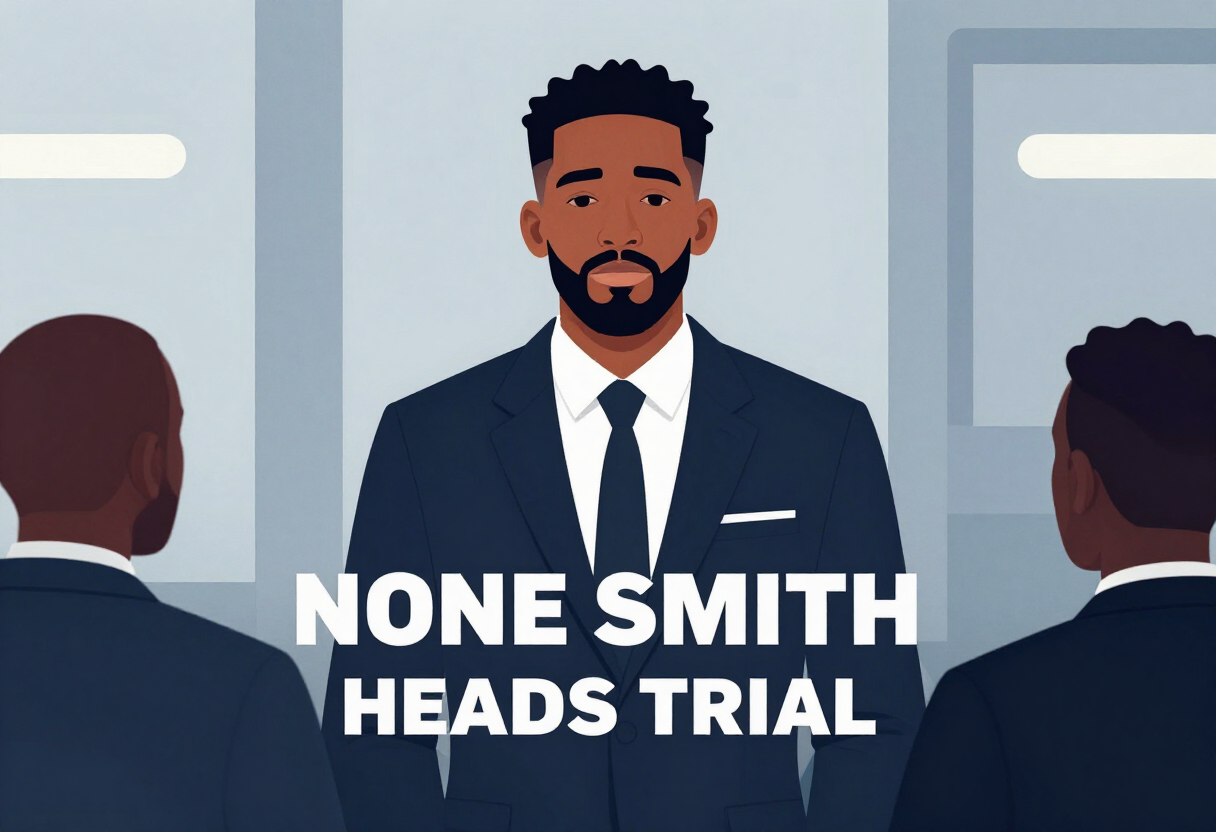
A North Carolina musician has been sentenced to 18 months in prison for collecting millions in royalties from bot streams of AI-generated songs, Rolling Stone reports. Mike Smith is the first person to face federal charges for music streaming fraud.
From 2017 to 2024, Smith used thousands of bots to stream his own music alongside AI-generated songs he purchased and uploaded. He later pled guilty to conspiracy to commit wire fraud, a charge carrying a maximum prison sentence of five years.
What did the sentence include?
The 18-month prison term came with additional penalties and concessions:
- Smith agreed to forfeit $8 million in streaming proceeds as part of his plea deal.
- He will undergo two years of supervised release after prison.
- His lawyers had argued for probation; federal prosecutors pushed for at least 46 months.
U.S. Attorney Jamie McDonald did not mince words in a press release. "By flooding music streaming platforms with automated bots in the place of consumers, and fake songs in the place of creativity, Smith robbed millions in royalty payments from genuine artists and their fans," McDonald said.
McDonald added: "This Office is committed to ensuring the integrity of all markets, and protecting the public from those who use super intelligence for fraud."
Why does streaming fraud matter to artists?
The case lands amid long-running frustration among smaller artists over how digital service providers pay royalties. Spotify and Apple Music both use a pro-rata model, paying artists based on their share of total streams each month. Under that system, fraudulent streams siphon money from the shared royalty pool.
The scale of the problem has drawn public attention before. In 2025, a group of musicians accused Spotify of turning a blind eye to artificial streaming after an analysis suggested Drake might have benefitted from billions of fake streams.
What does the precedent set?
Smith's conviction establishes a federal template for prosecuting streaming fraud, a practice that until now had cost platforms and artists money without criminal consequences for its operators. With AI-generated music now cheap to produce at scale and bot networks easy to deploy, the sentence signals that royalty manipulation can carry prison time rather than just civil penalties — a threshold the industry's smaller artists have demanded for years.
Original: justice.gov
More from Marcus Bennett
Show full bio
Staff writer covering industry trends and analytics at Arts & Voices.
358 articles