Opera Singer Andrew Potter Retires at His Peak: "Not Something You Can Sustain a Family With"
Baritone Andrew Potter retired at 43 after singing at the Metropolitan Opera, saying mid-tier singers cannot sustain a family: "I can't afford $12,000" for housing.
Programme
- Baritone Andrew Potter, 43, announced his retirement from opera in an open letter last month after singing at the Metropolitan Opera in December.
- Potter said he could not afford $12,000 in housing for his family during a Metropolitan Opera engagement.
- Kentucky baritone Clark Evans announced his early retirement from opera this year at age 42.
- Voice professor Katherine Phares studied hundreds of opera singers and found they change careers around age 39.
- The U.S. has over 100 opera houses; singers cover their own housing for roughly six weeks of rehearsals plus travel, fees and taxes.
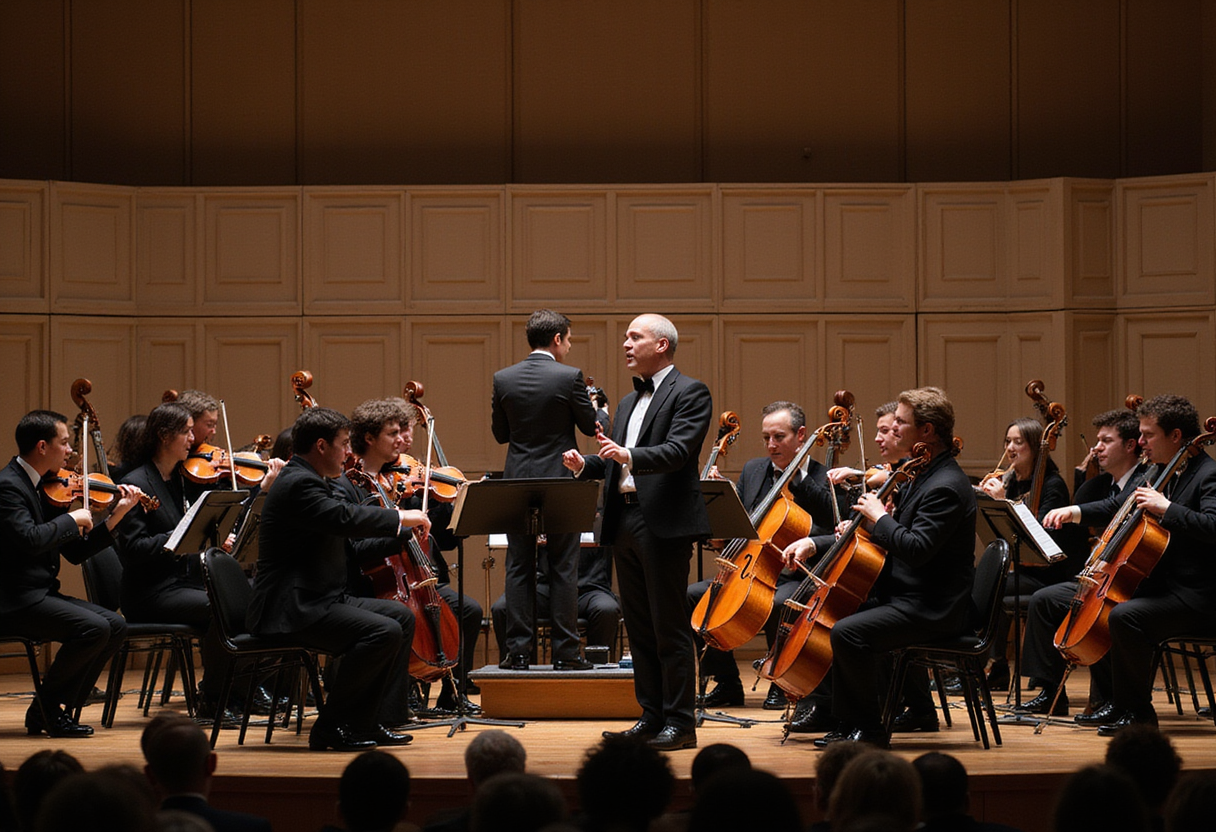
At 43, with his voice at its peak and his income higher than ever, opera singer Andrew Potter announced his retirement from the stage in an open letter to the industry last month. The baritone's reason was not artistic exhaustion. It was arithmetic.
"We just have to start telling the truth, and that is that unless you're in the top 1- or 2% of singers in the world, this is not something that you'll be able to sustain a family with," Potter told NPR's Laura Atkinson in a report for Louisville Public Media.
Potter is good — but just outside that 2%. Last December, he sang in a Metropolitan Opera production. It was there, he said, that the math stopped working. Housing his family with him in New York for the engagement was out of reach.
"I'm looking at what the housing would be for my family to be with me, and I'm going, I can't afford $12,000," Potter said.
What does an opera singer actually pay to work?
The fee an audience sees on stage conceals the ledger behind it. According to the NPR report, singers must cover:
- Their own housing for the roughly six-week rehearsal period before performances begin
- Transportation between engagements
- Managers' fees
- Taxes
- Extra training
All of this goes out before the first paycheck for a gig arrives. "Which takes our bank account pretty much to zero," Potter said. Retirement savings and healthcare, he added, rarely enter the picture.
The road itself adds pressure. The United States has more than 100 opera houses, from the famous companies in New York and Chicago to smaller stages in Omaha, Nebraska, and Springfield, Missouri. Potter described the reality of routing between them: "There were nights sleeping at rest stops on drives across the country because you can't afford a hotel, and, you know, I'm making a thousand-mile drive for a $300 travel stipend."
Why do singers walk away at their vocal peak?
Clark Evans, a 42-year-old baritone from Kentucky, announced his own early retirement from opera this year. The more successful he became, he said, the harder the life was to sustain — a singer on a roll can spend most of the year traveling from state to state, gig to gig.
"I mean, it's like living two lives simultaneously because it changes so much with the kids, you know, growing up," Evans said. "What is it going to be this time when I leave? Is it going to be the same? And it almost never is."
His parting formulation was blunt: "I'm ready to be a better home-husband and home-father instead of being a great road father."
Katherine Phares, a voice professor at Bowling Green State University, studied hundreds of professional opera singers and found they began changing careers around age 39 — midlife, precisely when financial stability matters most.
"Making real money that you can invest," Phares said. "You know, that's when many people feel that the rug is pulled out from underneath them."
Who is really under strain?
Singers rarely stop singing because they tire of making art. The NPR report places the burden on institutions themselves: opera companies face an aging donor base, declining federal support and high ticket prices that discourage audiences from returning — and that squeeze extends to the people making the music.
Potter's open letter suggests the industry will keep losing singers at the top of their form unless the economics of the mid-tier career change. As Atkinson concluded, these pressures catch up with singers around midlife, until, sometimes, it is time to walk away.
Source: NPR Arts
More from Elena Vasquez
Show full bio
Senior reporter covering media and advertising at Arts & Voices.
379 articles