Minnesota Opera Orchestra Musicians Vote Unanimously to Authorize Strike
Minnesota Opera Orchestra musicians voted unanimously to authorize a strike after management proposed a second consecutive four-year contract with no wage increases, two weeks before the season opens Oct. 31.
Programme
- Minnesota Opera Orchestra musicians voted unanimously to authorize a strike.
- Management proposed a second consecutive four-year contract with no wage increases.
- Rehearsals are set to begin in roughly two weeks; season opens Oct. 31.
- Musicians took a pay cut four years ago in exchange for guaranteed salaries and have had no raises since.
- San Francisco Opera, Dayton Philharmonic and Nashville Symphony have all faced recent labor or financial disputes.
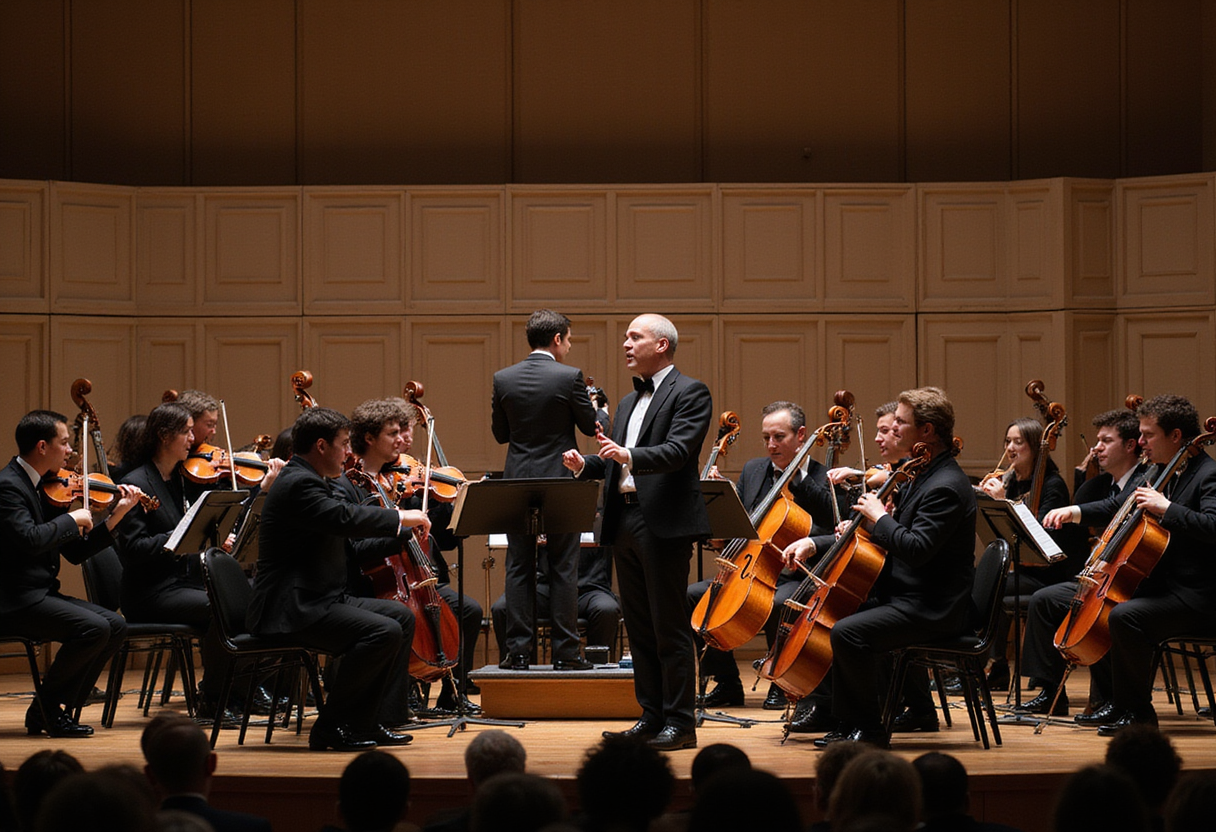
The orchestra musicians of Minnesota Opera voted unanimously on [date] to authorize a strike, two weeks before the company is scheduled to begin rehearsals and on Oct. 31 open its new season.
The vote followed a management proposal for a second consecutive four-year contract with no wage increases, according to the American Federation of Musicians Local 30-73, which represents the musicians.
What triggered the vote?
The union said the musicians accepted a pay cut four years ago in exchange for guaranteed salaries, and have received no raises since. Minnesota Opera's latest offer, the musicians argue, would extend that freeze through the end of the decade.
"We want to see Minnesota Opera grow again — producing more opera for our community and building on the artistic excellence that has defined this company for generations," the musicians said in a statement. "A strong orchestra is essential to that future. We are committed to working this out and beginning the season with a new contract and a renewed commitment to the future of Minnesota Opera."
How has management responded?
Minnesota Opera countered by pointing to what it described as rising production costs and declining financial support for the arts, conditions the company said had forced it to "rebuild audiences and support with constructed resources."
The company did not specify how those constraints would shape its next negotiating move.
Where does this fit in the wider classical-music labor picture?
The Minnesota dispute lands on a national scoreboard already crowded with stalled or recently resolved opera and orchestra contracts:
- San Francisco Opera Orchestra reached a tentative deal with management that ended its strike
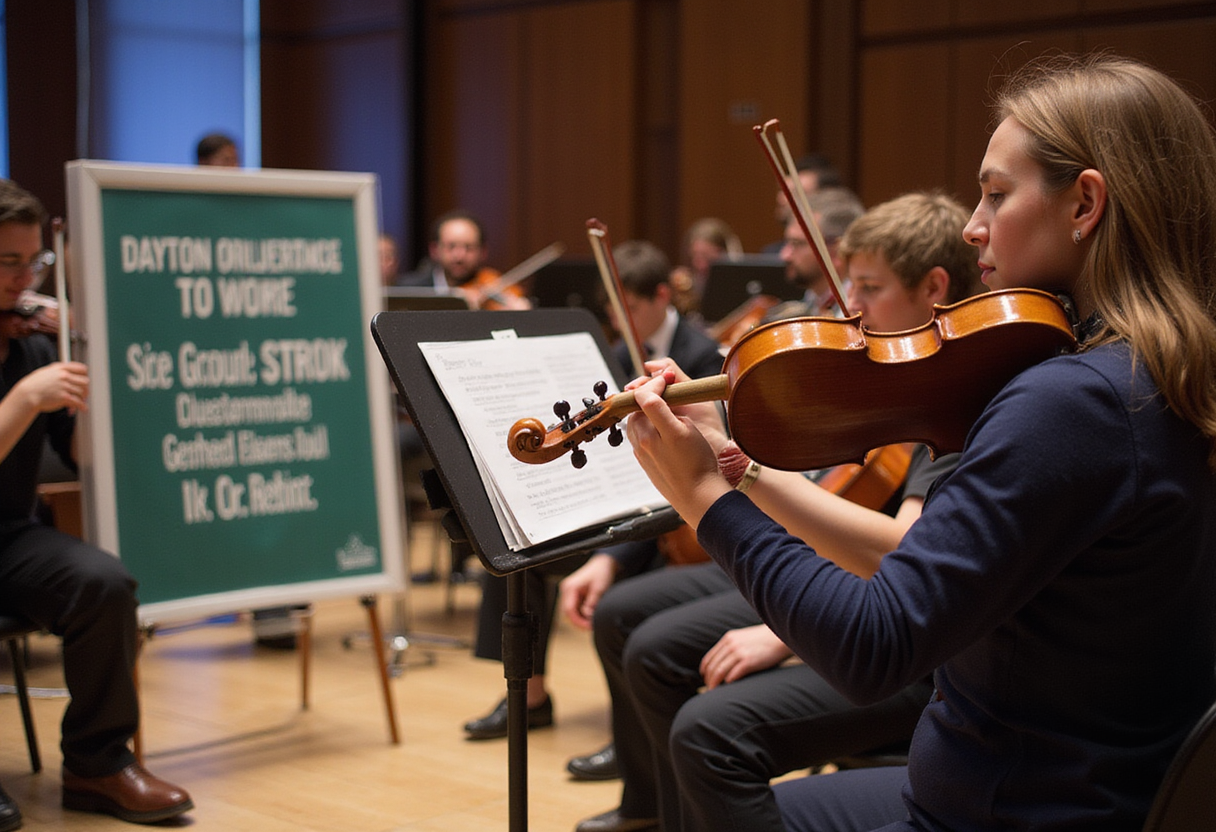
- Dayton Philharmonic Orchestra members voted to authorize a strike
- Nashville Symphony has been negotiating through its own financial pressures
Minnesota's ensemble now joins a stretch of American classical institutions where musicians and boards are publicly testing the limits of post-pandemic budgeting.
What happens next?
No talks have been announced since the strike authorization. With rehearsals due to begin in roughly two weeks and the Oct. 31 opening night already on the calendar, both sides face a narrow window to settle before the first downbeat — or to extend a labor fight into the season's first performances.
Source: Opera Wire
More from Elena Vasquez
Show full bio
Senior reporter covering media and advertising at Arts & Voices.
360 articles