Osborne Green-Lit $6.6M British Museum Sponsorship in 90 Minutes
Emails obtained by Culture Unstained show Osborne approved the Tulchinsky deal 90 minutes after a due diligence report the museum has partly redacted.
Programme
- George Osborne approved the £5 million ($6.6 million) sponsorship less than 90 minutes after receiving a due diligence report in October 2025.
- The deal with Igor Tulchinsky was confirmed by November 24, 2025, according to internal emails obtained by Culture Unstained.
- The museum redacted the section of the due diligence report covering donor concerns before its FOI release.
- Culture minister Ian Murray told Parliament on October 13 the government had not investigated Tulchinsky's Efrat involvement.
- Tulchinsky is honorary chair of the museum's Red Ball fundraiser on Saturday, with Es Devlin as artistic director.
George Osborne personally brokered a reported £5 million ($6.6 million) British Museum sponsorship from billionaire hedge fund manager Igor Tulchinsky — and gave the go-ahead less than 90 minutes after receiving a due diligence report that flagged concerns about the donor.
That's what internal emails obtained by the campaign group Culture Unstained show, in a story first reported by the Art Journal. The catch: nobody outside the museum knows what those concerns were. The institution blacked out that section of the report before releasing it under Britain's Freedom of Information Act.
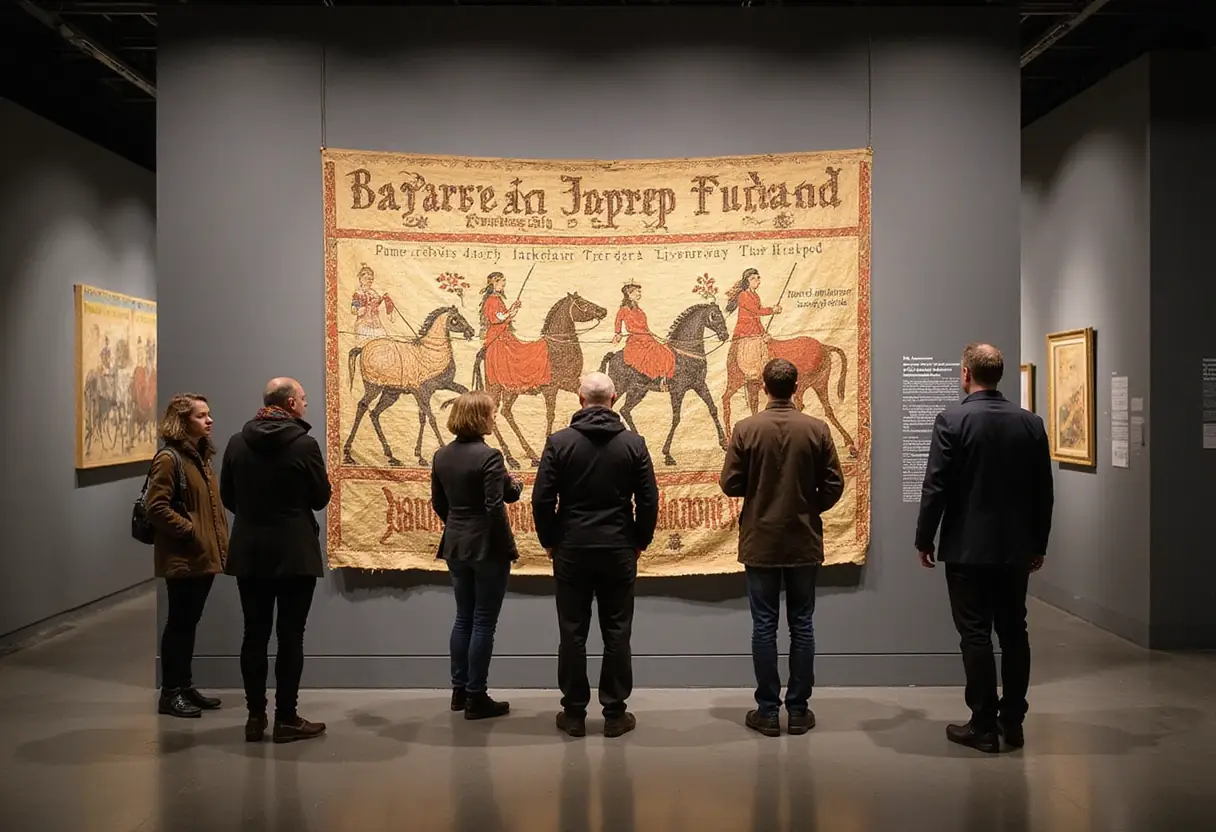
Tulchinsky, founder of the investment firm WorldQuant, is now a major backer of the British Museum's exhibition on the Bayeux Tapestry. He has drawn criticism from left-wing campaigners over reported connections to Israeli military technology companies and alleged financial support for a community center in Efrat, an Israeli settlement in the occupied West Bank. Israeli settlements there are considered illegal under international law, though Israel disputes that position.
How the deal came together
The timeline in the emails is short. In October 2025, Charlotte Appleyard, the museum's director of development, sent Osborne an assessment of the prospective donor and asked whether she could move ahead. Osborne replied within an hour and a half, saying he was "happy to proceed."
By November 24, it was done. Appleyard emailed Osborne to confirm that Tulchinsky had agreed to sponsor the exhibition, and thanked him for making the introduction.
The correspondence proves Osborne's personal role. But according to the Art Journal, the emails don't show whether the museum's other trustees were told about the due diligence findings. Nor do they establish that the museum broke any of its own rules in accepting the money.
What does this change for the museum?
For now, nothing formal. On October 13, culture minister Ian Murray told Parliament that the government had not investigated reports of Tulchinsky's involvement with the Efrat project. He said responsibility for accepting donations rests with the museum's trustees, who are expected to follow the institution's sponsorship policies.
The political pressure, though, is now documented in Osborne's own words. Culture Unstained argues the case exposes a structural problem: the same person who brings in the money also oversees the institution. "The Museum's approach to ethical sponsorship needs a complete overhaul," a spokesperson for the group told the Art Journal.
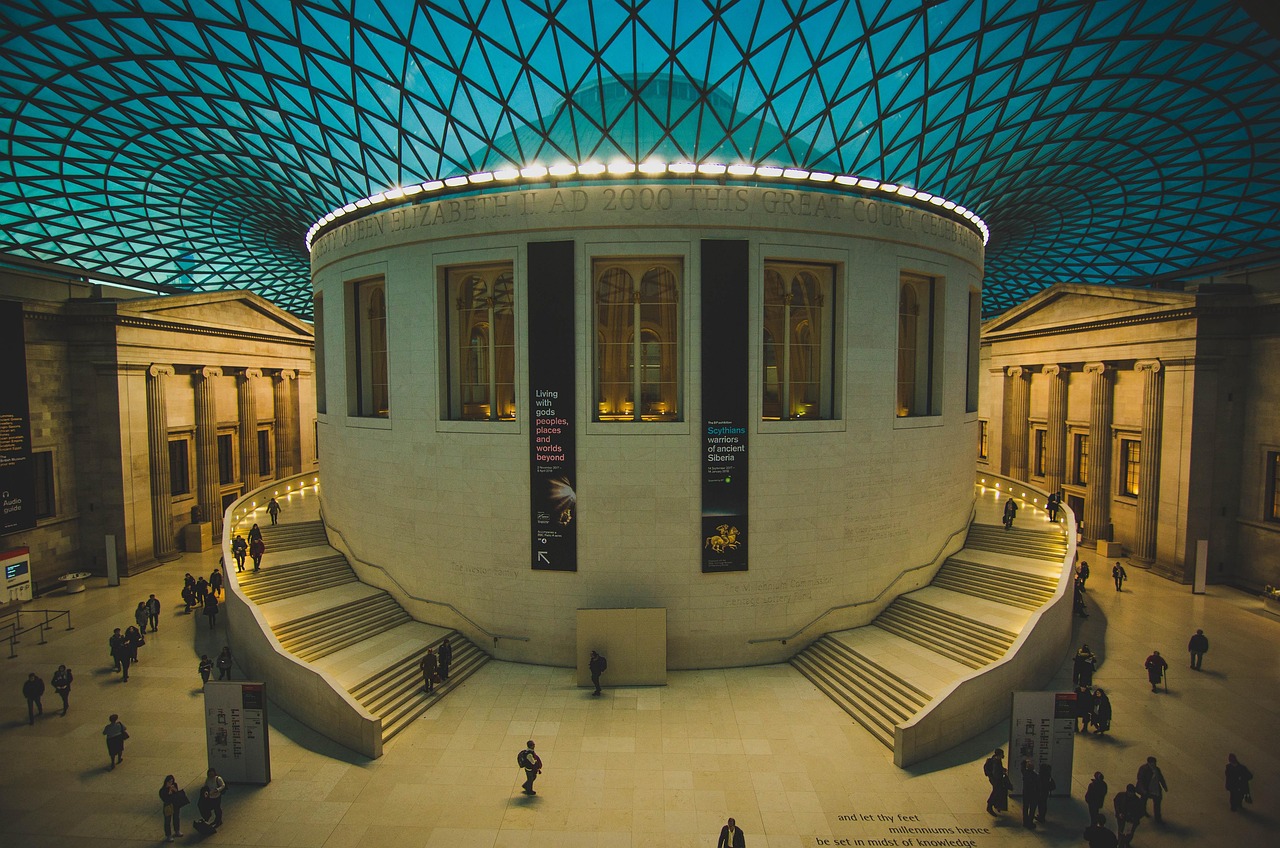
Meanwhile, the museum has embraced its donor. It has named a room in its members' facilities after Tulchinsky, featured him in exhibition publicity, and displays his portrait by Jonathan Yeo. He is listed as honorary chair of the museum's Red Ball fundraiser, scheduled for Saturday in the Great Court, with artistic direction by Es Devlin and a performance by Wyclef Jean.
This is familiar territory for the institution. Its $66 million, 10-year partnership with BP has drawn protests from political and environmental activists, and earlier sponsorship deals with tobacco companies have also faced criticism.
The British Museum did not respond to ARTnews' request for comment before publication. Until it explains the redacted section of the due diligence report, the question of what trustees knew — and when — stays open.
Original: theartjournal.com
More from Grace Kim
Show full bio
Correspondent covering technology and product news in arts in the broadest sense at Arts & Voices.
614 articles