Oxford's Pitt Rivers Museum Returns 39 Ancestral Remains to Naga Delegation
Oxford's Pitt Rivers Museum handed 39 sets of Naga ancestral remains to a delegation from Nagaland on November 9, after more than a century in its collection.
Programme
- On November 9 the Pitt Rivers Museum returned 39 sets of Naga ancestral remains to a delegation of almost 30 people from Nagaland.
- The remains were taken during British colonial rule and held in Oxford for over a century.
- The museum lists 219 Naga human-remain items in total; 178 objects with human hair are not part of this return.
- Most of the collection was acquired by administrators John Henry Hutton and James Philip Mills between 1910 and 1940.
- Naga leaders plan a joint burial in a memorial park.
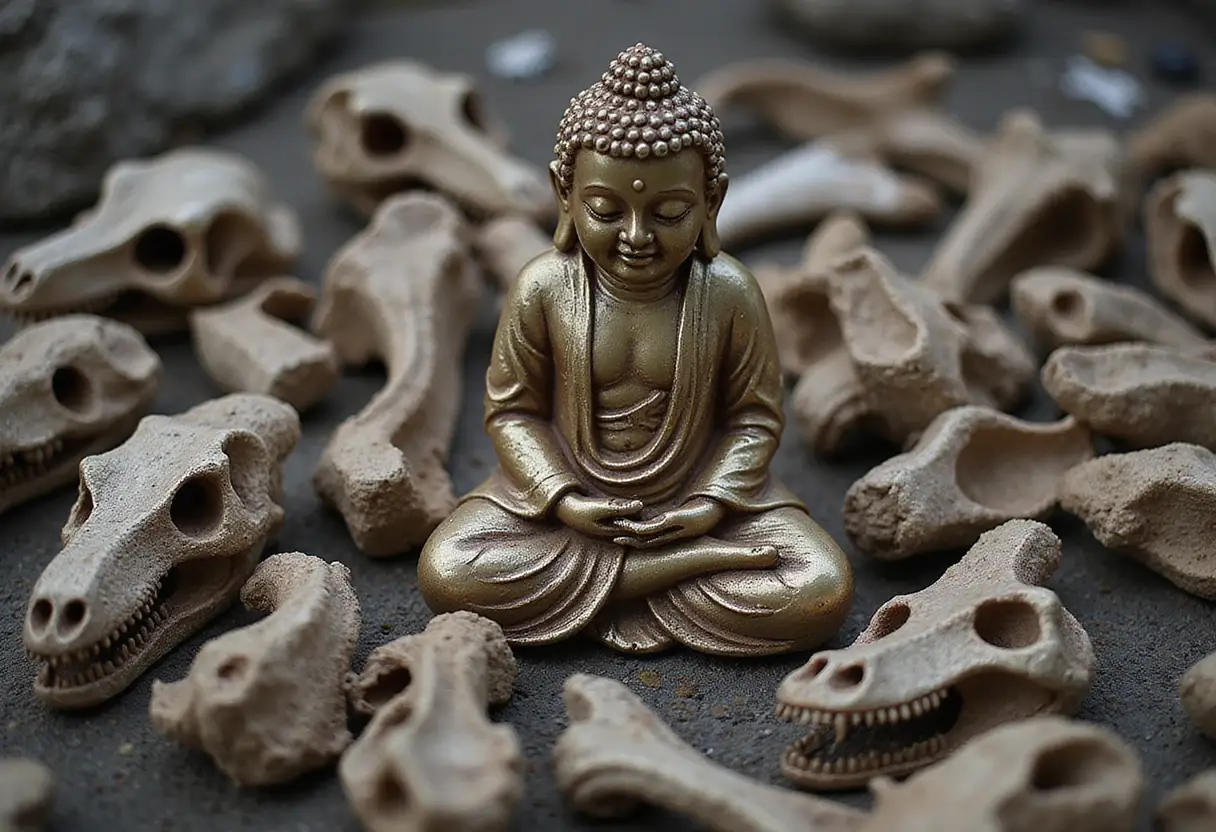
The Pitt Rivers Museum at Oxford University returned 39 sets of ancestral remains to the Naga people of India at a ceremony on November 9. The remains — mostly human skulls — were taken during British colonial rule of India and Burma, now Myanmar, and have sat in the museum's collection for more than a century. A delegation of almost 30 community members from Nagaland, an Indian state bordering Myanmar, traveled to Britain for the handover.
The mechanism behind the collection is worth naming, because it explains how the remains got there. The Pitt Rivers holds what it calls the largest collection of Naga artifacts in the world, most of it acquired between 1910 and 1940 by two men: John Henry Hutton, an anthropologist and colonial administrator in the Indian Civil Service, and James Philip Mills, a second administrator-anthropologist. Within that collection, 219 items are listed as Naga human remains: the 39 ancestral remains now returned, plus 178 objects that contain, or may contain, human hair. The current return covers only the 39 ancestors.
How violent was the collecting?
The museum doesn't soften the answer. On its website, it states that colonial "collecting" was "often bound up with the structures of colonial violence; remains and objects were frequently confiscated during punitive military expeditions, rather than freely given." Mills, who wrote three monographs on Naga culture and practice, refers to at least one armed expedition to demand "headhunting trophies" from Pangsha village, remarking that the Pitt Rivers would thus "get some fine specimens."
There's a nuance here. The Naga people did practice headhunting at the time, taking the severed heads of enemies as trophies. But they also kept and cared for the heads of their own chiefs. Anthropologist Dolly Kikon, a member of Nagaland's Lotha-Naga community now at the University of California, Santa Cruz, says one of the remains being returned is a chief's skull.
What changed to make the return possible?
Two things. First, in 2020 the Pitt Rivers removed all human remains, including the Naga material, from display. Second, Kikon saw the opening: she contacted the museum's director, Laura Van Broekhoven, and offered to connect her with the Naga community. The return grew out of the museum's work with Naga partners, including the Forum for Naga Reconciliation (FNR), together with tribal Hohos (community assemblies), elders, churches and communities.
What does this change for the remains themselves? Naga tribal leaders plan to bury them together in a joint memorial park. "They've been here in a foreign land for more than a century," said Dr Vihoto Asumi — spelled Vihuto Asumi in the source — President of the Sumî Hoho Naga tribe. "We believe that their spirits are still not at rest, so by doing this, we believe it will bring spiritual healing, not only to the ancestral remains here but to everyone who died during the head-hunting days."
The 178 objects with human hair remain in Oxford, and the museum's framing of its own colonial acquisitions as products of violence sets a precedent for how other institutions may handle similar holdings.
Original: prm.ox.ac.uk
More from Grace Kim
Show full bio
Correspondent covering technology and product news in arts in the broadest sense at Arts & Voices.
1,315 articles