Paintings stolen from Cagnes-sur-Mer Renoir Museum recovered
French officials confirmed this week that paintings stolen from the Musée Renoir in Cagnes-sur-Mer during a September robbery have been recovered. Details of the operation remain undisclosed.
Programme
- Paintings stolen from the Musée Renoir in Cagnes-sur-Mer, France, in a September robbery have been recovered, French officials confirmed this week.
- Pierre-Auguste Renoir settled in Cagnes-sur-Mer in 1907 and worked there until shortly before his death in December 1919.
- French authorities have not named the recovered works, their estimated value, or the recovery method; no suspect identifications have been released.
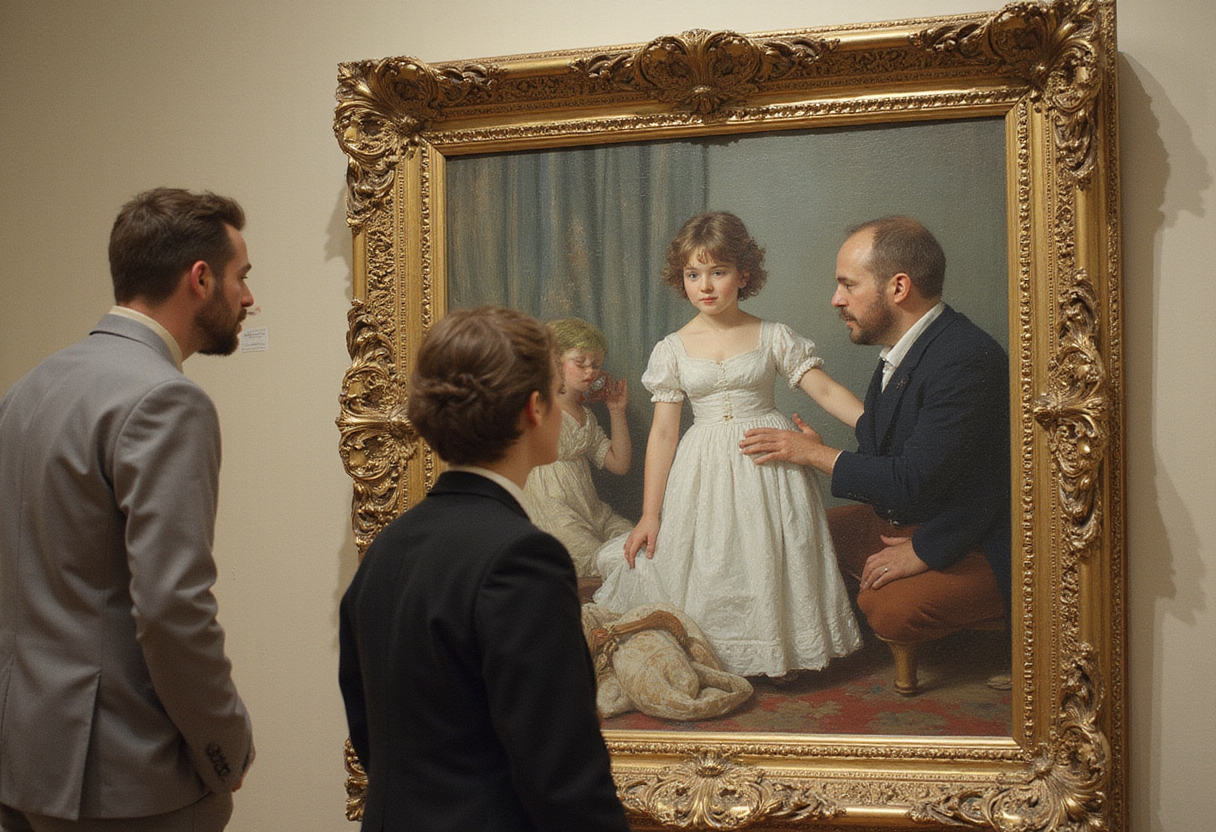
- Press photographs from after the robbery show a uniformed police officer posted at the museum entrance.
- The Musée Renoir opened as a state museum in 1960.
By Daniel Okafor
A group of paintings stolen in a September robbery from the Musée Renoir in Cagnes-sur-Mer, on France's Côte d'Azur, have been recovered, French officials confirmed this week. The works are now in police custody. Prosecutors have yet to disclose how investigators located them or whether arrests have followed.
The Musée Renoir occupies the wooded hilltop estate where Pierre-Auguste Renoir (1841–1919) spent his final years. The Impressionist settled in Cagnes-sur-Mer in 1907, drawn by the climate he hoped would ease his rheumatoid arthritis. He worked there until shortly before his death in December 1919. The property later became a state museum, opened to the public in 1960.
What we know about the September robbery
Details of the break-in remain sparse. Press photographs from the days afterward show a uniformed police officer posted at the museum entrance — a sight that briefly disrupted the quiet trickle of cultural tourists who normally visit the site for its views over the bay of Nice. The collection centres on Renoir's late life: the artist's own brushes, the potted geraniums he painted, and the olive trees that surround the pink-walled farmhouse.
The robbery fits a familiar pattern for small French regional museums: limited security budgets, remote hilltop locations, and collections rich enough to tempt thieves but too modest for round-the-clock surveillance. Recoveries of stolen works from such sites can take years, as the long catalogue of missing Impressionist pieces held abroad demonstrates.
What authorities have not disclosed
French officials have declined to name the recovered works, their estimated value, or the recovery method. No suspect identifications have been released. Art-theft inquiries in France typically fall to specialist units within the police judiciaire (the national criminal-investigation service), though no agency has publicly claimed this case. The Alpes-Maritimes prosecutor's office has not published operational details.
Why the museum matters
The Renoir site is small by French national standards. The Musée d'Orsay in Paris and the Musée de l'Orangerie hold the painter's most-visited canvases, including the late, red-toned nudes that anchor his reputation as a colourist. The Cagnes-sur-Mer museum's draw is more intimate — closer to a preserved studio than a blockbuster gallery, and a regular stop on the regional tourist trail.
France treats its Impressionist inheritance as part of its patrimoine, the legal designation that protects national heritage. A theft at any site housing such works — even a modest regional one — rattles the country's cultural establishment. The recovery counts as good news for the soft-power industry France has built around its nineteenth-century painters.
What the investigation will yield in court, however, is still anyone's guess.
Source: NYT Arts
More from Daniel Okafor
Show full bio
News editor covering companies, deals and strategy in arts in the broadest sense at Arts & Voices.
446 articles