Paul Pfeiffer Says the Stadium Has Replaced the UN as World Stage
Paul Pfeiffer, showing Bieber crucifixion carvings at Perrotin LA, argues the stadium has replaced the UN as the symbolic stage for world politics.
Programme
- Paul Pfeiffer's current exhibition runs at Galerie Perrotin in Los Angeles, featuring 2026 works.
- "Justin Bieber Legs Crucified (Seville)" (2026) is a cedar wood, paint and metal armature sculpture.
- Pfeiffer's "Fragment of a Crucifixion (after Francis Bacon)" dates to 1999.
- Pfeiffer said "perhaps the stadium is actually the replacement for the UN as a symbolic gathering point to conduct world politics."
- His Vitruvian Figure series imagines plans for a million-seat stadium.
Paul Pfeiffer, the artist who spent the early 1990s erasing crowds and opponents from found sports footage, is showing new work at Galerie Perrotin in Los Angeles — including 2026 cedar woodcarvings of Justin Bieber crucified in the style of Jesus.
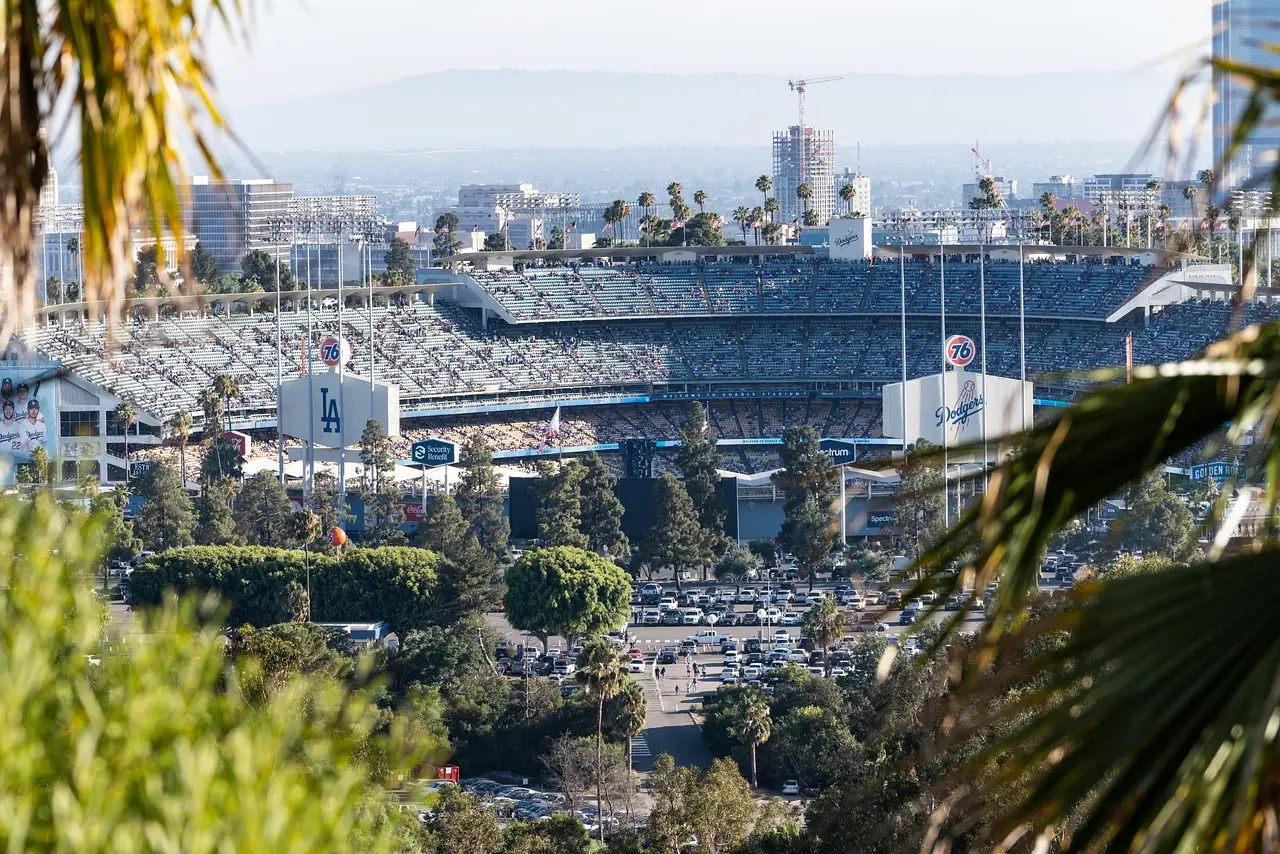
The exhibition features "Justin Bieber Legs Crucified (Seville)" from 2026, wood sculptures painted and built on metal armatures. It also includes "Vitruvian Figure (Los Angeles Memorial Coliseum)" (2026), a silent digital video on a custom LED display, part of his long-running series of maquettes and imagined plans for a million-seat stadium.
Pfeiffer's method hasn't changed much since his breakthrough: take familiar footage of boxers and basketball players, then strip out key elements through post-production. The result isolates celebrated bodies in empty arenas, exposing what he calls the uncanny undercurrents of late modern spectacle. He layers art history on top — caryatids in his 2003–4 series of that name, and modern painting in the 1999 digital video installation "Fragment of a Crucifixion (after Francis Bacon)."
What does Pfeiffer think a billion fans would mean?
Asked by Hyperallergic whether mass culture has scaled past the point of no return — "a billion Swifties gathering would be a stadium too far?" — Pfeiffer answered with architecture, not alarm.
"There's a proliferation of stadiums, often connected to cyclical events like the World Cup or the Olympics, traveling from city to city, such that the architecture mirrors this kind of rhythm," he said.
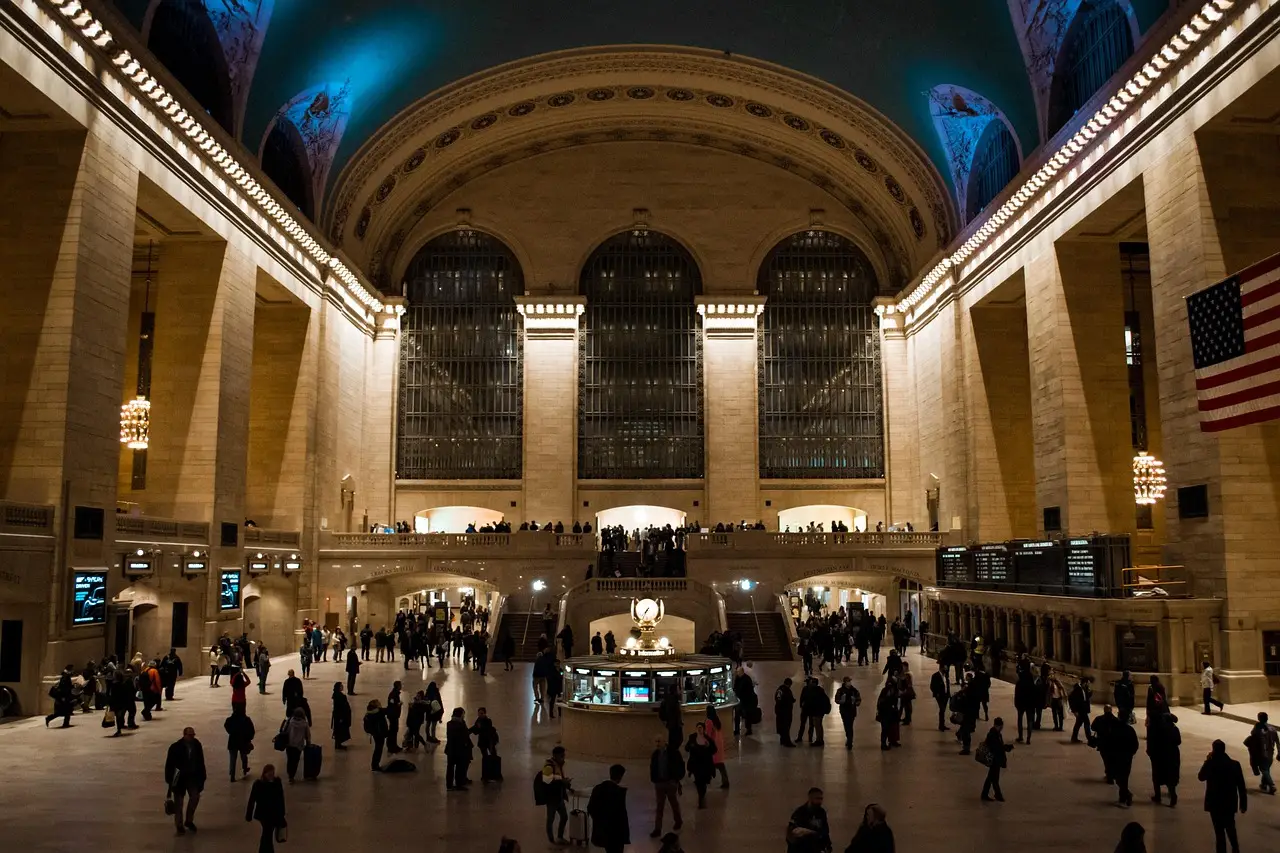
Then came his sharpest claim: "If we think about soft power and the amount of politics conducted through the World Cup, and the listlessness and questionable effectiveness of the United Nations now, perhaps the stadium is actually the replacement for the UN as a symbolic gathering point to conduct world politics."
He concedes the trade-off. "It certainly hides as much as it reveals, but has become a staging ground for political pronouncements," Pfeiffer said. "In that way it's beyond symbolic — the athletes' bodies move beyond the agonistic encounters in the stadium."
How does politics move through bodies?
The interview turned to two recent examples of bodies doing political work. Hyperallergic raised the case of Iranian soccer players who trained outside the United States during the World Cup, after the US government refused to host them overnight — athletes facing extra adversity just to reach their workplace. It also cited delegates marching out of the UN assembly during Netanyahu's speech.
"For me, it's the play of the visible and the invisible, or the facade and the informal production scheme behind the facade," Pfeiffer said. "This is present in the ways politics are conducted through culture now, a formal symbolic aspect that carries a certain kind of weight."
On the UN walkout, he was blunt: "I agree about the spectacle of so many delegates walking out on Netanyahu is heartening — a bit of agency when we needed it."
Why the Bieber crucifixions?
The new sculptures extend the logic of his earlier sports work into pop idolatry. Where he once isolated Michael Jordan-era athletes to show fame's grip on the body politic, the Bieber carvings literalize the worship — a pop singer rendered as a devotional figure, in Seville, a city built on Catholic spectacle.
It's the same mechanism Pfeiffer has tracked for three decades: media builds a crowd around one body, and that body starts carrying meanings far beyond its job. The Perrotin show suggests the stadium is now where those meanings get negotiated — and Pfeiffer clearly thinks artists should keep watching who walks out, and who gets left on stage.
Original: npr.org
More from Grace Kim
Show full bio
Correspondent covering technology and product news in arts in the broadest sense at Arts & Voices.
837 articles