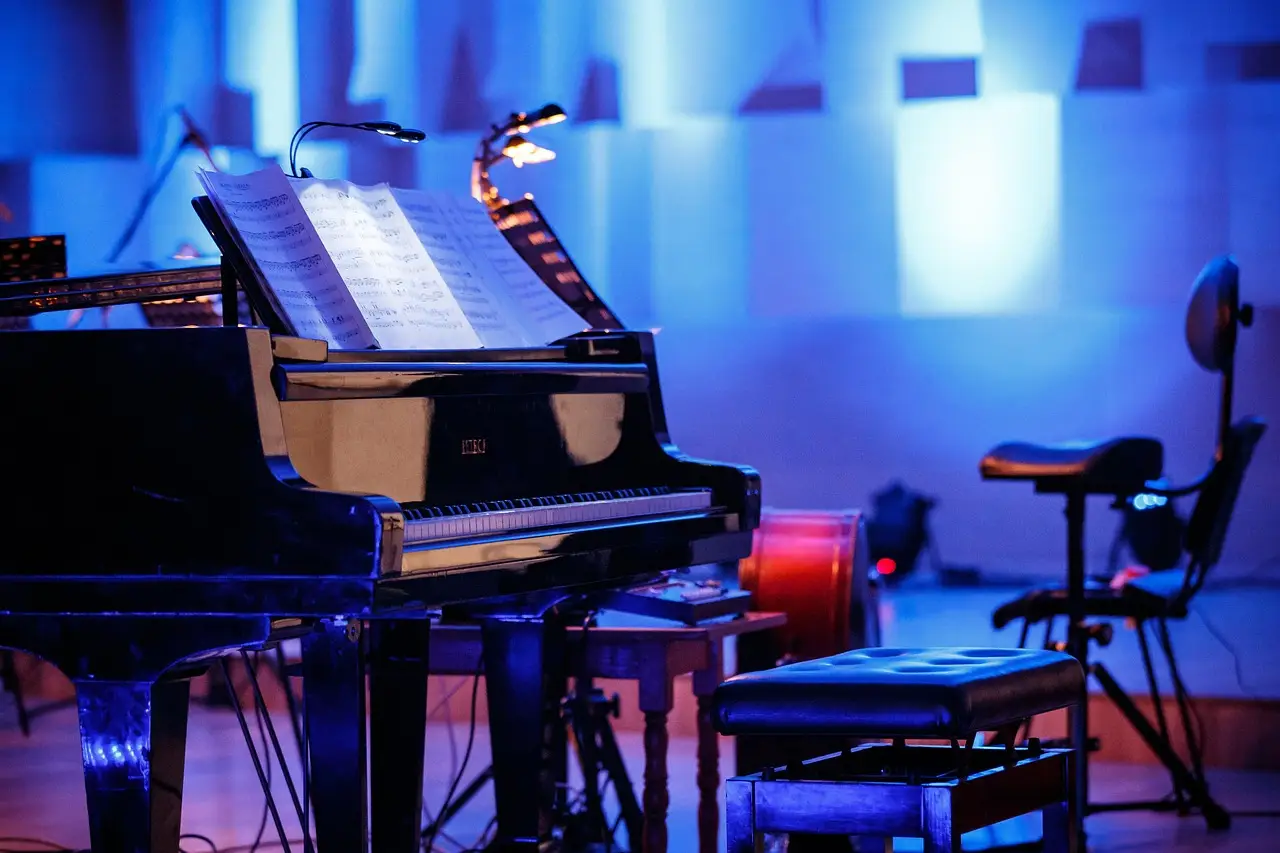
Paul Thomas Anderson Films Cameron Winter Alone at a Steinway
Paul Thomas Anderson's 75-minute film captures Geese frontman Cameron Winter, 23, playing 12 songs at a sold-out Carnegie Hall on Dec. 11, 2025 — back turned to the audience.
Programme
- Cameron Winter played a sold-out solo concert at Carnegie Hall on Dec. 11, 2025, at age 23.
- Paul Thomas Anderson's film runs 1h 15m and documents 12 songs, mostly from the 2024 album "Heavy Metal".
- A live album of the concert was released in October.
- Winter performed almost entirely with his back to the audience, seated at a Steinway grand.
- The review calls the film essential viewing for Winter enthusiasts and Anderson completists.
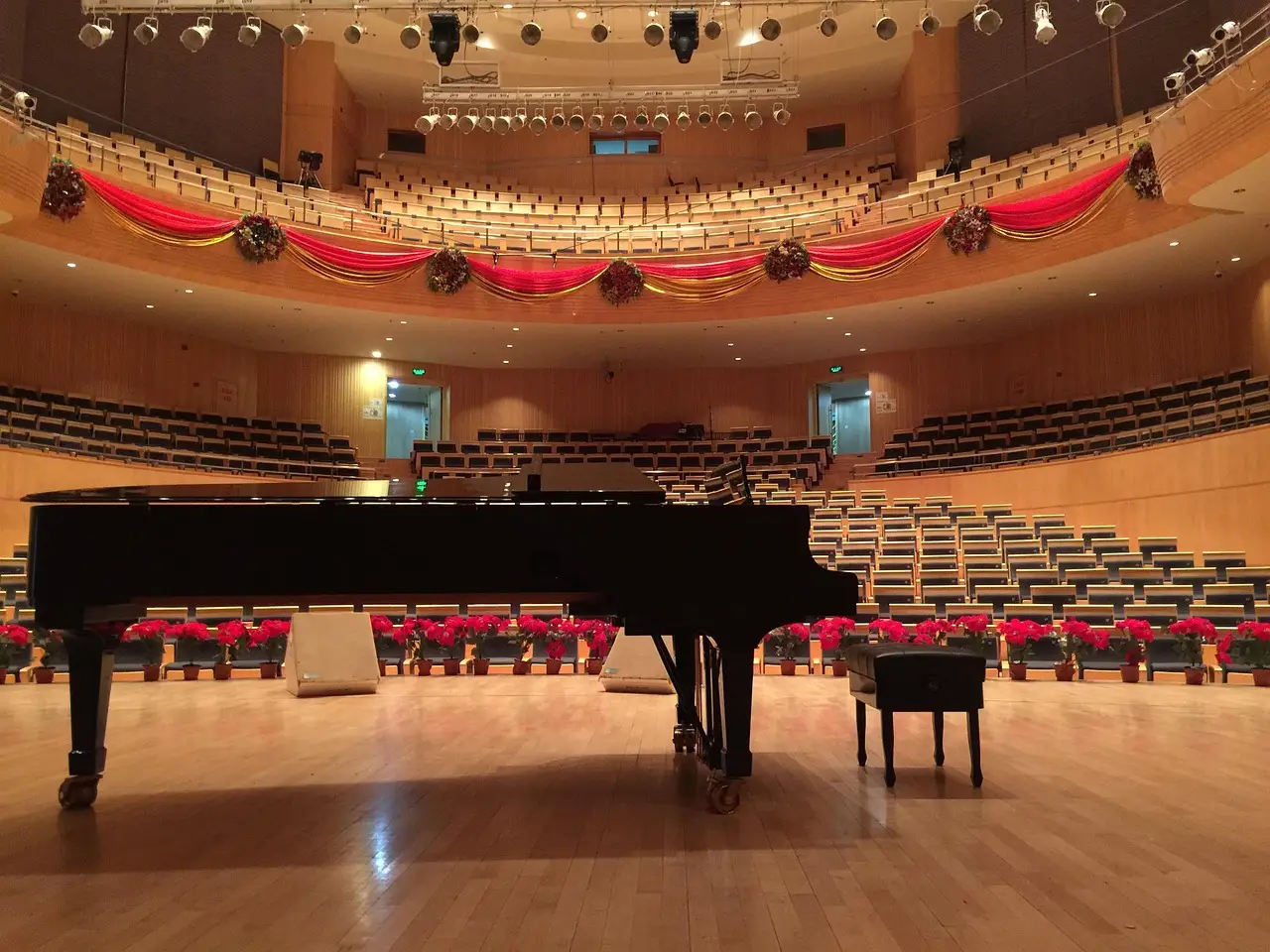
On Dec. 11, 2025, Cameron Winter — 23 years old and co-founder of the New York rock band Geese — played a sold-out solo concert at Carnegie Hall, seated at a Steinway grand on a starkly lit stage. Paul Thomas Anderson filmed it. The result, "Cameron Winter at Carnegie Hall," runs 75 minutes, is unrated, and is, according to the review's assessment, essential viewing for Winter enthusiasts and Anderson completists.
What does the film actually contain? Twelve songs, performed almost uninterrupted for roughly an hour and change. Many come from Winter's first solo album, "Heavy Metal" (2024). Stripped of studio sweetening, the songs drone rather than pop — hypnotic at times, pretty at others, and often similar-sounding, partly because Winter took few pauses between them. A live album of the concert was released in October; the movie follows.
The review's verdict on the material itself is measured. Winter's music is "an acquired taste." The lyrics, when audible, are "eccentric, gnomic, at times hilarious and, given his youth, predictably self-conscious." The influences are legible: Winter has name-checked Bob Dylan and Leonard Cohen in past interviews. The reviewer also heard "Moonlight Sonata," Nick Drake and a touch of Raymond Scott — with the honest caveat, "though maybe I imagined that; Winter's meanderings can take you to unexpected places."
Why film a pianist who faces away?
The staging carries the story's most striking fact: Winter performed almost entirely with his back turned to the audience. Most attendees could not see his face. Anderson's crew, moving continually — including on the stage itself — gives the film's viewers a far more privileged vantage. The face in question is "pale and smooth, with boy-band bangs that brush against his caterpillar brows." That Winter obscured it suggests he wanted concertgoers to focus on what he played, not how he looks — a prohibition that, the review notes, does not extend to the film's audience.
Winter's stage presence reads as serious, borderline monastic. He stayed seated and unsmiling for nearly the entire concert, barely acknowledged the crowd, skipped banter and, by the reviewer's recollection, announced only one song. He hunches over the piano, sits upright, caresses and hammers the keys. The sobriety extends to his concert black clothing, including a high collar evoking a clerical shirt. The review allows the ambiguity: the outfit "may just be a fashion choice; it's definitely a statement."
On craft, the film earns its keep. Given Anderson's meticulousness, the movie's sound is "unsurprisingly very fine," though the reviewer concedes the concertgoers in the room likely enjoyed better.
The claim of "a lovely musical marriage" of piano and camera comes packaged for fans. For everyone else, the film stands as a document of a 23-year-old songwriter who chose Carnegie Hall, a Steinway and his own back as the frame — and a director trusted to move around it.
Source: NYT Arts
More from Tom Whitfield
Show full bio
Market editor covering people, launches and day-to-day practice in arts in the broadest sense at Arts & Voices.
1,719 articles