Piacenza Stages Its First Ever Flying Dutchman to Close the Season
Piacenza staged its first-ever Wagner opera, closing 2025-26 with a new Dutchman co-produced with Modena, conducted by Martijn Dendievel to near-perfection.
Programme
- Der fliegende Holländer received its Piacenza premiere, closing the Teatro Municipale's 2025-26 season.
- The production replaced Lohengrin, originally scheduled for 6 and 8 November 2026.
- The staging is a new co-production with Teatro Comunale di Modena, directed by Matteo Mazzoni.
- Martijn Dendievel conducted the Orchestra dell'Emilia Romagna Arturo Toscanini.
- The 2026-27 season opens the week before Christmas with Umberto Giordano's Siberia.
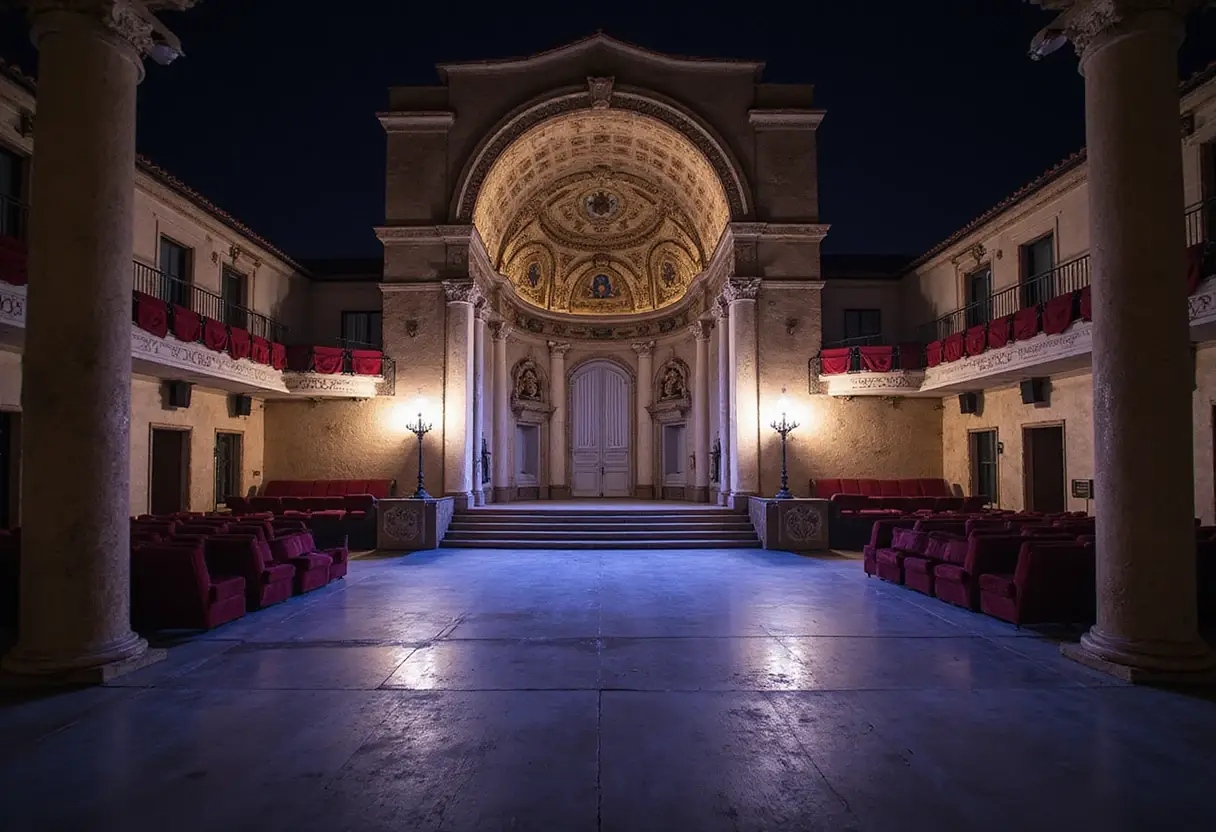
Teatro Municipale di Piacenza closed its 2025-26 season with "Der fliegende Holländer" — the first performance of any Wagner opera in the house's history, staged 150 years after the work's Italian premiere.
The Dutchman arrived by substitution. The theater replaced Wagner's "Lohengrin," originally scheduled for 6 and 8 November 2026, citing technical and organizational reasons related to that staging. Management chose another Wagner work to preserve continuity in the artistic project. Wagner remains a rarity in Italian opera house programming, which made the Piacenza debut a notable event for the repertoire.
How did the director read the curse?
Stage director Matteo Mazzoni framed the Dutchman's curse in Homeric terms: "A man without an Ithaca, without a Penelope waiting for him, without the certainty of finally being able to return home." Where Ulysses sails to rediscover the place he belongs, Mazzoni argued, the Dutchman is condemned because that place no longer exists — or perhaps never existed.
The result, according to the review, may be the finest production the Teatro Municipale has staged to date. It is a new staging co-produced with the Teatro Comunale di Modena.
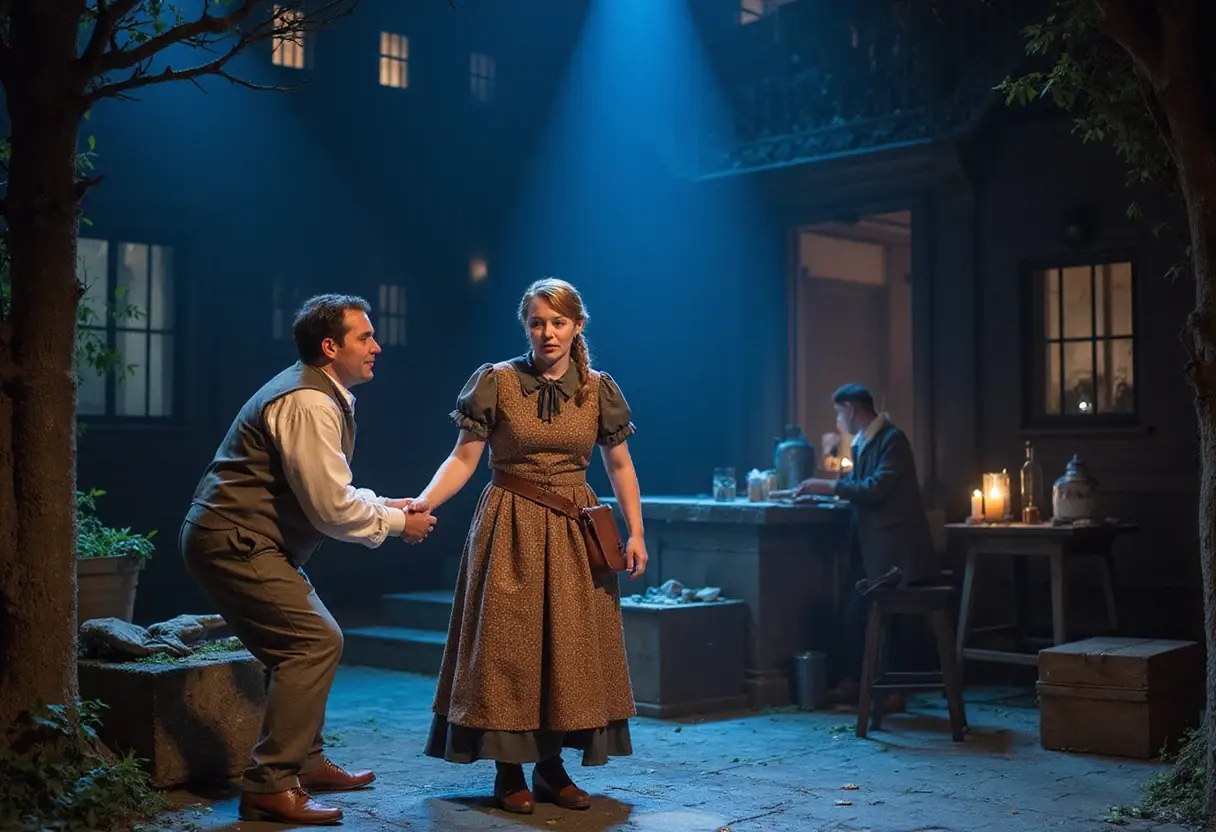
Video designer Luca Attilii carries much of the achievement. Projections and animations of the highest quality create a stage picture of astonishing realism: the great ship approaches through the projections, and Daland's sailors emerge aboard their vessels within the animated images, on discreet black platforms occupied by the chorus. The turbulent sea, the cloud-filled sky and the two confronting ships sustain the tension. There is no physical scenery; the review judges that nothing more is needed.
Mazzoni also designed the costumes and lighting. The costumes are classical — Daland in northern European sailor's attire, Senta in an immaculate white dress, the Dutchman in black pirate garb with high boots and open-chested shirt. Beautiful, the review notes, though they resort to certain clichés.
What did the pit deliver?
Belgian conductor Martijn Dendievel's conducting came close to perfection, the review states, from a storm-filled overture with the Dutchman's theme at full volume in the brass. He showed profound command of the Wagnerian style and sensitivity in melancholic passages such as Senta's theme and the finale. He drew a very high standard from the Orchestra dell'Emilia Romagna Arturo Toscanini, while the Coro del Teatro Municipale di Piacenza under Corrado Casati matched that success.
Claudio Sgura, in his role debut, impressed as the Dutchman: an ample voice, dark timbre, clean vocal line, clear diction, and a portrayal both irascible and mysterious. Johanni van Oostrum's Senta offered a beautiful timbre, well-supported high notes and elegant phrasing; her duet with Sgura reached high dramatic intensity.
Sorin Coliban built a Daland balanced between paternal warmth and greed, with a solid low register, exceptionally clear German diction and striking presence in the opening scene. Ian Koziara gave prominence to the secondary role of Erik through physical, anxious acting and a clean vocal line, though the review suggests Wagner may not suit his voice — Mozart or bel canto would be interesting to hear him in. Paolo Antognetti's Steuermann turned his Act One song into a little gem; Ester Ferraro's Mary showed stage confidence and vocal poise.
The curtain call drew exceptionally prolonged applause. What changes for Piacenza is its standing: a house untested in Wagner has now staged one convincingly. The 2026-27 season opens in the week before Christmas with Umberto Giordano's "Siberia."
Source: Opera Wire
More from Tom Whitfield
Show full bio
Market editor covering people, launches and day-to-day practice in arts in the broadest sense at Arts & Voices.
1,285 articles