Platoon One Films Launches Horror Lab for 15 Indian Writers
Platoon One Films will train 15 writers in a three-month online horror lab, pushing Indian genre cinema beyond ghost stories and horror-comedy hybrids toward international reach.

Programme
- Platoon One Films will select 15 writers for the Platoon One Horror Lab.
- The program runs for three months, entirely online, with weekend sessions.
- Mentors and faculty from India and abroad will be named in the coming weeks.
- Participants will pitch finished scripts to producers through Platoon One's network.
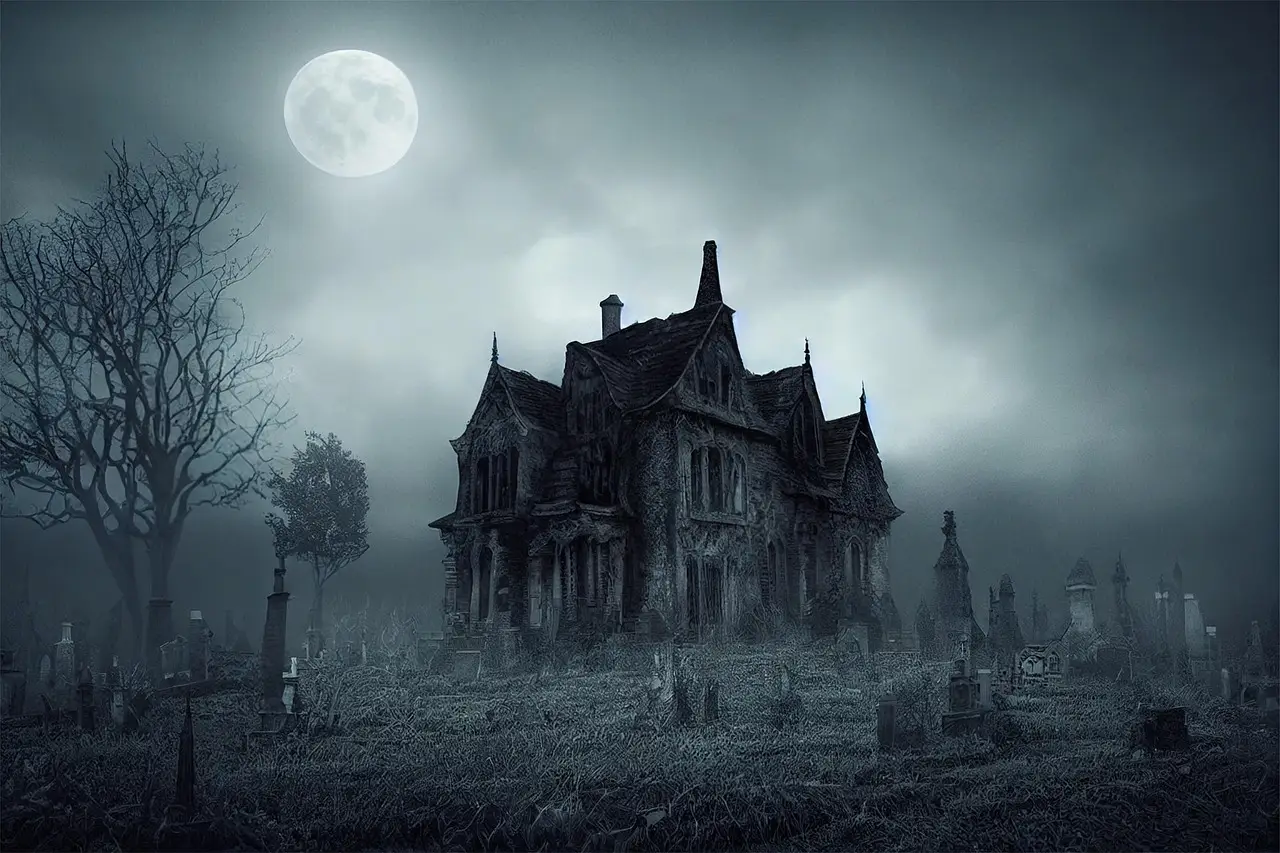
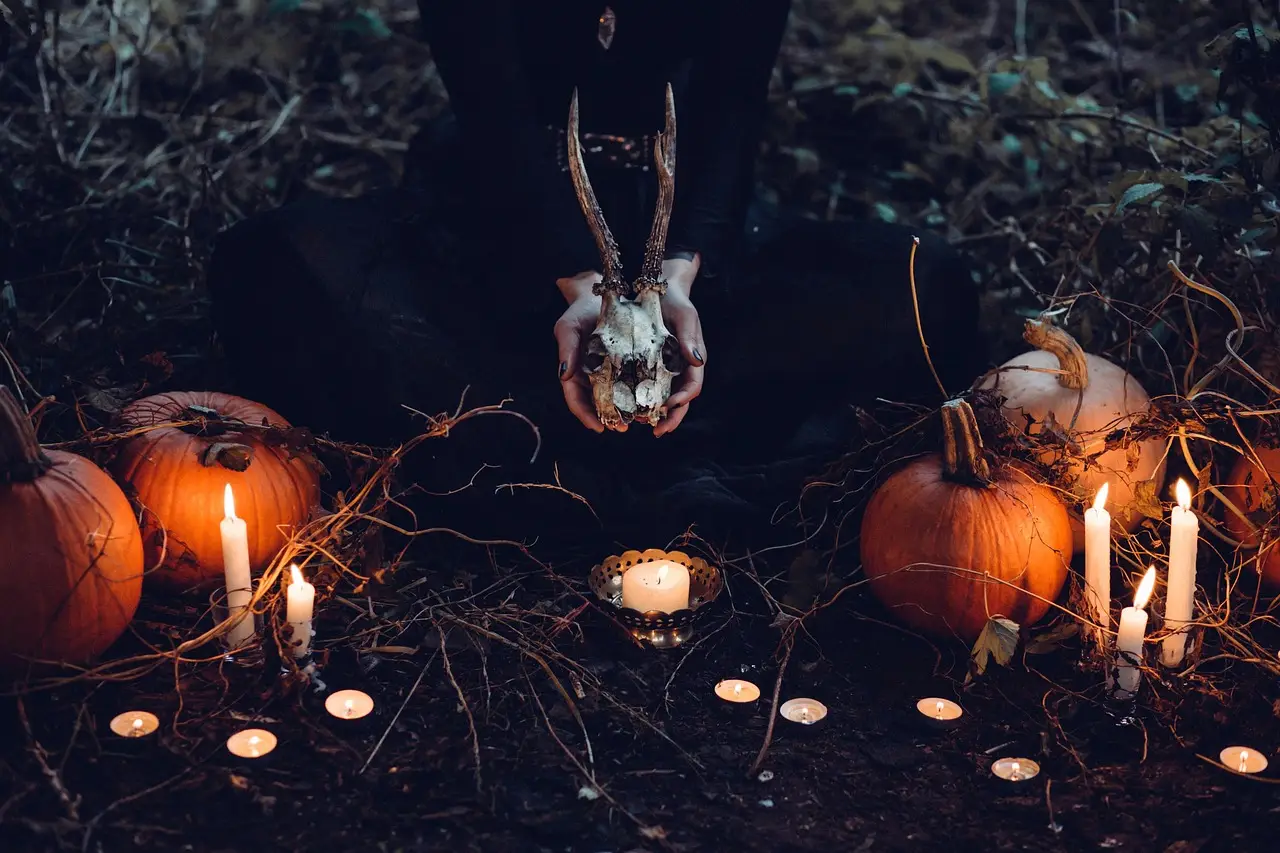
Platoon One Films will select 15 writers for a three-month online program dedicated to original Indian horror screenplays. The independent production and distribution company calls it the Platoon One Horror Lab, and it wants to steer the country's genre cinema away from ghost stories and horror-comedy hybrids.
Shiladitya Bora, founder of Platoon One Films, said the lab grew out of frustration with the current output. “I wanted to start this lab because I feel we need to understand the genre better and bring genuinely good horror stories to our audiences,” Bora said. “Frankly, I was getting tired of watching horror-comedies that were neither scary nor funny. We have such a rich storytelling culture, and I believe there is so much more we can do with horror.”
How will the lab work?
The program runs entirely online. Each of the 15 participants brings an original horror screenplay to develop across the three months.
The format mixes several elements:
- Weekend sessions led by seasoned screenwriters and directors from India and other countries
- Group mentoring and discussions on craft
- Individual sessions focused on each script
- Ongoing feedback as drafts evolve
The company will name the program's mentors and faculty in the next few weeks.
When the lab ends, participants will pitch their projects to producers and other industry figures through Platoon One's network. Those pitches could lead to financing and, eventually, a shoot.
What does this change for Indian horror?
The company argues much of India's mainstream horror keeps returning to the same supernatural staples and predictable beats. This persists even though the country's myths, folk tales and local beliefs offer far richer material, according to Platoon One.
The lab will push writers to use the genre as a lens on society and the human mind, and to learn how suspense and atmosphere are built.
Bora sees the genre as more than jump scares. “We can talk about much bigger, philosophical and metaphysical ideas through horror, and sometimes it is far more powerful than simply expressing them through dialogue,” he said. “What attracts me to the genre is often the messaging beneath the surface. Horror allows you to explore things that are difficult to confront directly.”
Can Indian horror travel abroad?
Platoon One's wider goal is to help Indian horror reach international audiences. The company pictured tales that might start in an Indian hamlet yet still frighten viewers in Seoul or São Paulo.
Bora framed the lab as an investment in talent. “I see this as an opportunity to help create the next generation of writers and filmmakers who can take Indian horror to a whole new level,” he said.
Platoon One Films operates as an indie production and distribution company that also handles international sales and creative development. If the lab's first cohort produces scripts that reach producers and secure financing, the program could become a pipeline for a genre Indian cinema has largely treated as comedy's sidekick. The mentor announcements expected in the coming weeks will signal how seriously the company intends to build it.
Source: Variety Film
More from Marcus Bennett
Show full bio
Staff writer covering people, launches and day-to-day practice in arts in the broadest sense at Arts & Voices.
978 articles