Predictive Algorithms Are Flattening Culture, a 640-Street Test
Data scientist Lauren Leek analyzed 640 London shopping streets, linking predictive algorithms, standardized chains and consumer desire to a monoculture of cultural sameness.
Programme
- Lauren Leek analyzed 640 shopping streets across London.
- Her street view included a Victorian-era pub, Pret a Manger, Starbucks, Joe & the Juice and Subway.
- Her Substack essay was titled “Temperature Zero for Culture: Why Everything Is Starting to Look the Same.”
- Cory Doctorow and John Naughton shared and discussed Leek's essay.
- Roland Barthes's *Mythologies* appeared in 1957 and examined everyday culture through semiotics.
By Grace Kim
Lauren Leek analyzed 640 London shopping streets to test how predictive algorithms contribute to cultural sameness. Leek, a Dutch Australian data scientist and assistant professor at Leiden University in the Netherlands, uses “monoculture” for the homogeneous pattern she examines.
What the London test measures
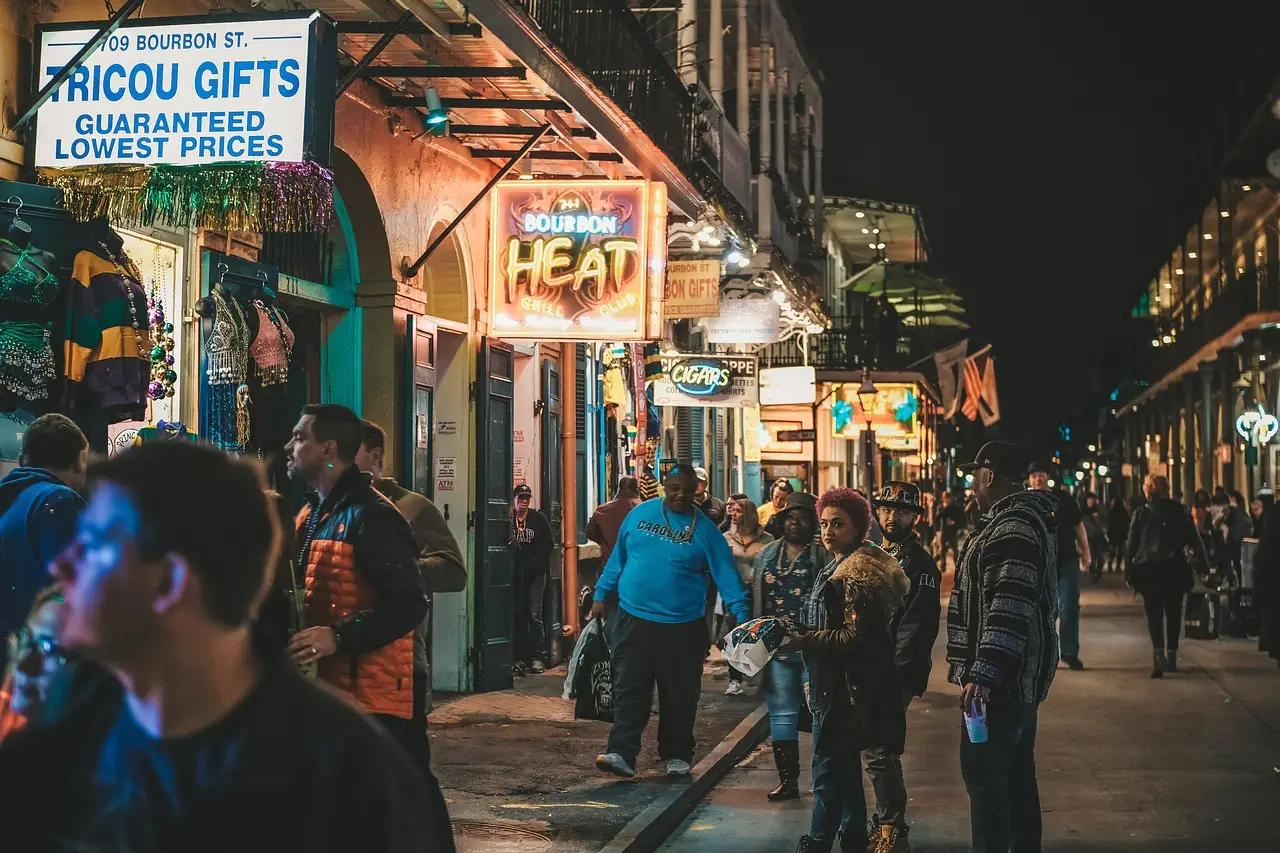
On a recent afternoon, Leek stood on a typical London shopping street in front of a Victorian-era pub. Alongside it stood a predictable array of corporate-owned food, drink and retail outlets: Pret a Manger, Starbucks, Joe & the Juice, Subway. Leek said: “What we see in front of us used to be culturally diverse. Now it is culturally generic.” She added: “Most of what we see is the big chains we see everywhere. It creates a sense of placelessness. We could be anywhere.”
Her location condensed her argument into one view. The Victorian-era pub and the large chains shared pavement space, making specific and generic forms of culture visible together. That visual contrast gives the street test a practical edge: it examines what people encounter rather than treating preference as a fixed personal trait. The 640 streets provide a defined scale for Leek's claim that algorithmic flattening can be seen in ordinary commercial surroundings.
How the flattening mechanism works
Leek recently posted a Substack article titled “Temperature Zero for Culture: Why Everything Is Starting to Look the Same.” She used advanced data-analysis tools across the 640 streets to examine how predictive algorithms helped create what she calls a homogeneous “monoculture.” Predictive algorithms (systems that estimate likely choices from patterns in behavior) connect the design of cultural options with the choices people make. The scope runs from music, movies and hospitality to pub menus, pop lyrics and almost every part of contemporary consumer culture. This is where “monoculture” becomes more than a complaint about branding or identical shopfronts. Leek locates the flattening at the point of desire, not merely at the point of sale. Her sharpest formulation is: “we lose the ability to tell the difference between what people wanted and what the system made easy to want.”
That distinction matters because a preference can appear voluntary even when a system has made that option easy to want. The post moved beyond specialist circles: the widely read technology commentators Cory Doctorow and John Naughton shared and discussed it.
What does the 640-street analysis change?
It converts a familiar complaint about identical high streets into a testable claim about predictive systems. For shoppers trying to understand why two streets can feel interchangeable, Leek directs attention beyond individual taste toward the systems shaping what appears available. The useful distinction is between a preference people express and one that predictive systems make easy to form. The 640-street figure supplies geographic scale, but it does not by itself explain every business or cultural decision along those streets. That limit keeps the London study a test case rather than proof of a universal law.
Why Barthes still provides the frame
Leek's insight is reminiscent of Roland Barthes's classic 1957 collection of essays, Mythologies. At the time, Barthes used the recently developed discipline of semiotics (the study of signs and their meanings) to examine subjects as disparate and seemingly banal as soap powder, wrestling, margarine and automobiles. His examples established the value of treating everyday consumption as a serious cultural subject. The connection is methodological: Barthes made ordinary signs legible, while Leek tests a contemporary data system against the places where consumption happens.
If Leek's method travels beyond London and into the music, movies and hospitality sectors she names, the 640 streets could become a baseline for measuring cultural difference. Her walk gives readers a practical filter: separate what people actively want from what a system makes easy to want.
Source: NYT Arts
More from Grace Kim
Show full bio
Correspondent covering technology and product news in arts in the broadest sense at Arts & Voices.
983 articles