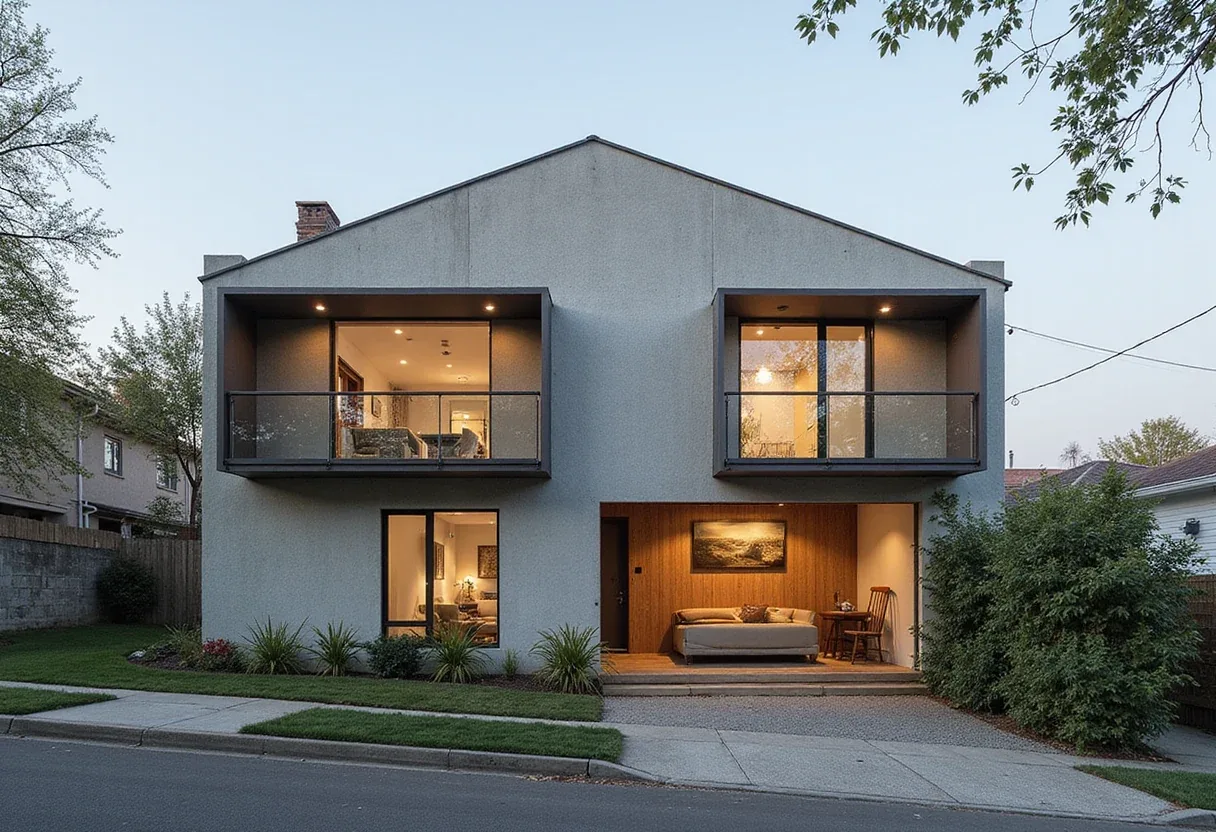
Prouvé's 1944 demountable house reborn as Japanese tea pavilion in Paris
Galerie Patrick Seguin shows Jean Prouvé's 1944 6x6 demountable house as a Japanese tea pavilion in Paris, with Richard Rogers' 2015 pods removed ahead of sale.
Programme
- Jean Prouvé designed the 6×6 Demountable House in 1944 for families displaced by war.
- The house is on show at Design Miami.Paris from 21 to 25 October 2026 at the Hôtel de Maisons.
- Richard Rogers added bathroom and kitchen pods to the house in 2015; these were removed for the Paris display.
- The house can be assembled by three people in a single day, according to Patrick Seguin.
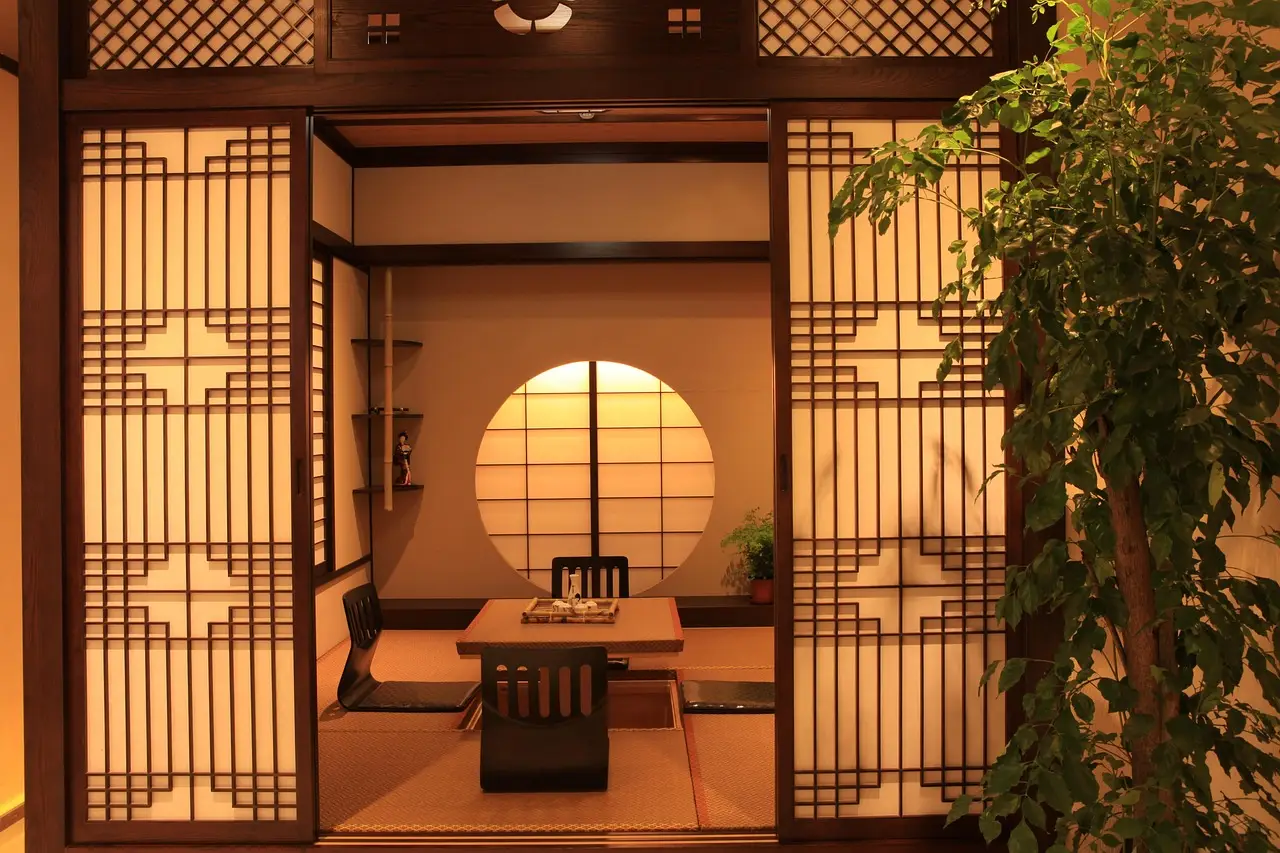
- The gallery reinterpreted the interior as a chashitsu, a traditional Japanese tea pavilion.
A 1944 house by Jean Prouvé is on show in the gardens of the Hôtel de Maisons in Paris, reinterpreted as a Japanese tea pavilion and offered for sale by Galerie Patrick Seguin.
The 6×6 Demountable House stands in the gardens of the Hôtel de Maisons at 51 Rue de l'Université during Design Miami.Paris 2026, which runs from 21 to 25 October. The gallery has stripped the interior of the bathroom and kitchen pods that architect Richard Rogers added in 2015, when the house served as a guesthouse at the sculpture park Château La Coste. The six-by-six-metre structure now reads as a contemporary chashitsu — a traditional Japanese pavilion used for tea ceremonies, fitted with tatami mats.
Why was the house built?
Prouvé designed the house in the 1940s for wartime displacement. It could be assembled at speed and function as housing for people left homeless by war.
"This house was designed at the end of the second world war to provide temporary accommodation for displaced families whilst their homes were being rebuilt," the gallery's founder Patrick Seguin told Dezeen.
"Its exposed structure showcases all of Prouvé's ingenuity; he was able to respond to the urgency of post-war reconstruction with a design that could be assembled in a single day."
What links Prouvé to Japan?
The chashitsu presentation is not an arbitrary styling choice. Seguin framed it as a reflection of the architect's lifelong ties to Japan.
"This new reading creates a dialogue between Prouvé's architecture and Japanese aesthetics and reflects the close ties he maintained throughout his life with Japan, where he was invited to give lectures on several occasions," Seguin said.
"Japanese architect Reiko Hayama was also one of his closest collaborators, joining his atelier in the early 1970s."
How does the house travel?
Demountability is the point. Because Prouvé designed the structure to be assembled and dismantled easily, transporting the wooden house to Paris required minimal effort, according to the gallery.
"Prouvé designed the houses to be easily assembled and dismantled; that's the ingenuity of these structures," Seguin said. "The 6x6 house only requires a single day to be assembled by three people."
That figure — one day, three people — has held steady for more than eight decades, from post-war emergency housing to a collector's object on the Paris design market.
What happens next?
The house is for sale through Galerie Patrick Seguin. After Design Miami.Paris closes on 25 October, it "will no doubt be moved to its new owner's home," Seguin said.
This year's edition of the fair also saw Apple unveil its Designers of Tomorrow programme.
The Jean Prouvé house remains on view at Design Miami.Paris 2026, L'hôtel de Maisons, 51 Rue de l'Université, 75007 Paris, through 25 October. Its next stop depends on who buys a building engineered, 80 years ago, to be packed up and moved in a day.
Original: patrickseguin.com
More from Elena Vasquez
Show full bio
Senior reporter covering technology and product news in arts in the broadest sense at Arts & Voices.
713 articles