Rafael Prieto Turns Tribeca Facade Fragments into Furniture
Designer Rafael Prieto salvaged sixteen fragments from a Tribeca building renovation and spent a year considering them before turning them into furniture at Emma Scully Gallery.
Programme
- Rafael Prieto's exhibition The Future of the Past runs at Emma Scully Gallery, Upper East Side, New York, from 30 September to 12 December.
- The collection uses sixteen salvaged fragments from the renovation of an early twentieth-century Tribeca building across from Prieto's studio.
- Four tables incorporate the actual architectural pieces, including a cornice fragment; other works abstract motifs from them in lacquered birch and burl veneer.
New York designer Rafael Prieto has built a furniture collection from sixteen salvaged fragments of a Tribeca facade, now on view at Emma Scully Gallery on the Upper East Side through 12 December.
The exhibition, titled The Future of the Past, draws on ornamental cast-offs from the renovation of an early twentieth-century building located across from Prieto's New York studio. According to his team, Prieto "became deeply interested" in the pieces during the renovation and arranged to have them preserved.
He did not work with them immediately. Prieto held the fragments in his studio for a full year, considering what his team described as their "history, meaning, and potential" and their relationship to the city. "For Prieto, the fragments became a way of thinking about New York itself," the team said.
Four tables in the collection incorporate the actual architectural pieces, including a chunk of a cornice. Other objects translate the fragments more loosely: a bright red chair carries lines and motifs abstracted from the discarded building elements, while additional seating features chairs with notched armrests that echo architectural ornamentation.
Prieto framed the salvaged stone with contemporary materials and colours. These include lacquered birch wood painted in deep purple, black and red, as well as exposed-burl veneer. The Red Birch and Stone Table exemplifies the approach: one leg is an architectural corbel, the other is bright red striated birch, and the top is birch with burl veneer.
Other pieces include a stool with a fragment wedged at its centre and a low burl veneer chair with red geometric arm supports.
"The dichotomy between these materials – the hard and the soft, the historic and the contemporary – runs throughout the collection," said the team.
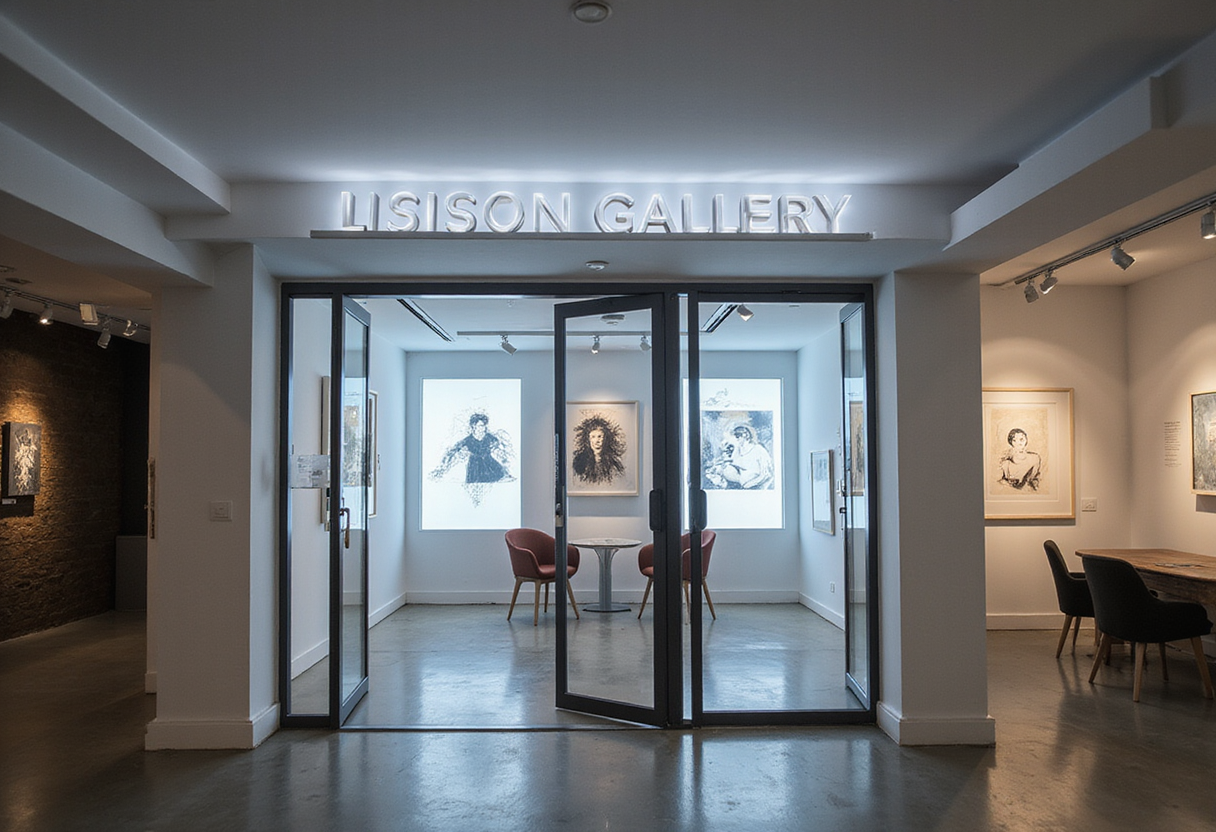
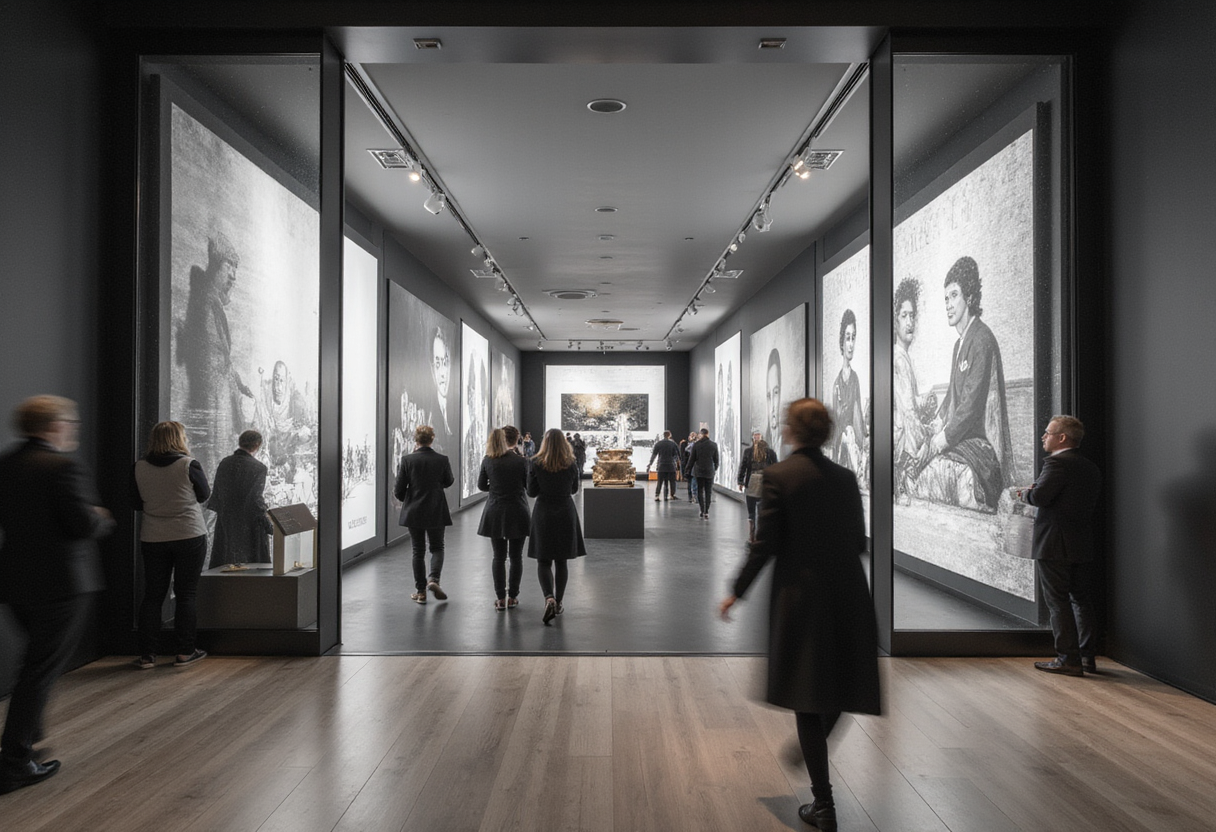
At Emma Scully Gallery, the furniture sits in a small room surrounded by wallpaper designed by Prieto with Wallpaper Projects, which reproduces Prieto's own photography.
Prieto is originally from Mexico. He runs the marketing studio Savvy between New York and Mexico City and also founded a chocolate company, Casa Bosques.
His work joins a broader pattern among New York designers who interpret the city through made objects. Recent examples include a chair by Italian designer Massimiliano Malagò reflecting on why he keeps returning to the city, and delicate lamps by Bechara Maalouf made from wood scraps salvaged from old building beams.
The photography documenting the exhibition is by Clement Pascal.
The Future of the Past remains on view at Emma Scully Gallery from 30 September to 12 December, offering New Yorkers a chance to see a century-old facade reassembled as functional sculpture.
Original: rafael-prieto.com
More from Marcus Bennett
Show full bio
Staff writer covering industry trends and analytics at Arts & Voices.
275 articles