Rare Roman Sculpture Fragments Unearthed at Chartres Sanctuary
Fragments of Roman statues and reliefs, some showing mythological scenes, emerged from a basin at the Saint-Martin-au-Val sanctuary during the 2026 dig.
Programme
- The 2026 excavation at Saint-Martin-au-Val in Chartres uncovered Roman statue fragments and sculpted reliefs around a large basin.
- The walled Gallo-Roman sanctuary covered over 25 acres, was begun around 70–80 CE, and was abandoned by about 130 CE.
- A marble-lined basin over six feet deep, a stepped platform, and a drainage pipe suggest a ritual water system.
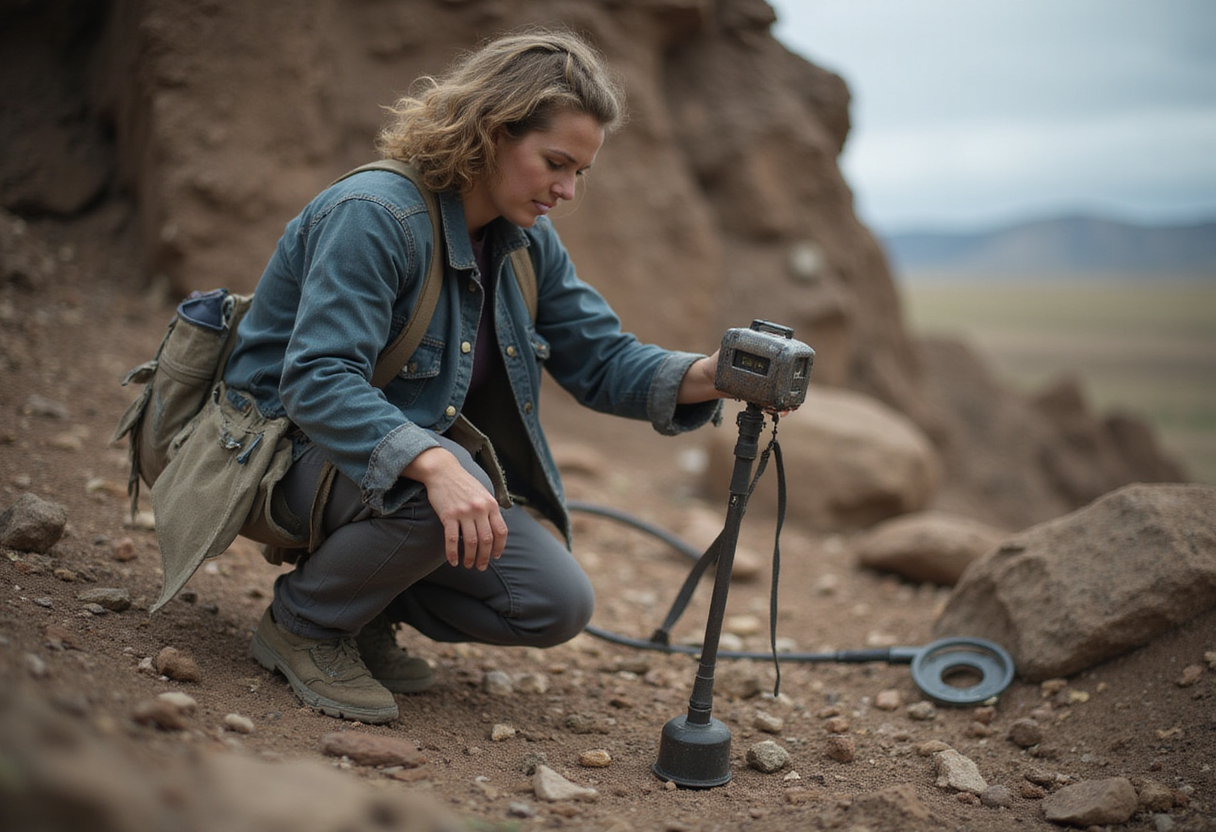
Archaeologists excavating the Saint-Martin-au-Val sanctuary in Chartres, France, have unearthed a rare cache of Roman stone statue fragments and sculpted reliefs, Heritage Daily reports. The team also found evidence of a water system that may have played a role in ancient rituals.
The discoveries came during the 2026 excavation campaign, which resumed this year after a four-year break. Researchers found the statuary fragments in and around a large basin. They believe some fragments depict mythological scenes and may once have decorated the part of the sanctuary's façade overlooking the basin.
The quantity of fragments is especially noteworthy. Surviving Roman sculptures are rarely found in Chartres.
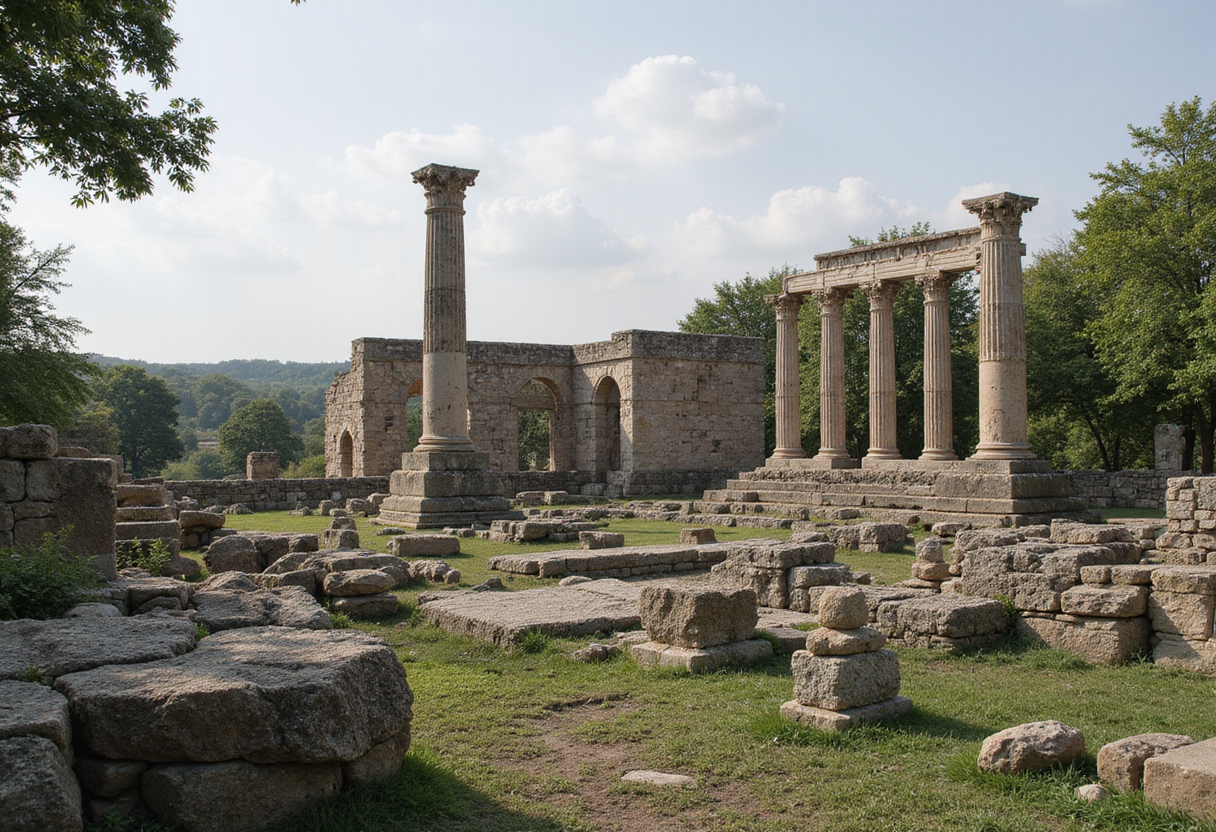
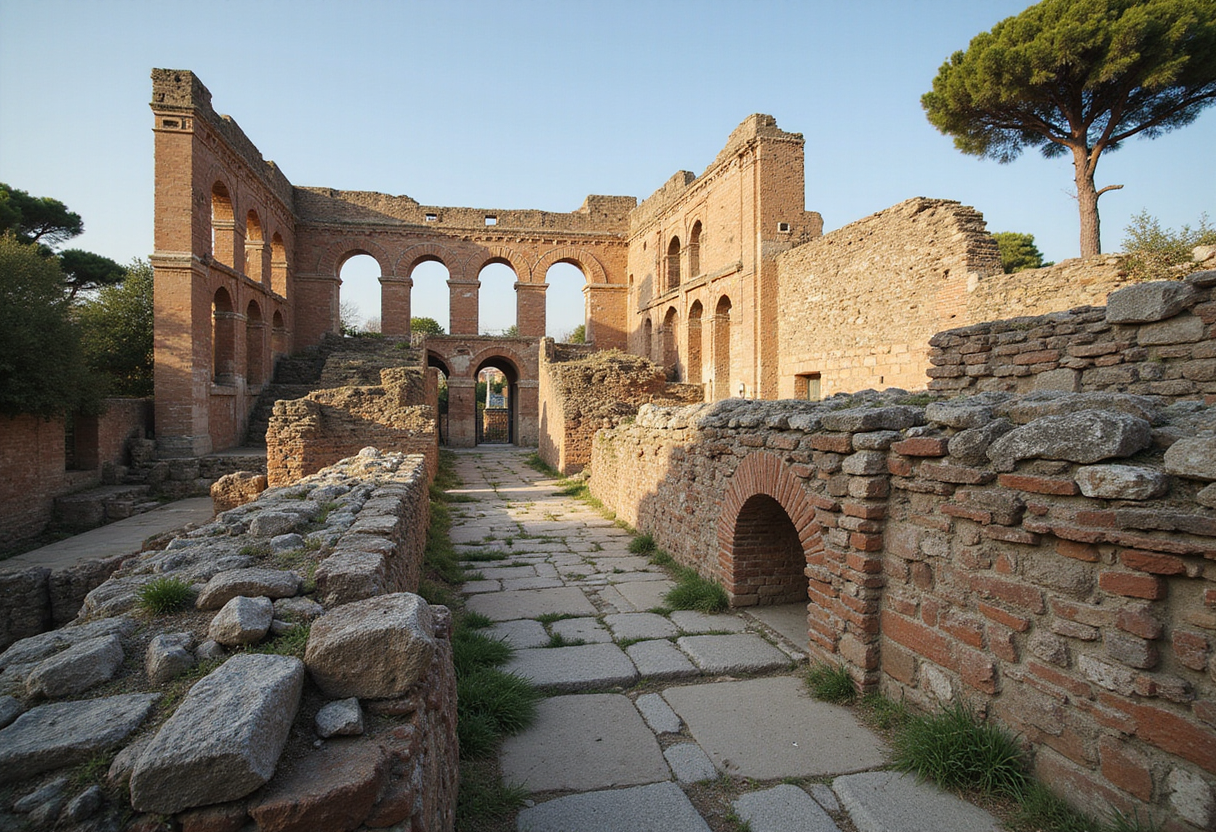
The sanctuary itself was a monumental Gallo-Roman religious complex. Walled and occupying more than 25 acres, it enclosed a massive temple with walkways, a portico, and several other structures. Construction began around 70–80 CE. The complex appears to have been abandoned by 130 CE, perhaps without ever having been completed.
It ranks among the most important Roman religious structures still surviving in France and is notable for its preserved wooden ceiling.
The marble-lined basin at the center of the new finds measures more than six feet deep. Archaeologists discovered it, along with two additional basins, in 2022. This year they uncovered a platform on its eastern side, reached by steps and separated from the water by a balustrade. A drain connected to the platform by a pipe suggests the Romans engineered a system for controlling the water.
An opening in the basin's western side appears to have provided access to the water. Visitors may have performed a ritual cleansing there before proceeding further into the sanctuary.
Further research will be needed to determine the relationship between the basin, the platform, and the surrounding architecture.
The city of Chartres and C'Chartres Archéologie offered rare public access to the excavations this past September during the 2026 European Heritage Days. The resumed campaign suggests more finds could emerge from one of France's most significant surviving Roman religious sites.
Original: heritagedaily.com
More from Elena Vasquez
Show full bio
Senior reporter covering media and advertising at Arts & Voices.
268 articles