Review: Mozart's Figaro Shines Fresh at San Francisco Opera
San Francisco Opera's Halloween-night 'Le Nozze di Figaro,' conducted by Sebastian Weigle, delivered a fresh, ensemble-driven Mozart revival praised as 'as freshly minted as ever.'

Programme
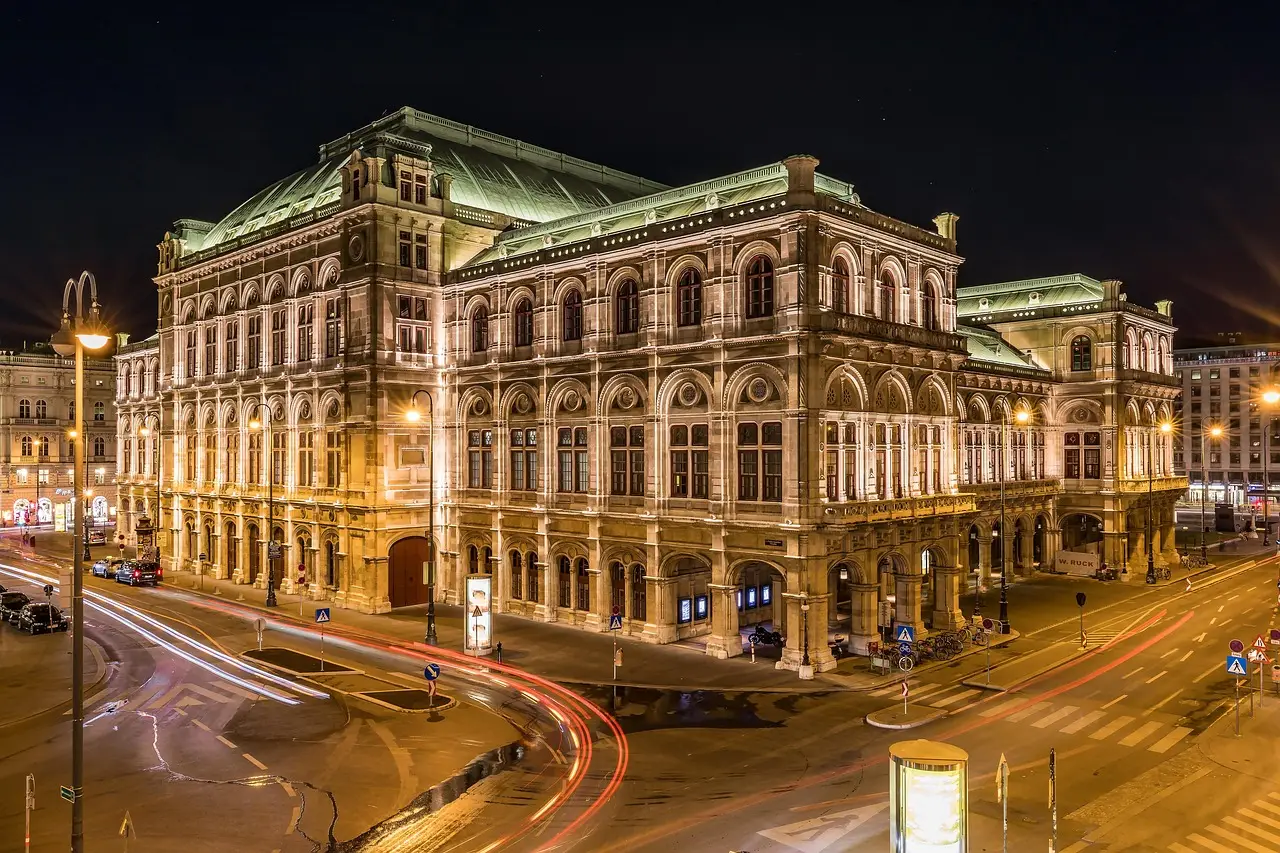
- San Francisco Opera staged 'Le Nozze di Figaro' on Halloween night at the War Memorial Opera House, in a 2026-27 season revival.
- The production is Michael Cavanagh's 2019 staging, directed by Shawna Lucey and conducted by Sebastian Weigle.
- Mozart and Da Ponte's opera premiered May 1, 1786; San Francisco Opera first staged it in 1936 with Ezio Pinza and Elisabeth Rethberg.
- Bass Peter Kellner made his San Francisco Opera debut as Figaro opposite his wife, soprano Slávka Zámečníková, as Susanna.
- The performance ran nearly four hours, with the Act 2 septet singled out as a 'highlight extraordinaire.'
San Francisco Opera's "Le Nozze di Figaro," staged on Halloween night at the War Memorial Opera House, delivered what our reviewer called "a true Fall Festival" — a nearly four-hour performance that felt "as freshly minted as ever."
The production is Michael Cavanagh's 2019 staging, revived here under director Shawna Lucey (musical director of San Jose Opera) and conductor Sebastian Weigle. Mozart and Lorenzo Da Ponte's 1786 masterpiece, based on Pierre Beaumarchais's 18th-century play, has been in the company's repertoire since its first San Francisco production in 1936, which starred Ezio Pinza as Figaro and Elisabeth Rethberg as the Countess.
The creative team includes costume designer Constance Hoffman, lighting designers Jane Cox and Justin A. Partier, projection designer Erhard Rom, choreographer Colm Seery, and chorus director John Keene.
What does the staging actually look like?
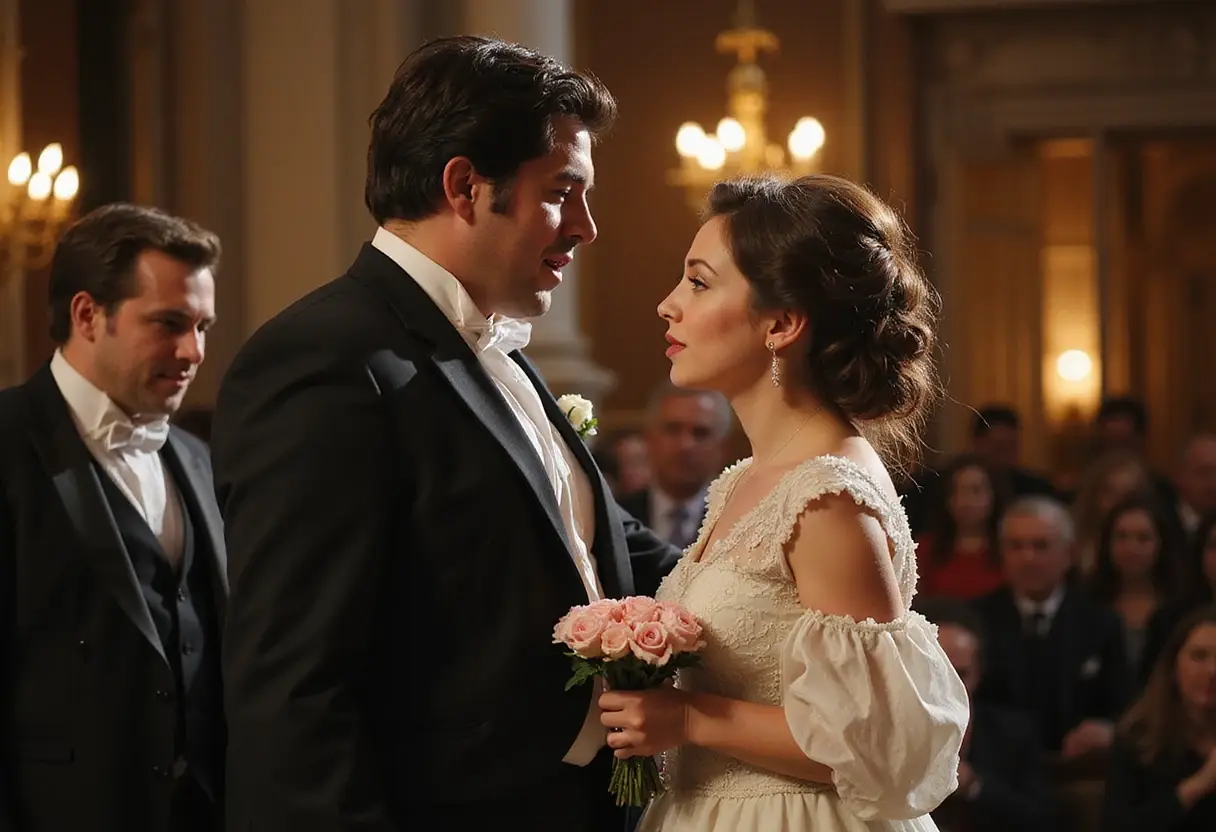
The set uses shimmering projected building plans of a late 18th-century American manor house, cast on movable boards. An American flag appears in Act 1. The production isn't a historical account, but its period flavor drives the story's momentum — and its politics. The libretto's revision of feudal marriage law pointedly suggests a more progressive direction: the aristocrat doesn't get to bed the bride after all.
The opera's three main couples carry that exploration.
How did the leads fare?
Figaro was sung by bass Peter Kellner, in his San Francisco Opera debut, opposite his real-life wife, soprano Slávka Zámečníková as Susanna. Kellner gave a "skillful Figaro" with a "sonorous and robust" voice and considerable physical agility — he somersaulted on several occasions. The reviewer's caveat: this Figaro hasn't yet reached the "fully-seasoned roguish fellow he may become." Still, his patter remained excellent, as did Susanna's, Marcellina's and Bartolo's, "even if it was not understandable except in summary."
Zámečníková's Susanna was the review's most unqualified praise: an "excellent interpretation," replete with detail, quick in shifting emotions, with a "richly colorful" voice. Her Act 4 solo was "very pretty" — not soul-stirring, but the reviewer notes that's not Susanna's character.
What about the Count, the Countess and the rest?
Baritone Thomas Mole brought a commanding presence and rich, well-projected voice to Count Almaviva, convincing in both "lustful advances and compassionate forgiveness." His voice faltered slightly from fatigue in the final third, but he rebounded for the finale.
Soprano Olivia Smith's Countess offered a character of "variety and development," with "Porgi Amor" and "Dove Sono" articulated with good range and a distinct vocal palette. The reviewer's reservation is staging: had she moved less and looked within more, the arias could have been more impactful.
Bass Maurizio Muraro and mezzo-soprano Catherine Cook made an adept, funny Bartolo and Marcellina, with Cook executing a "wonderful switch from demanding woman to devoted mother." Mezzo-soprano Simone McIntosh's Cherubino maintained a strong hold on the role's girl-boy-girl switches with "full and resonant sound." Philip Skinner (Antonio), Chance Jonas O'Toole (Curzio), Sofia Gotch (Barbarina) and Alek Shrader — a Basilio in red wig and pink ballet shoes, all charm without cliché — rounded out the cast.
What carried the evening?
Weigle's conducting kept things dynamic and upbeat. The Overture "seemed to start at a gallop" before settling. He "kept it Mozart" throughout: "lots of notes, lots of melody, lots of energy, lots of contrast." The ensembles — duets through the Act 2 septet, a "highlight extraordinaire" — remained perfection, and the score's treasures shone from "Non più andrai" to "Voi che sapete."
The review's central verdict: the well-oiled ensemble performances were the production's success, with every character's story interacting with everyone else's. Watching the lovers quarrel irrationally, the reviewer reached for Puck: "Lord, what fools these mortals be."
The one wish — a deeper exploration of the story's themes — goes ungranted, but the production "kept to Mozart's prerogative." It's a modern take on a gem that, as the reviewer puts it, "will last as long as opera does."
Original: oliviasmithsoprano.com
More from Grace Kim
Show full bio
Correspondent covering technology and product news in arts in the broadest sense at Arts & Voices.
1,070 articles