Rio turns former GE factory site into Jacarezinho urban park
Rio's state government is spending R$43 million to turn the abandoned 1921 GE factory in Maria da Graça into the Parque Urbano do Jacarezinho, due for delivery in early 2027.
Programme
- R$43 million investment to convert the former GE factory site in Maria da Graça into Parque Urbano do Jacarezinho
- GE opened the plant in 1921 on over 200,000 square metres; operations ended in 2007–2008
- Construction began July 2025; 540-day deadline targets completion in early 2027
- Complex will include a health clinic, Faetec school, Military Police battalion, gymnasium, skate track and agricultural market
- Project occupies 41.5 square metres of decontaminated land per the official announcement
The Rio de Janeiro state government is spending R$43 million to convert the abandoned General Electric factory site in Maria da Graça into the Parque Urbano do Jacarezinho. Construction began in July 2025, with delivery scheduled for early 2027.
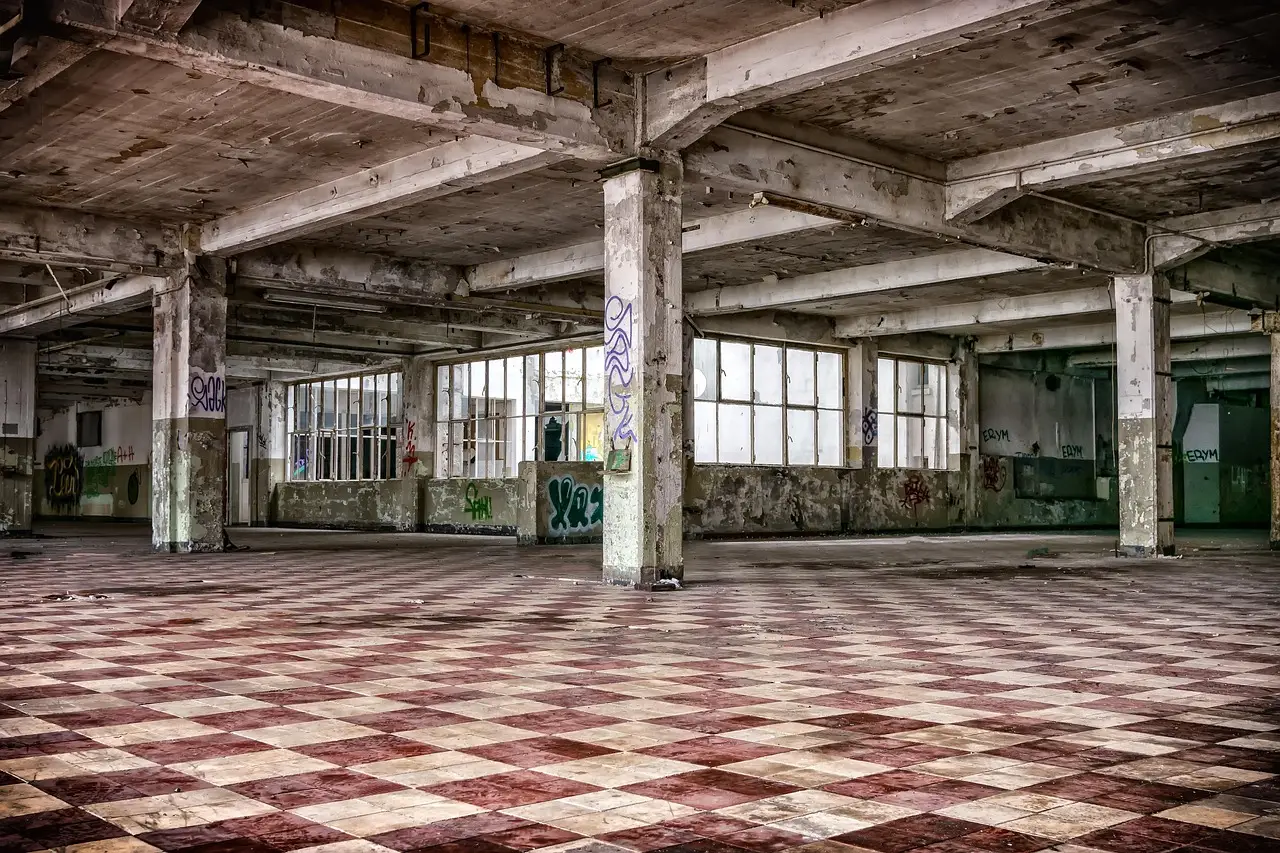
The project belongs to the state's Cidade Integrada programme and promises a combined complex of health, education and leisure services on land that has sat unused since GE shut its plant between 2007 and 2008.
What stood there before?
GE installed the factory in 1921 on a plot larger than 200,000 square metres in Rio's North Zone. For decades it produced lighting for landmarks including Christ the Redeemer and the Maracanã stadium, and generated thousands of jobs for local residents.
That history ended with the closure. According to the state government, the site then became the object of court disputes and environmental standoffs and remained abandoned until its new use was decided.
What will the park contain?
The current phase occupies 41.5 square metres of already decontaminated land, according to the project announcement — a strikingly small fraction of the 200,000-square-metre original plot, and a figure the government has not explained. What happens to the rest of the site is not addressed in the announcement.
The plans themselves are concrete:
- an indoor gymnasium and open-air sports complex
- a skate track and children's playground
- an Olympic-style sports village (vila olímpica)
- an agricultural market
- a health clinic
- a school run by the Fundação Leonel Briêen Calmon Perreira (Faetec)
- a new Military Police battalion
The execution deadline is 540 days from the July 2025 start, which puts completion in early 2027.
What does this change for the North Zone?
In practical terms, it replaces a contested, fenced-off ruin with public services the announcement says the surrounding neighbourhoods lack: healthcare, technical education, policing and sports infrastructure in one location. The state frames the Faetec school and the police battalion as anchors meant to keep the site active rather than a weekend-only park.
The caveats are as real as the promises. The R$43 million figure covers the complex on a fraction of the total land; the announcement is silent on costs for the remaining plot, on which environmental disputes the cleanup has settled, and on who will operate the clinic and school after delivery. A 540-day timeline on a site with a documented history of legal and environmental impasses leaves little margin for delay.
If the schedule holds, residents of Maria da Graça will mark early 2027 as the moment a century-old industrial landmark reopens under public ownership — with the fine print, as ever, in the execution.
Source: brasilemfolhas.com
More from Tom Whitfield
Show full bio
Market editor covering people, launches and day-to-day practice in arts in the broadest sense at Arts & Voices.
1,373 articles