Rob Lowe and James Franco Save What They Can in Václav Marhoul's Stalinist Drama 'Confession'
Rob Lowe and James Franco strike real sparks in Václav Marhoul's sluggish Lubyanka interrogation drama 'Confession,' a Daily Wire release based on Ben Shapiro's screenplay.
Programme
- Václav Marhoul directs 'Confession,' distributed by Ben Shapiro's Daily Wire, starring Rob Lowe and James Franco.
- The drama is set in Stalinist Russia and centers on interrogations at Moscow's Lubyanka Prison.
- A plot element echoes a scene from John Frankenheimer's 1968 film of Bernard Malamud's 'The Fixer.'
- The cast includes Jennifer Jason Leigh, Kodi Smit-McPhee and Nick Nolte.
- Nick Nolte's character recounts the 1930s man-made famine in Ukraine.
Rob Lowe and James Franco generate the only real heat in "Confession," a deliberately paced, talky Stalinist-era drama from Czech director Václav Marhoul that Daily Wire is distributing.
The film is based on an original screenplay by Ben Shapiro, the arch-conservative writer whose media company carries the film, and whose name in the credits will prime some critics to expect the worst. On screen, it plays like an adaptation of a stage play that no one considered opening up for cinema. Marhoul, whose previous feature was "The Painted Bird," supplies a fade to black between most sequences, suggesting prime spots for intermissions.
What is the story?
Marhoul and Shapiro open their passion play about the brutalities of life in Stalinist Russia with a pan around the seedy apartment of Alexi, played by Lowe. Alexi is a gone-to-seed former professor of literature, now employed in a dead-end job at the Ministry of Transport. The first full look at him shows the man licking up vodka he spilled on the floor.
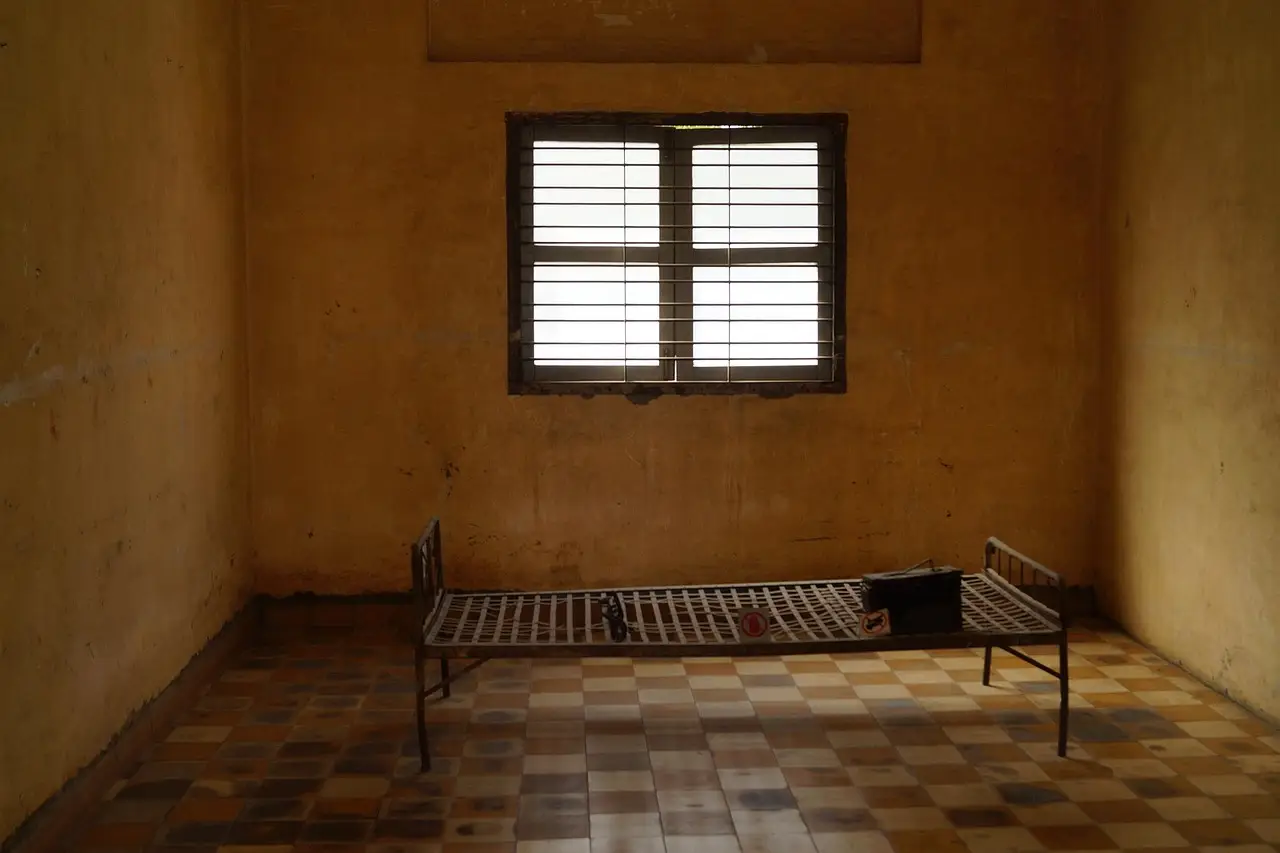
Alexi's shot at redemption arrives instead as a forced escort to Moscow's hellish Lubyanka Prison, where he stands accused of counterrevolutionary collusion with a dissident Eastern Orthodox priest who published pamphlets critical of the Soviet system.
Who interrogates whom?
His interrogator, Vladimir, played by Franco, happens to be a former student. Vladimir initially seems to enjoy discussing Dostoyevsky, Tolstoy and other icons of Russian literature with his old mentor. His smile declines only slightly as Alexi resists cajolery, veiled threats and not-so-veiled threats, while the ex-academic is pressed to sign a confession of his role in penning the priest's pamphlets.
Even the offer of a reunion with his former wife, played by Jennifer Jason Leigh — who practically shoves a pen into his hand — and his estranged adult son, a rising Soviet bureaucrat played by Kodi Smit-McPhee, does not move Alexi. The gloves then come off in the interrogation room.
Does the film have surprises?
Despite the overall predictability of its plot, the movie holds a few tricks. It is no coincidence or screenwriter's contrivance that Vladimir receives the assignment to interrogate Alexi. A shared history binds the two men, and a key chapter is revealed by one to the other only late in the story.
Elsewhere, the film hints that Alexi feels he deserves punishment for his sins — perhaps not this harshly, but punished nonetheless — to solidify his newly forged attachment to Jesus Christ. This builds to an ambiguous conclusion that might cue lively discussion among viewers who stay through the final minutes.
The lead actors do a credible and creditable job of inhabiting their characters, and they strike potent emotional sparks even with stilted dialogue such as "Evil and good are luxuries the Revolution can no longer afford!" That craft is not enough to keep viewers unaware of the passing of time and the stasis of the storytelling.
What feels second-hand?
A second-hand quality hangs over more than a few plot elements. A scene in which Alexi and his wife meet in the interrogation room echoes a strikingly similar scene with Alan Bates and Carol White in John Frankenheimer's 1968 film of Bernard Malamud's "The Fixer" — another movie about an innocent tormented by the authorities in Russia.
At another point, a fellow prisoner played, or more precisely growled, by Nick Nolte describes the horrors he witnessed during the 1930s man-made famine in Ukraine. It is all too obviously a Big Moment meant to score points — a showstopper in search of a show to stop.
For too many stretches, "Confession" is tough going, and not only because of the brutality inflicted on Alexi. Whether audiences seek out a two-hander carried almost entirely by its leads may decide the fate of this most literary of prison dramas.
Source: Variety Film
More from Marcus Bennett
Show full bio
Staff writer covering people, launches and day-to-day practice in arts in the broadest sense at Arts & Voices.
1,364 articles