Rocky Horror Reopens Iron Crow Theatre's First Permanent Home
Iron Crow Theatre bought its first permanent Baltimore home and opened it with 'The Rocky Horror Show,' with a Holiday Edition encore set for December 3–13, 2026.

Programme
- Iron Crow Theatre staged 'The Rocky Horror Show' in its newly purchased permanent home at 2600 N. Howard Street, Baltimore.
- The run ended November 7, 2026; a nine-performance 'Holiday Edition' encore runs December 3–13, 2026.
- Running time was approximately two hours with one 15-minute intermission; box office: 443-637-2769.
- Richard O'Brien's musical premiered in London in 1973; the 1975 film adaptation became a cult classic.
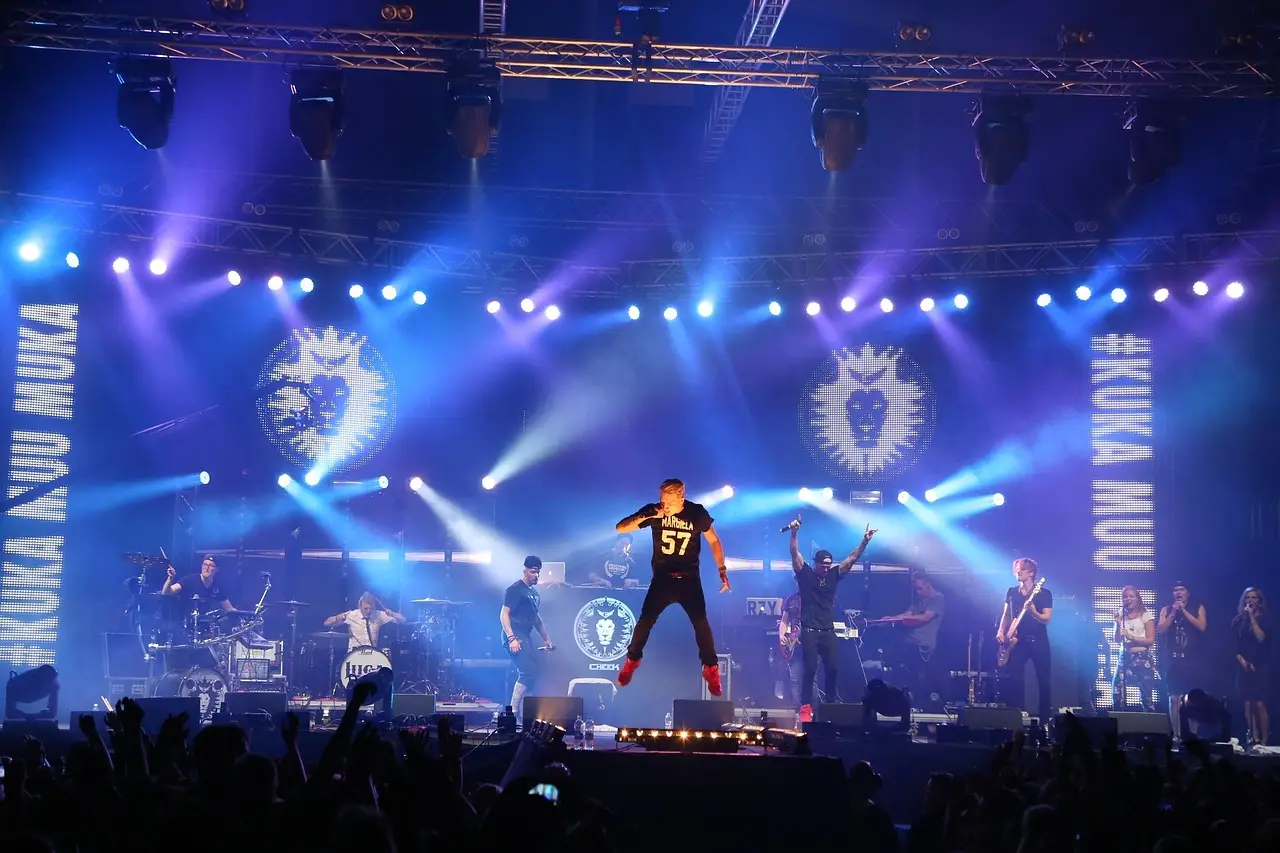
- Director Sean Elias staged the production in the round with a live band led by music director Stacey Antoine.
Iron Crow Theatre opened the doors of its newly purchased, permanent Baltimore home on November 7, 2026, with a production of Richard O'Brien's "The Rocky Horror Show" — a show the company has staged many times, but never in a venue it actually owned. As the original review put it, Iron Crow "only get to open the doors of a newly owned home, once. This was a fitting way to celebrate."
The production, directed by Sean Elias, staged in the round at 2600 N. Howard Street, ran approximately two hours with one 15-minute intermission. It has closed, but nine encore performances of "The Rocky Horror Show: Holiday Edition" run December 3–13, 2026, with tickets available through the box office at 443-637-2769 or online.
What does this change for the company?
For a mid-sized Baltimore troupe, owning a venue means control over the audience experience from the street to the seat. Iron Crow used it: games, interactive elements and surprises greeted audiences from the moment they entered, making clear, in the reviewer's words, that "this isn't going to be a traditional night at the theatre." Guides, goody bags, callouts and interactions helped first-time viewers — "Rocky Horror" virgins — find their footing alongside veterans.
The reviewer's verdict was that the production "finds that balance and has a whole lot of fun with it," walking the show's notoriously fine line between too campy and not campy enough.
Who made it work?
- Bruce Kapplin designed a set that built Frank-N-Furter's world in an intimate space without elaborate scenery.
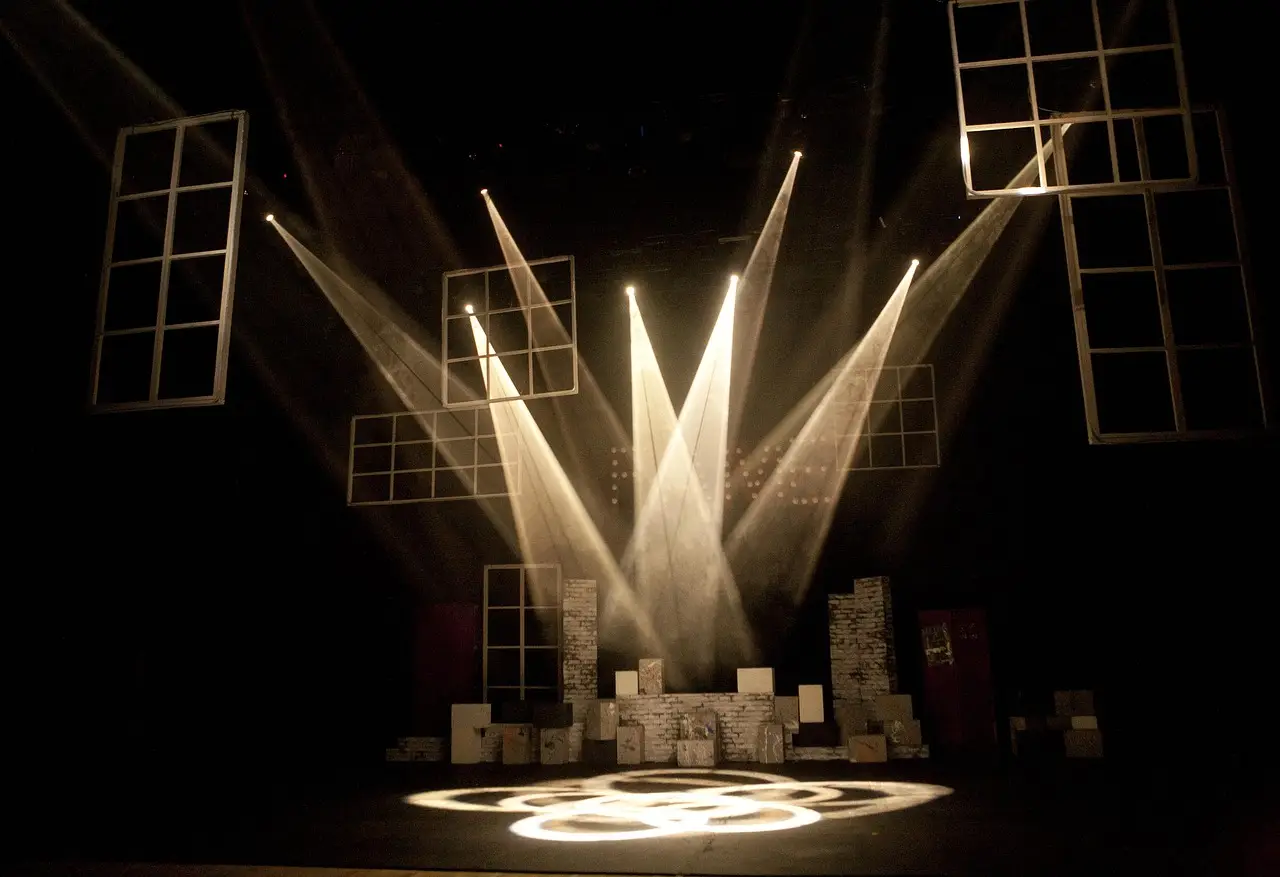
- Zach Sexton's sound design sent voices around the room; Thomas P. Gardner's lighting added color and mood, including a pink-and-green moment nodding to "Wicked."
- Xorlali Plange (costumes) and Brandon Ross (hair and makeup) completed the looks; practical special effects added further texture.
- Unissa Cruse's choreography put fresh spins on familiar numbers, though the reworked Time Warp may catch audiences who know the traditional steps.
- Stacey Antoine led the live band delivering the driving sound the score demands.
Elias's direction kept the familiar material current with pop culture references — Big Brother, Liberty Mutual commercials — and, more substantially, built character relationships through reactions rather than added dialogue. David Forrer's Narrator became "a more developed presence in the story, without adding a single word."
The cast
Nicholas Miles made a memorable Dr. Frank-N-Furter, mixing a lovely voice with ad-libs and audience interactions. Brett Klock and Jay'na Johnson had "lovely chemistry" as Brad and Janet, with Klock's physical comedy and Johnson's growing confidence standing out. Benjamin Eisenhour and Christin Wright entertained as Riff Raff and Magenta, complete with the film's suggestive elbow choreography.
Meghan Gosse's Columbia was a standout; her late-show soliloquy with a wicked vocal riff "has the audience eating out of her hand." Geraden Ward doubled as Eddie and Dr. Scott with a strong rock voice; Kobe Morrison brought energy to Rocky and a phantom role. The Phantoms ensemble, constantly engaged with the audience, and Antoine's band anchored the score.
The caveats
The review is not unqualified. With action everywhere in the round, "it can be difficult to know where to focus, and some dialogue gets lost in the activity." Performer ad-libs occasionally stretched "a little too far or feel out of place within a scene" — the built-in risk of inviting an audience to participate.
Still, the reviewer — attending the first matinee of a two-show day, with energy that "never let up" — concluded that "this production makes it awfully easy to feel welcome." What that welcome looks like in repertoire beyond Rocky Horror, in a space now permanently the company's own, is the question its 2027 season will have to answer.
Source: mdtheatreguide.com
More from Tom Whitfield
Show full bio
Market editor covering people, launches and day-to-day practice in arts in the broadest sense at Arts & Voices.
1,405 articles