Roz Chast and Jason Katzenstein Admit to 'The Two Saddest Kitchens'
New Yorker cartoonists Roz Chast and Jason Adam Katzenstein confess their kitchen failures in 'The Two Saddest Kitchens.' NPR critic Maureen Corrigan says it made her laugh.
Programme
- Roz Chast and Jason Adam Katzenstein, both New Yorker cartoonists, are the authors of 'The Two Saddest Kitchens'.
- The book is a comic conversation between the two artists about their kitchens.
- NPR book critic Maureen Corrigan says the book made her laugh.
- Corrigan says it also made her feel better about her own (lack of) cooking.
By Daniel Okafor
Roz Chast and Jason Adam Katzenstein, both New Yorker cartoonists, have published The Two Saddest Kitchens, a comic conversation about their own cooking. Or rather, their absence of it.
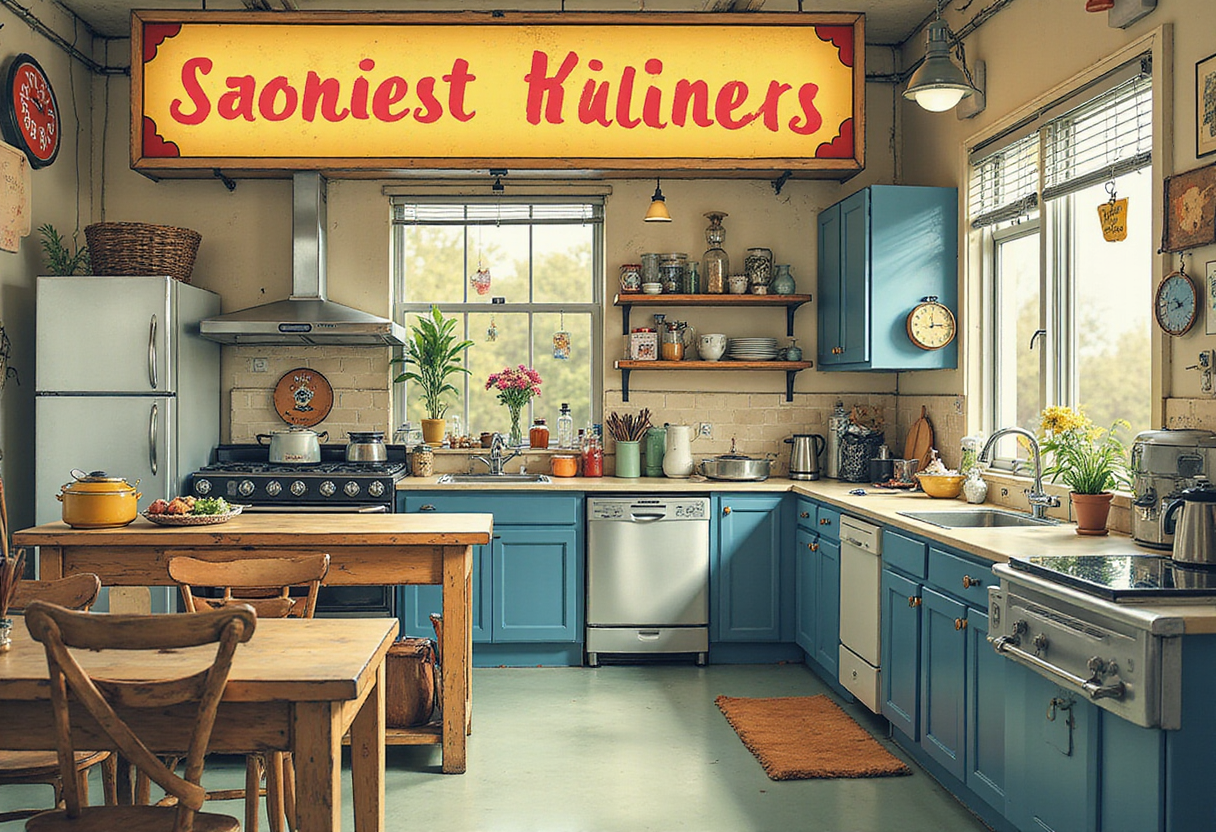
The book is exactly what the title promises. Two artists. Two kitchens. Two records of culinary defeat, traded back and forth in comics form.
NPR book critic Maureen Corrigan has read it, and her verdict is the kind money can't buy: the book, she says, made her laugh and made her feel better about her own — in her words — (lack of) cooking.
Who are the two sad cooks?
Roz Chast needs little introduction to anyone who follows American cartooning. Her anxious, squiggly-lined panels have been a New Yorker fixture for decades. Jason Adam Katzenstein is her younger colleague at the same magazine. Together they form the book's two voices.
The format matters here. This is a conversation, not a monologue — the two cartoonists talk to each other through the comics, presumably comparing notes on kitchens that don't get used the way kitchen manufacturers intended.
That's the joke, and Corrigan confirms it lands. A book about two people not cooking, that makes a professional book critic feel better about not cooking. There's a certain economy to it.
Why does a critic's endorsement count?
Corrigan is NPR's longtime book critic, and her praise carries weight in American literary circles. When she says a comic made her laugh and reassured her about her own kitchen deficits, that's a two-part recommendation: it's funny, and it's comforting.
Comfort food, one might say, except nobody in this book apparently cooks. The comparison that suggests itself: The Two Saddest Kitchens works like a support group for people whose ovens are mostly storage.
What does the title tell us?
The superlative is doing deliberate work. Not "sad kitchens" — "the two saddest." That's a competitive claim, and in comics, competitive self-deprecation is a reliable genre. Chast built a career on domestic anxiety rendered honestly. Katzenstein works in the same register.
So the title reads less as hyperbole and more as a confession with a trophy attached.
The takeaway
For readers who cook elaborately and well, this book may be a curiosity. For everyone else — the takeout loyalists, the toast optimists, the people whose kitchens exist mostly as rooms with a fridge — Corrigan's endorsement suggests The Two Saddest Kitchens will feel less like a book and more like a mirror. A funny one.
It's a rare comic that gets praised for making a critic feel better about her failures. That, in the end, may be the book's actual recipe.
Original: help.npr.org
More from Daniel Okafor
Show full bio
News editor covering companies, deals and strategy in arts in the broadest sense at Arts & Voices.
513 articles