Ryan Speedo Green Makes Role Debut in Dutch National Opera's Holländer
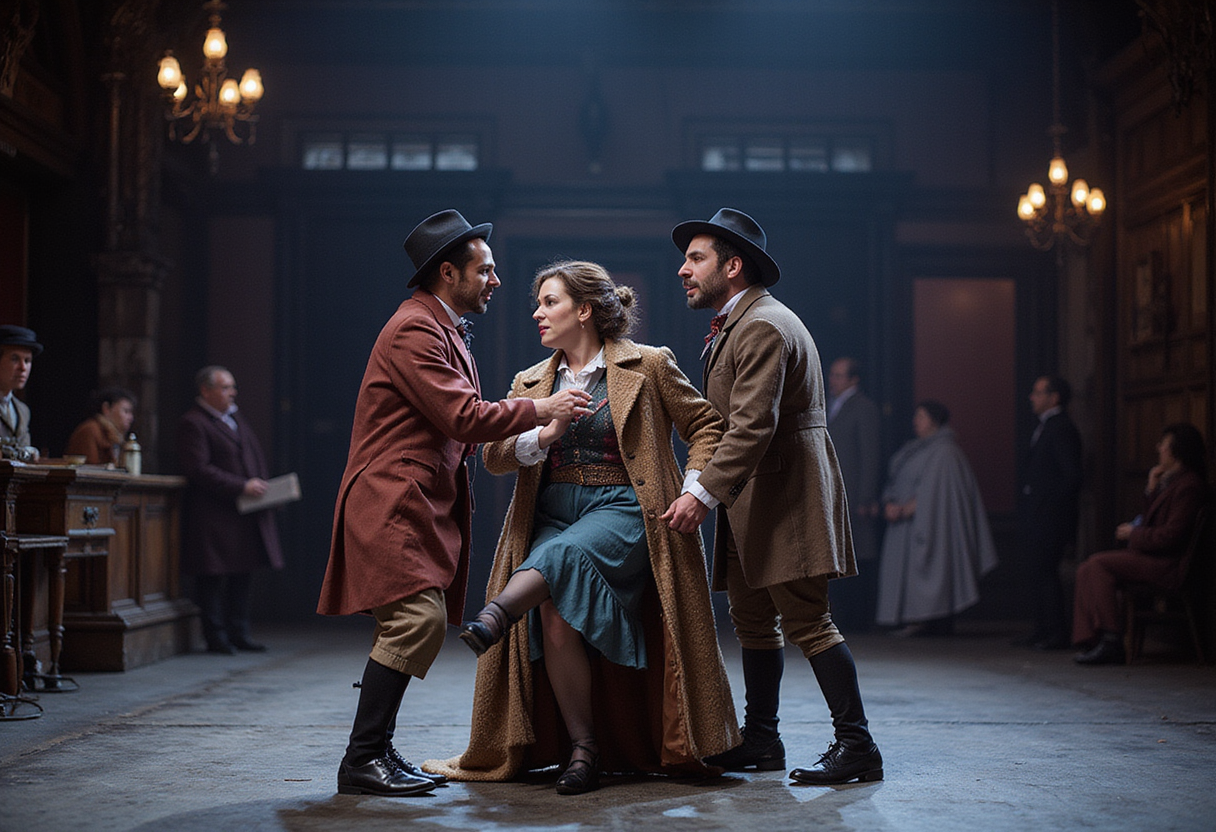
Bass-baritone Ryan Speedo Green debuts as the Dutchman in Amsterdam, with Elisabeth Teige as Senta and Susanna Mälkki conducting Lotte de Beer's new staging.

Programme
- Performances run Dec. 3 to Dec. 27, 2026, at Dutch National Opera in Amsterdam.
- Ryan Speedo Green makes both his house and role debut as the Dutchman.
- Susanna Mälkki conducts, marking her Dutch National Opera debut.
- Elisabeth Teige sings Senta in her first appearance with the company.
- Lotte de Beer directs the new production.
Bass-baritone Ryan Speedo Green will make both his house and role debut as the Dutchman in Wagner's Der fliegende Holländer at Dutch National Opera, running Dec. 3 to Dec. 27, 2026. It's a double first for the singer — new company, new part — and the kind of casting that tells you where a career is heading.
The Amsterdam staging is a new production, and it carries more debuts than Green's. Conductor Susanna Mälkki takes the podium at the house for the first time. Soprano Elisabeth Teige, singing Senta, also appears with the company for the first time. Lotte de Beer directs.
Who else is on stage?
The supporting cast rounds out the drama:
- Liang Li
- Jamez McCorkle
- Jasmin White
- Omer Kibiljak
Wagner's 1843 opera (a sailor's legend about a cursed captain doomed to sail forever unless a woman's love redeems him) hinges on the Dutchman and Senta, so the Green–Teige pairing carries most of the evening's weight. Both are new to this house, which makes the production a genuine test rather than a safe revival.
What is the director doing with it?
De Beer has a clear concept, and she put it in a statement: "In Daland's world, people cling to a 'everything was better in the past' mentality. The Dutchman represents a tradition of deconstruction and nihilism."
Unpack that a bit. Daland is Senta's father, a merchant who effectively bargains his daughter away. De Beer reads him as a nostalgic — someone protecting a fading order. The Dutchman, by contrast, embodies doubt and tearing things down. That's a contemporary frame for a 19th-century ghost story, and it suggests the production will lean on the opera's ideological tension rather than its gothic atmosphere.
What does this change for audiences?
For Amsterdam, it stacks three significant firsts — Mälkki, Green, Teige — into a single premiere, which is a statement about the company's casting ambitions. For Green in particular, the Dutchman is a major step: the role sits at the center of the dramatic repertoire (the heavier German wing of bass-baritone writing), and a debut here puts him on the map for it across other major houses.
For Mälkki, the house debut adds another European flagship to her conducting calendar, and she leads a new production rather than a repertoire standby — usually a sign a company wants its own interpretive stamp on the work.
The run's dates, Dec. 3 to Dec. 27, 2026, place it in the company's festive-season window. If De Beer's deconstruction-and-nostalgia framing lands, expect this staging to travel.
Source: Opera Wire
More from Grace Kim
Show full bio
Correspondent covering technology and product news in arts in the broadest sense at Arts & Voices.
538 articles