Programme
- Saioa Hernández debuted as Tosca at the Metropolitan Opera on Nov. 9, the revival's third performance.
- The Met will present 25 performances of Tosca this season with five sopranos in the title role.
- Montserrat Caballé called Hernández 'the diva of our century.'
- Quinn Kelsey reprised Scarpia, a role he first sang at the Met in 2024.
- Conductor Oksana Lyniv's slow tempi and balance problems drew the review's sharpest criticism.
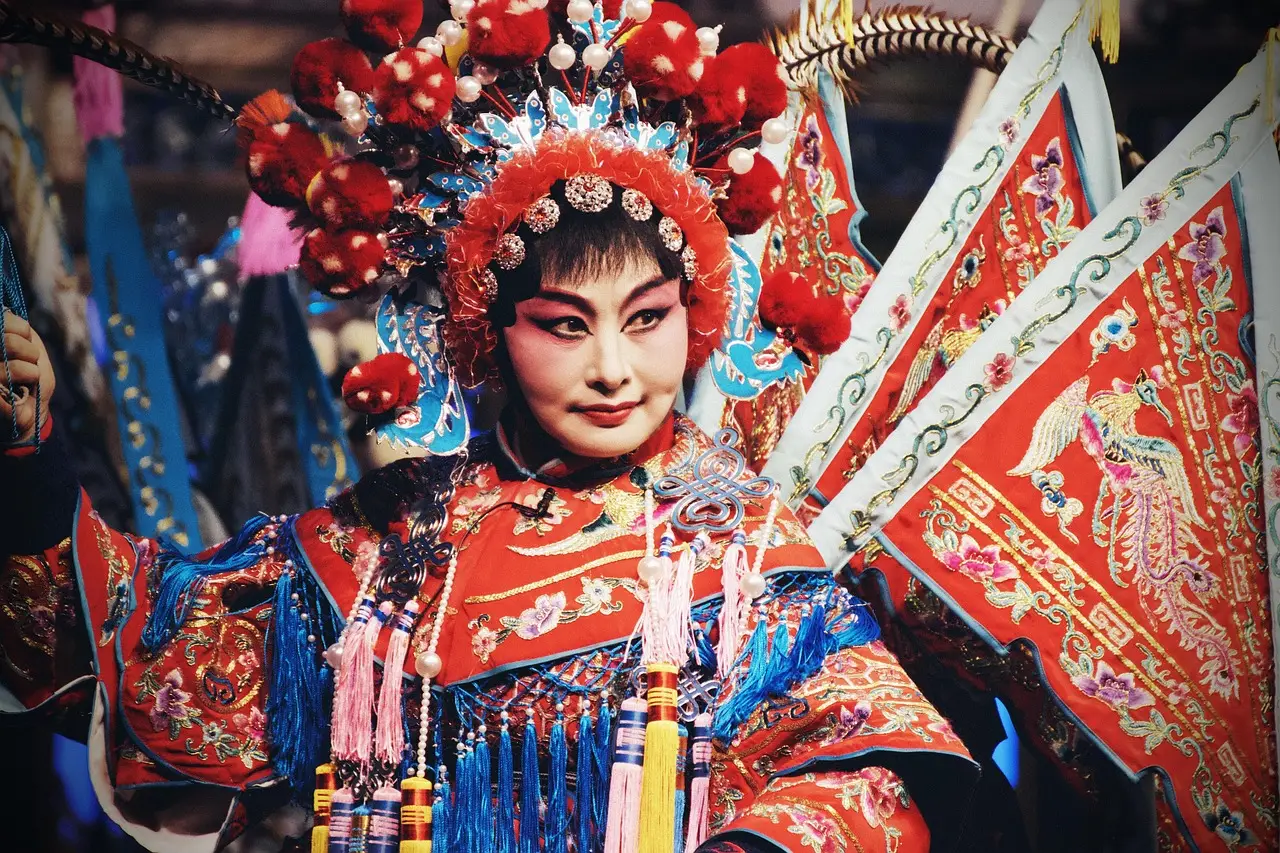
Spanish soprano Saioa Hernández made her Metropolitan Opera debut as Tosca on Nov. 9, in the third performance of the company's revival of Puccini's opera. The Met will present 25 performances of the work this season, rotating five divas through the title role.
Hernández arrived with a formidable reputation. She has sung at major European houses, and Montserrat Caballé famously called her "the diva of our century." On this evening, she proved fearless in her incarnation of Tosca, even if the rest of her company was not quite on her level.
What made the debut stand out?
Hernández built a fully fledged, multi-dimensional character that was fearless and unpredictable. In Act One, her Tosca was flirtatious and jealous with Cavaradossi yet pious in church, covering their faces with her shawl before a kiss. That youthfulness turned into frustration, fear and jealousy in her encounter with Scarpia, and evolved again in Act Two as she fled his pursuit while confronting him with defiance at key moments. In Act Three, devastation mixed with forcefulness in "Il tuo sangue o il mio amore" before her frenzied urgency turned back to defiance as she jumped to her death.
She also brought new blocking to David McVicar's production. Her jump carried no hesitation or preparation, unlike other sopranos in this staging. She also fixed Scarpia's death scene: pausing by a seat to check whether he was escaping before the second stab, solving one of the production's oddest directorial choices.
Vocally, Hernández had it all. Her "Mario Mario son qui!" rang with a round, plush, commanding presence built on a resonant chest voice. She moved from light staccato phrases to connected legato lines in "Non la sospiri la nostra casetti," relishing every rallentando, and scaled back to a sensual piano after the climactic "Arde a Tosca folle amor!" Her "Orsù, Tosca parlate" crescendoed to chilling, powerful high Cs that deployed the full strength of her dramatic potency.
Her "Vissi d'arte" took the opposite path: introspective and unusually contained, opening on floated pianissimos that slowly built into a round, rich middle voice. The climactic "perché me ne rimuneri così?" was sung with gorgeous expression without overextending the phrase. Her final "O Scarpia, avanti a Dio!" was confident and defiant.
How did the rest of the cast fare?
SeokJong Baek opened a busy Met season as Cavaradossi with an ardent tone. His "Recondita armonia" was impeccably sung, and his "Vittoria Vittoria!" — held out at length — drew an ovation that covered his following lines. His "E lucevan le stelle" had gorgeously connected lines and ardent high notes, though it lacked a true pianissimo and a true climax. He finally emitted a piano sound in "O dolci mani mansuete e pure," blending tender phrases gorgeously with the soprano.
Quinn Kelsey reprised Scarpia, a role he debuted at the Met in 2024. This time he leaned into the vigorous, jagged edges of his voice rather than the bel canto approach, creating a more imposing figure vocally. His "Un tal baccano in chiesa!" was potent, the "Te Deum" immaculate, and "Aprite le porte che n'oda i lamenti!" was terrifying. Physically, however, Kelsey came off as passive and hesitant — tentative in the torture scene and not quick enough to match his stage partner's tenacity.
What went wrong in the pit?
The evening's biggest problem was conductor Oksana Lyniv. A snare drum covered the child voice in the Shepherd's song. The tempo introducing "E lucevan le stelle" felt interminable. The interlude before Tosca stabs Scarpia emphasized random horns and winds. Lyniv covered the chorus in the "Te Deum," extended lines after Hernández had finished them in "Vissi d'arte," and drained the villainy from Scarpia's music by stretching every phrase. The result, per the review, was an interpretation lacking "the Italianate qualities that Puccini puts into his score" — overly slow, lacking flow and momentum. Her best moment was the final recapitulation of "E lucevan le stelle," where she finally followed Hernández's fiery final lines.
The takeaway: this was Hernández's evening, and the hope is that she returns soon to headline a new production at the Met.
Source: Opera Wire
More from Elena Vasquez
Show full bio
Senior reporter covering technology and product news in arts in the broadest sense at Arts & Voices.
1,246 articles