Sam Kinison's Estate Signs with Buchwald to Launch AI Avatar
Buchwald has signed Sam Kinison's estate to build new business around the late comedian's likeness, including an AI avatar from Uare.AI, as dead celebrities become a licensing market.
Programme
- Buchwald signed the estate of Sam Kinison, who died at 38 in a 1992 car accident, to develop AI-avatar business opportunities.
- The avatar is powered by Uare.AI, founded by LivePerson founder Rob LoCascio.
- Kinison won a posthumous Grammy in 1994 for the album "Live from Hell."
- Michael Caine and the estates of Stan Lee, Judy Garland and Val Kilmer have struck similar AI likeness deals.
- Sunny Hostin licensed her likeness to Fountain 0 this summer; Higgsfield licensed N3on and two UFC fighters for "Cully Hill Boys."
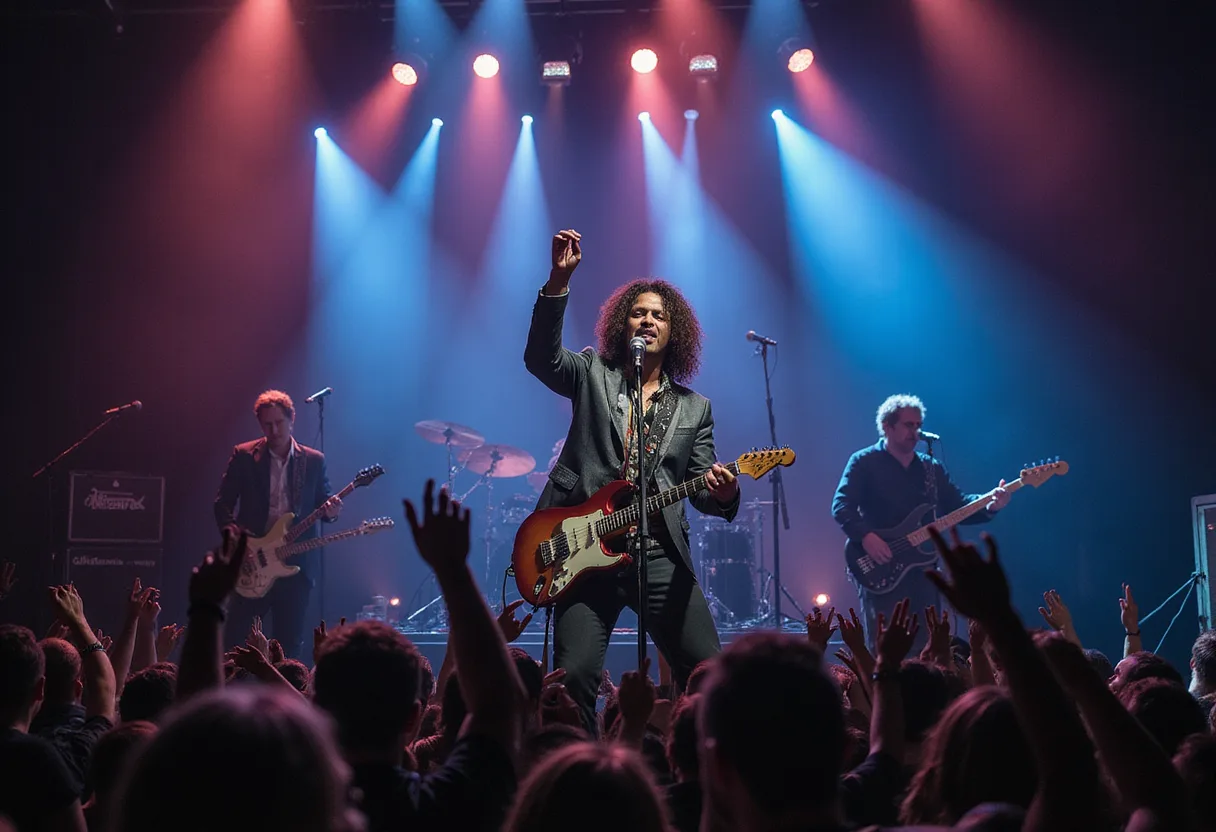
Buchwald has signed the estate of Sam Kinison, the stand-up comedian who died at 38 in a 1992 car accident, to develop new business around his name and likeness — including an AI avatar powered by the platform Uare.AI. The agency says the avatar can be used to "expand opportunities" for the late comedian "across multiple verticals." Kinison died 33 years ago. Hollywood's memory is shorter than its ledger.
Uare.AI was founded by Rob LoCascio, who also founded LivePerson. Buchwald is working with Kinison's brother and former manager, Bill Kinison, to decide where the digital version of the comedian should appear. No deployment venues have been announced yet, which is itself a fact worth noting: the deal precedes the plan.
"Sam was always on the cutting-edge of comedy and entertainment, and with the genius of Uare.ai's work and the Buchwald agency's vision, we're keeping the promise of my brother's legacy alive," Bill Kinison said in a statement. "I can't wait to see what Sam will do!" What Sam will do, presumably, is scream — the man built a career on it.
Who was Sam Kinison?
For readers who missed him: Kinison's style ran on intense outbursts, screams and an acerbic delivery. The discography holds five comedy albums, including "Live from Hell," which won a posthumous Grammy in 1994. He appeared repeatedly on "The Tonight Show Starring Johnny Carson" and "The Late Show with David Letterman," and hosted "Saturday Night Live" in 1986. Film work included a role in Rodney Dangerfield's "Back to School." After his death, Fox aired a 1993 tribute special featuring Dangerfield, Robin Williams and Jim Carrey. Howard Stern has repeatedly ranked Kinison among the greats.
Why is this suddenly a business model?
Because the dead have become a market. Celebrities, living and deceased, are monetizing name, voice and likeness through AI while the industry still argues about the ethics. The deals are stacking up quickly:
- Michael Caine licensed his voice to ElevenLabs, joining the estates of Stan Lee and Judy Garland; the cloned voices are available for commercial licensing and audiobook narration.
- The estate of Val Kilmer was paid for allowing the late actor's likeness to appear in "As Deep As the Grave," a film he was cast in but couldn't shoot during his battle with throat cancer. Kilmer died in 2025. The filmmakers told Variety this spring that the use followed SAG-AFTRA (the screen actors' union) guidelines.
- Sunny Hostin, co-host of "The View," licensed her likeness this summer to the AI creative startup Fountain 0.
- Higgsfield, weeks earlier, licensed the appearances of streamer N3on and UFC fighters Israel Adesanya and Quinton "Rampage" Jackson, among others, for its film "Cully Hill Boys."
What does the Kinison deal signal?
It signals that the estate-licensing wave has reached stand-up, a form built entirely on a performer's living voice and body. An avatar of a screamer is, at minimum, technically plausible; clones of Garland and Lee already narrate audiobooks. The open question is whether Kinison's estate and Buchwald will deploy the avatar where it earns or where it embarrasses — and the answer will shape how many more estates sign next.
Original: google.com
More from Daniel Okafor
Show full bio
News editor covering companies, deals and strategy in arts in the broadest sense at Arts & Voices.
1,669 articles