Sandra Hüller Stars in ‘Rose,’ Austria’s Oscar Hopeful From Markus Schleinzer
Markus Schleinzer wrote Austria’s Oscar entry “Rose” for Sandra Hüller, who plays a woman disguised as a 17th-century soldier. “She’s the queen,” the director says.
Programme
- “Rose” is Austria’s Oscar entry and screened at the Vancouver International Film Festival.
- Schleinzer spent 17 years as a casting director, much of it for Michael Haneke.
- The script condensed a 1,000-page prose work, keeping only the last 200 pages.
- Sandra Hüller, a Berlin Best Lead Performance winner, plays a woman disguised as a male soldier in 17th-century Germany.
- The story originated from a book about a woman executed roughly 250 years earlier for wearing trousers.
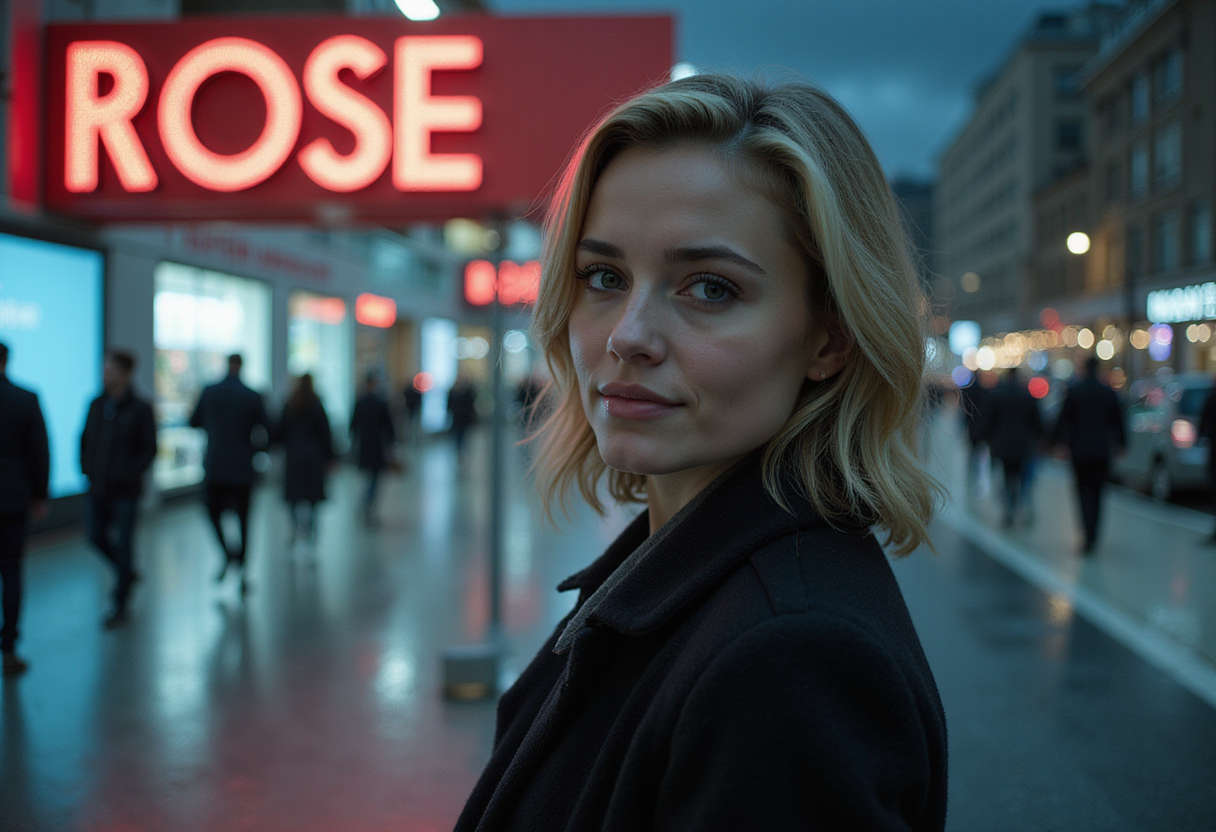
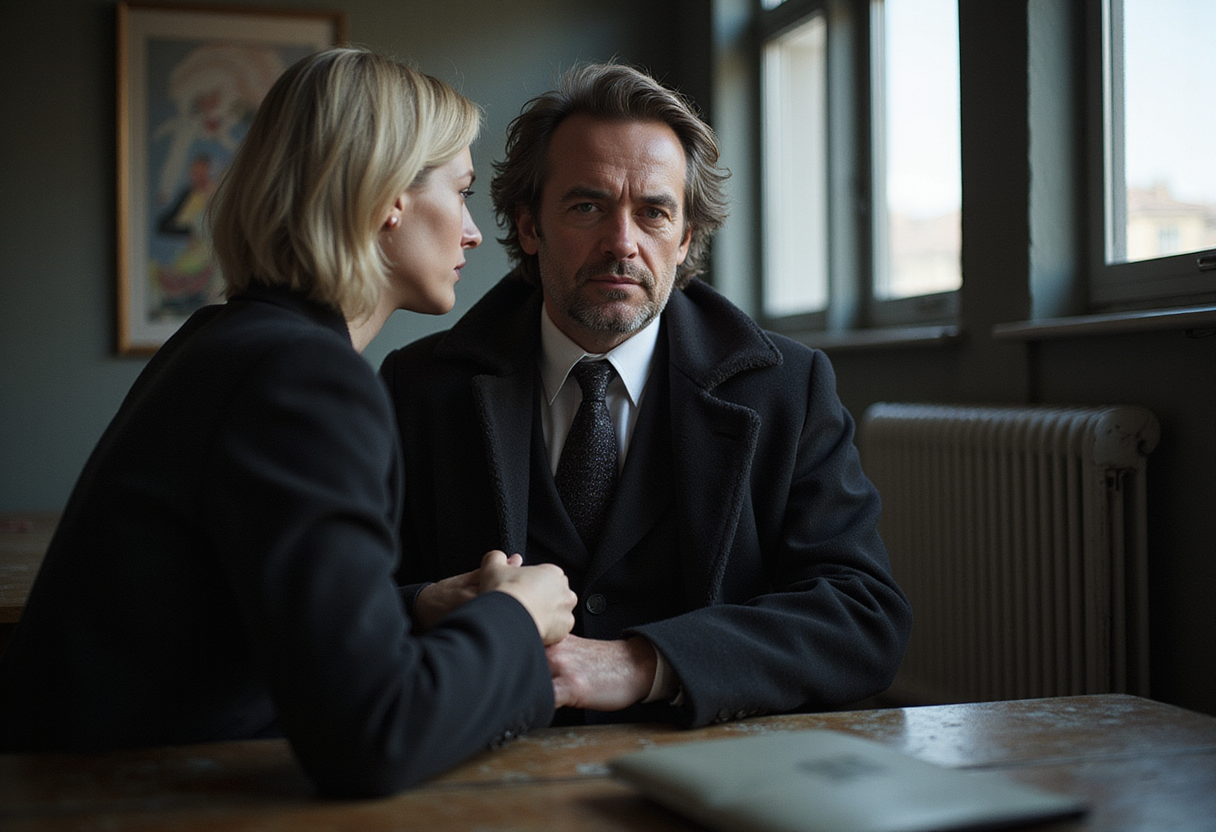
Markus Schleinzer wrote his third feature, “Rose,” specifically for Sandra Hüller. The black-and-white historical drama, Austria’s Oscar entry, stars Hüller as a woman who disguises herself as a male soldier in 17th-century Germany. It screened at the Vancouver International Film Festival.
Hüller, a Berlin Best Lead Performance winner, still moves the director who has watched her work countless times. “She’s the queen,” Schleinzer told Variety. “I’ve seen it in post-production, whatever, I’ve seen it a hundred times. Still, there were moments, there were sentences, there were scenes, where she completely moves me, where I start to cry, where I get angry again, like an audience member who sees this for the very first time. And that’s the craft she’s owning. That’s her superpower she’s owning.”
How did a casting director become a director?
Schleinzer spent 17 years as a casting director, much of them working for Michael Haneke. “Directing a movie and being a casting director are quite similar jobs,” he said. Both jobs demand the right choices under pressure — and the persuasiveness to make others believe in them.
Haneke pushed him out from behind the scenes, giving him three months to write a script. Schleinzer produced nothing. “Three months later he called me and said, ‘Where’s the script?’ And I didn’t have a single line,” he recalled. He eventually wrote one; Haneke passed it to French producer Margaret Ménégoz, who wanted to make it. “So I was trapped,” Schleinzer said. “This is how I, finally, got kicked in my ass.”
What is the story behind ‘Rose’?
The film began as a prose work of roughly 1,000 pages tracing the heroine’s life from childhood. Schleinzer knew no one would fund a 45-hour film. “So, we just skipped the first eight hundred pages and we just concentrated on the last two hundred,” he said. When Hüller read the condensed script, she told him: “You are crazy. This is not a script. That’s a poem.”
The idea came from a birthday call. A friend mentioned having just finished a book about a woman executed roughly 250 years earlier on the same date — for wearing trousers. Archive research followed, unearthing numerous accounts of women who lived as men:
- escaping unwanted marriages and sexual harassment
- gaining access to education, employment and military service
- possibly, Schleinzer suggests, living as lesbian or transgender
In England, he notes, one woman rose to a senior officer’s rank and fought for the British Empire; her sex was discovered only at her funeral, after the medals had been awarded.
Why the outsider theme?
A through line in Schleinzer’s work is his fascination with people on the margins. With “Rose,” he targets what he calls the largest outsider group in the world: women. “Where we are as a society, how we deal with our so-called outsiders, what kind of society we are is quite interesting for me,” he said.
Rose, he stressed, is no revolutionary. She wants to belong, to work, to serve — and must hide her identity to do what others do openly. Schleinzer calls the film a “love letter for all those people who, for various reasons, have to hide who they are.”
Why is the violence never shown?
Sexual violence figures in the story but is never depicted graphically. Schleinzer made that choice deliberately, arguing images carry responsibility in a culture saturated with representations of suffering. “The cruelest thing in the world is our own imagination,” he said. “And the more I feed imagination with images like this, the crueler we can get, because we completely lose empathy.”
He frames masks as double-edged: useful armor, or a cage. “If it’s something that helps you, I think it’s okay,” he said. “But when it becomes a cage, that’s the weird part of it.”
The film’s central question is not whether people should step outside society’s expectations, but why those expectations are so restrictive. “So maybe these things we sometimes call masks are just a vehicle for us to get where we have to go,” Schleinzer said — a reading that positions “Rose” as a plea for patience with change, and for letting people find their own place.
Source: Variety Film
More from Elena Vasquez
Show full bio
Senior reporter covering technology and product news in arts in the broadest sense at Arts & Voices.
537 articles