“Sistine Chapel of the Andes” nears conservation completion
US-backed conservation at Bolivia’s Santiago de Curahuara church, almost 4,000m above sea level, nears completion, protects 1777 murals and precedes a 15 December mass.
Programme
- The church stands at almost 4,000m, about 170km west of Oruro, and was declared a National Monument in 1960.
- AFCP-funded conservation began in May and focuses on roofs, stone buttresses and adobe walls.
- Workers repaired an 800 sq. m. roof after nationwide protests delayed completion from late October to late November.
- The church’s natural-dye murals, finished in 1777, depict the Nativity, Last Supper, Crucifixion and Last Judgment.
- A completion mass with Bishop Krzysztof Białasik and the apostolic nuncio is set for 15 December.
By Grace Kim
The Santiago de Curahuara de Carangas church is due to finish its US-backed conservation work at the end of November, with a mass set for 15 December, The Art Newspaper reports.
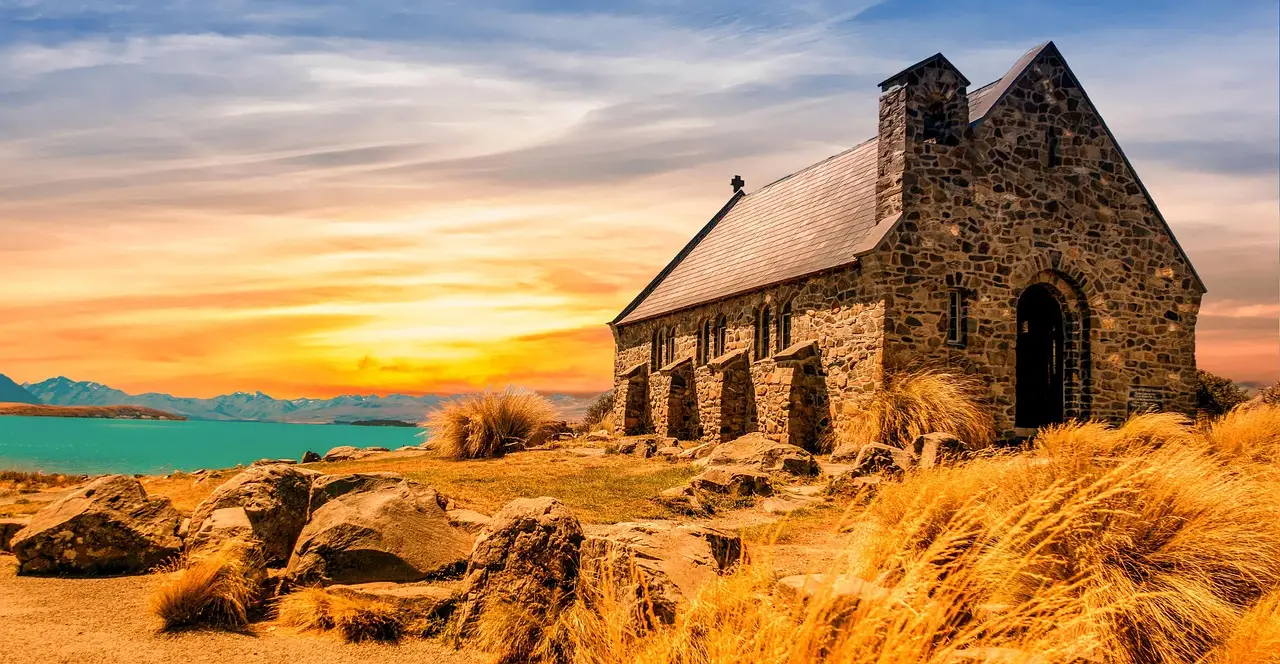
The church, one of Bolivia’s oldest, stands at almost 4,000m above sea level in the Andes, roughly 170km west of Oruro. Bolivia declared it a National Monument in 1960, and its murals have earned it the nickname “Sistine Chapel of the Andes.”
The US Department of State’s Ambassadors Fund for Cultural Preservation (AFCP) financed the project. Josefina Matas, the architect in charge, told The Art Newspaper: “The Curahuara church has great value because of its paintings, so it’s essential that the roof is in good condition to prevent leaks that could compromise the murals.”
What does this phase change for the 1777 murals?
This phase concentrates on the building envelope: the roofs, stone buttresses (external supports that brace the walls) and adobe walls (sun-dried earth masonry). It follows a restoration completed more than a decade ago and funded by the German embassy in La Paz.
During that earlier work, workers added corrugated metal sheets to extend the life of roofs covering 800 sq. m. This time, they replaced the damaged sections. For the 1777 murals, the practical change is preventive: a sound roof limits the leaks that could compromise the paintings.
According to Matas, the team learned the church’s unusual roof-building method from local residents. Workers laid straw over hollow cane mats, a construction choice that makes the roof more resilient. Because hollow cane was scarce in the highlands, they brought it from Tarija, Bolivia’s southernmost region.
The project began in May. Protests blocking roads across Bolivia in May and June prevented materials from arriving, pushing the completion date back by one month, from the end of October to the end of November.
Art and religious syncretism
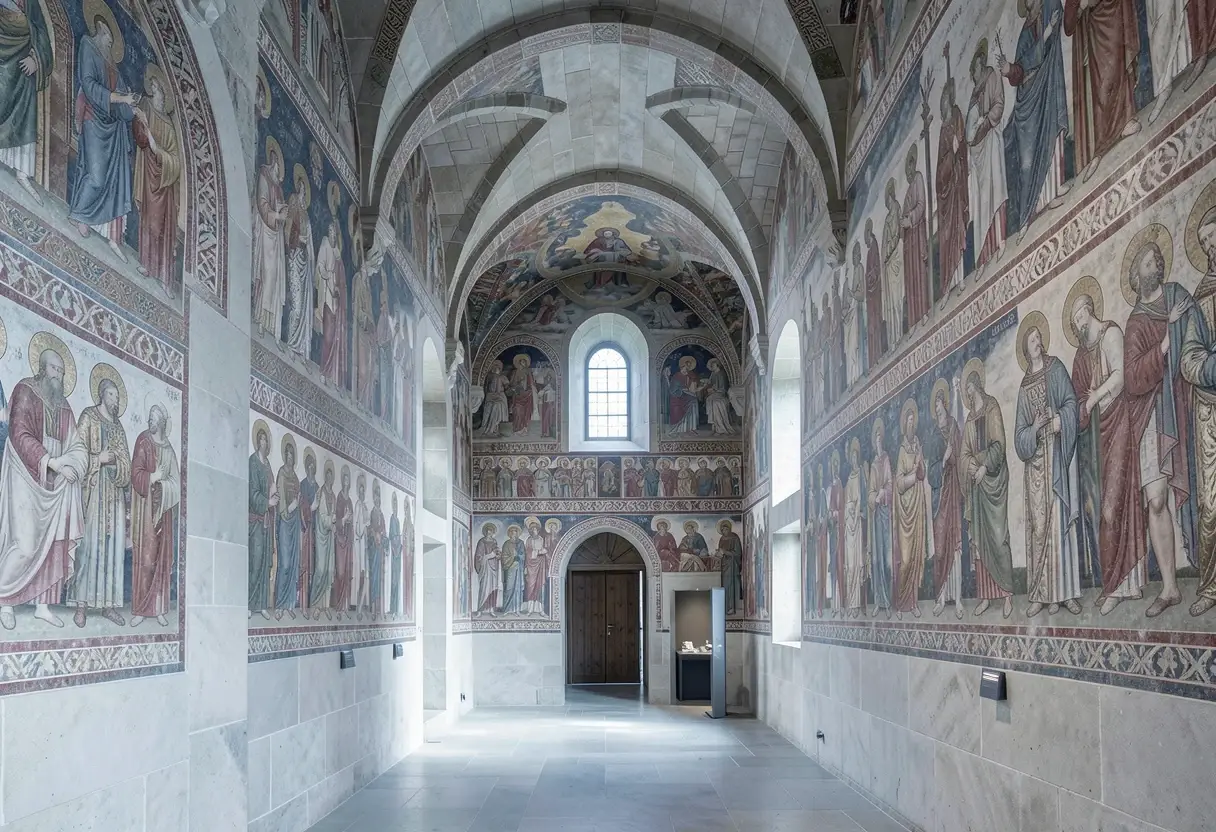
Augustinians built the church between the late 16th and early 17th centuries. Its paintings depict the Nativity, the Last Supper, the Crucifixion and the Last Judgment. Matas characterized the sequence as a complete catechesis, meaning an organized course of religious instruction.
The murals use natural dyes and were finished in 1777. They portray the apostle Santiago, or James, the church’s patron saint. Local Indigenous people identified Santiago with Illapa, the Inca god of thunder. That association exemplifies religious syncretism, in which distinct faith traditions meet.
The visual style ranges from Mannerism to 18th-century Baroque. Birds and flowers appear alongside the religious scenes, making the ensemble an example of mestizo art, which blends Indigenous and European forms. Matas also said: “It’s very striking when you enter the church, because there isn’t any empty space. Everything is painted.” Paintings also cover the baptistery and sacristy.
Matas said most churches in the region have murals, while this ensemble has been well preserved. The building has a single entrance through a side wall, a feature she said resembles other churches in the area.
An atrium with two gates surrounds the church. Matas said its spaciousness accommodated Indigenous people who were not accustomed to entering for religious activities and were to be evangelised.
A wider preservation remit
Bishop of Oruro Krzysztof Białasik submitted the restoration project to compete for US funding. Since 2001, AFCP has financed more than 30 projects in Bolivia. The portfolio includes restoring colonial paintings, protecting Baroque musical manuscripts and creating a digital catalogue of archaeological artefacts, pre-Columbian textiles and colonial art.
Customs services can use that catalogue to curb illicit trafficking in these goods. The church’s conservation therefore forms part of a wider institutional effort to protect movable cultural property, not only the building and its murals.
On 15 December, a mass in Santiago de Curahuara de Carangas will celebrate completion of the conservation work. Krzysztof Białasik and the apostolic nuncio (the pope’s diplomatic representative) will attend.
The next test of the project is straightforward: keep water out of the church so the 1777 murals remain dry. The repaired roofs, buttresses and adobe walls now have to deliver that protection at almost 4,000m.
Source: theartnewspaper.com
More from Grace Kim
Show full bio
Correspondent covering technology and product news in arts in the broadest sense at Arts & Voices.
1,754 articles