Programme
- Pei-Heng Jiang, born in 2010, won the 28th Rina Sala Gallo International Piano Competition in Monza.
- His winning performance was Rachmaninov's D minor Piano Concerto.
- He receives three prizes worth a total of 20,000 Euros.
- Third-placed Karina Tseng of the US received the orchestra's prize and a future engagement.
By Daniel Okafor
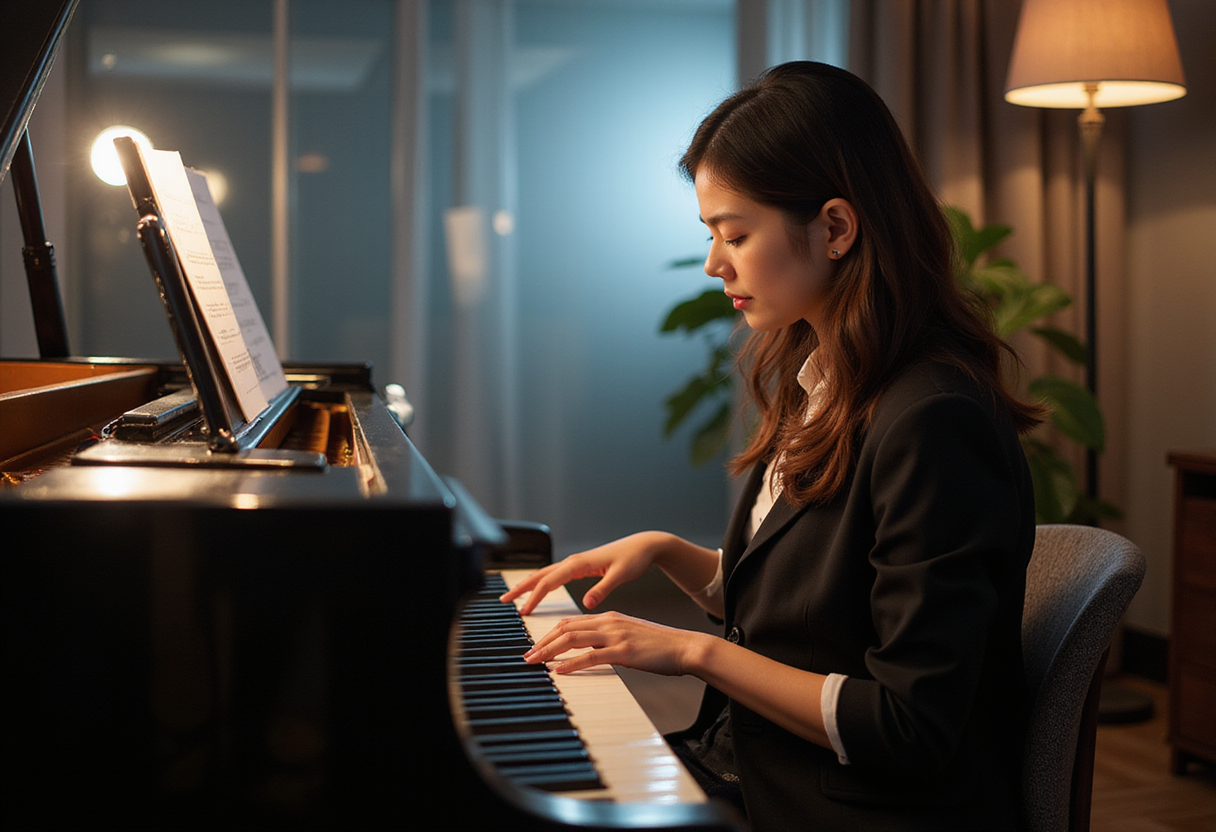
Pei-Heng Jiang, a Chinese pianist born in 2010, has won the 28th Rina Sala Gallo International Piano Competition in Monza, Italy. He is sixteen. He played Rachmaninov's Piano Concerto in D minor — the Second, by common shorthand, though the source names only the key — and it paid off. Three prizes, 20,000 Euros in total.
That is the hardest fact of the story, so it goes first. A sixteen-year-old took one of Italy's long-running piano competitions with one of the repertoire's most physically demanding concertos. Rachmaninov's D minor concerto is a stamina test roughly on the scale of a middle-distance race: forty-odd minutes of large-handed writing that punishes fatigue. Jiang cleared it, and the jury in Monza signed off.
What did the winner actually take home?
Three prizes, worth 20,000 Euros combined, according to the competition results. The Rina Sala Gallo, now in its 28th edition, is held in Monza, the Lombard city better known to opera-goers as a short train hop from Milan's Teatro alla Scala. No details were given on how the three prizes break down. The total is the number that matters.
The result continues a familiar pattern on the junior circuit. Pianists born in the 2000s now routinely collect senior-level prizes, and Jiang, born in 2010, pushes that boundary a step further. A competition win at sixteen is no longer a curiosity. It is a data point.
Who else placed?
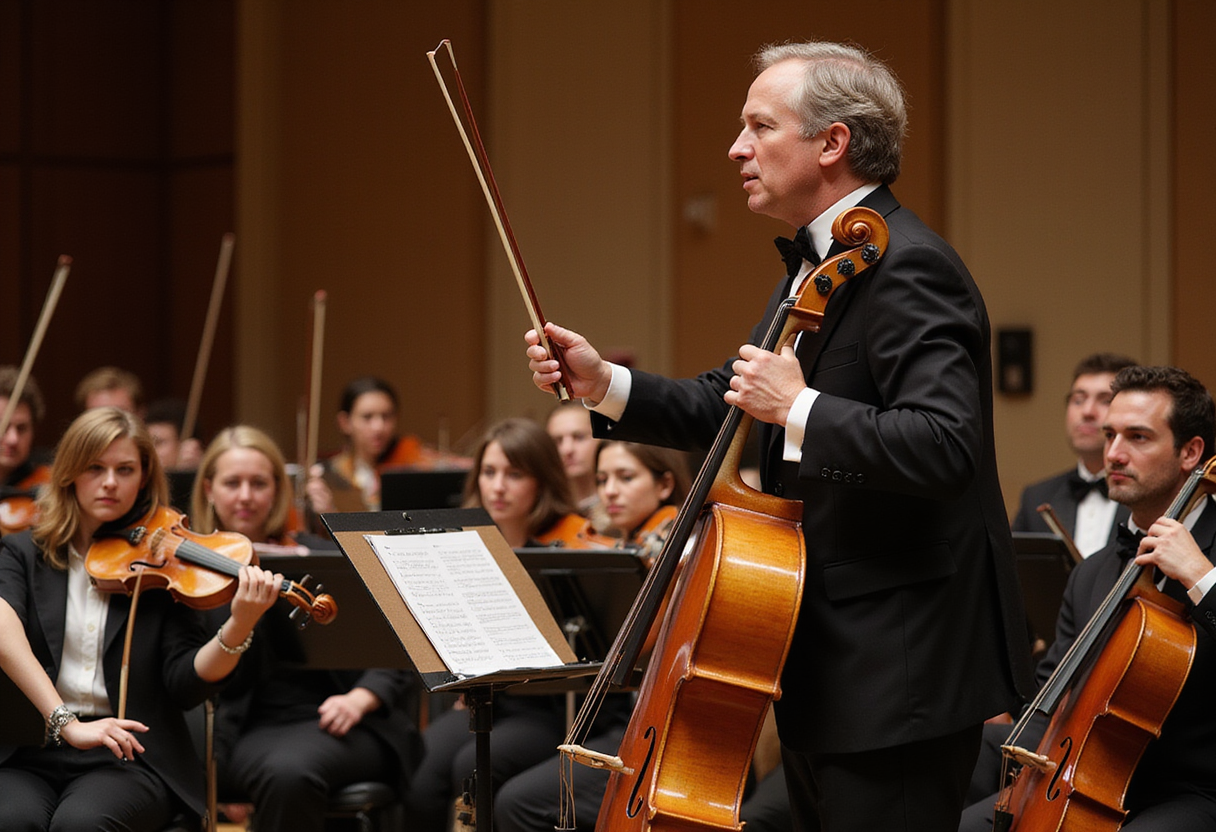
The orchestra had its own say, as it often does at such events. The orchestral prize — and with it, a future engagement — went to Karina Tseng of the United States, who finished third overall. An orchestra booking is arguably the more practical award: prize money is spent, engagements are careers. Tseng leaves Monza with a date on a calendar as well as a placing.
The source names no second-place winner and no jury members, so this report won't either. What we have is a winner, a runner-up prize from the pit, and a number.
Why does this one matter?
Because the Rina Sala Gallo keeps producing results the wider piano world notices, and because Jiang's name is now attached to it. Competition wins at sixteen don't guarantee a career — the graveyard of prodigies is well stocked — but they do guarantee attention, and attention is the currency of the next decade. Expect to hear the name again in a results column near you; Slippedisc, which first reported the win, certainly will.
Source: Slipped Disc
More from Daniel Okafor
Show full bio
News editor covering companies, deals and strategy in arts in the broadest sense at Arts & Voices.
478 articles