Smiles Meyer Queers "The Last Supper" — and Calls It Divine
In 2024, trans photographer Smiles Meyer restaged da Vinci's "The Last Supper" with trans models, turning religious trauma into a nearly decade-long photography practice.

Programme
- Smiles Meyer staged "The First Gathering," a trans recreation of da Vinci's "The Last Supper" (1495–98), in 2024.
- Meyer began photographing in 2018 after medication-related creative block ended their poetry practice around age 18.
- Meyer's photography career now spans nearly 10 years.
- The series builds on the Mary + I cover and nightclub exorcism shots made for performance artist Maris.
- Judith Butler's frameworks inspired Meyer's rethinking of divinity as living "within all of us."
In 2024, Los Angeles-based trans photographer and musician Smiles Meyer staged "The First Gathering," a recreation of Leonardo da Vinci's "The Last Supper" (1495–98) cast entirely with trans models. The work sits in a growing tradition of queer and trans artists — among them Elizabeth Ohlson Wallin, who has recreated Last Supper scenes — recasting longstanding religious imagery in their own image.
For Meyer, art is an act of divine transformation, both creative and bodily.
How did a would-be poet end up behind the camera?
Meyer grew up in San Diego, California, dreaming of poetry. "I was first in love with words," Meyer told Hyperallergic in an interview. After coming out as queer around age 18, they experienced severe depression and started taking medication.
"With the antidepressants, it felt like it soaked up my sadness but also soaked up any ability to write, which is something that a lot of artists struggle with," Meyer explained. "It was a year of me feeling creatively constipated."
The verdict on that year is Meyer's own, and it's blunt. Photography arrived in 2018 as a workaround: Meyer cut up and rearranged printed photos into collages, telling stories they couldn't capture with words. The practice continued until one day they took a photograph they considered too good to butcher. That photo launched what has become a nearly 10-year-long photography career.
What does divinity have to do with it?
Meyer partially credits their interest in deconstructing cisgender divinity — the assumption that holiness maps onto a fixed, assigned-at-birth gender — to theorist Judith Butler. Butler's writing inspired them to consider "how trans people appropriate the power of creation."
Meyer said Butler's frameworks encouraged them to reframe "what it means to be divine as not something that we associate with Jesus or the God in the sky but instead something that lives within all of us."
Where does "The First Gathering" come from?
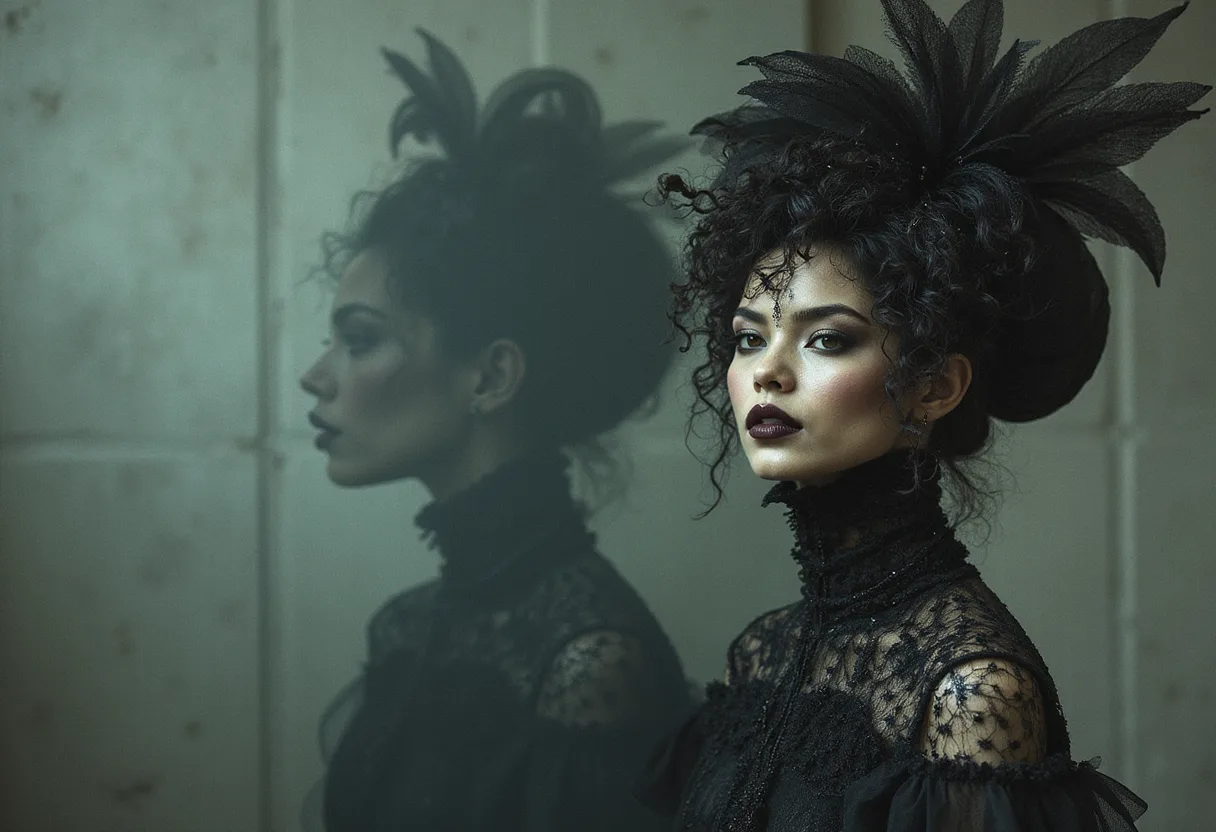
The series builds on Meyer's previous projects, including the Mary + I cover and nightclub exorcism shots created for performance artist Maris. Those works let Meyer unpack religious trauma through art that explores and celebrates their gender identity — a Catholic upbringing processed through the camera rather than left to fester.
The comparison is Meyer's own making: where da Vinci fixed a singular sacred moment in oils, Meyer stages it with bodies the Church never planned for. Whether the tradition welcomes the addition is not, one suspects, Meyer's problem.
"The First Gathering" suggests the project will continue — a queer canon of sacred scenes, assembled one gathering at a time.
Original: advocate.com
More from Daniel Okafor
Show full bio
News editor covering companies, deals and strategy in arts in the broadest sense at Arts & Voices.
628 articles