'Snow Geese Season': A Vermont Picture Book Built on Dawn Light
Angela Burke Kunkel's new picture book 'Snow Geese Season' follows a boy and his grandfather waiting for Vermont's fall snow goose migration, illustrated by E.B. Goodale.
Programme
- Angela Burke Kunkel's picture book 'Snow Geese Season' is illustrated by E.B. Goodale.
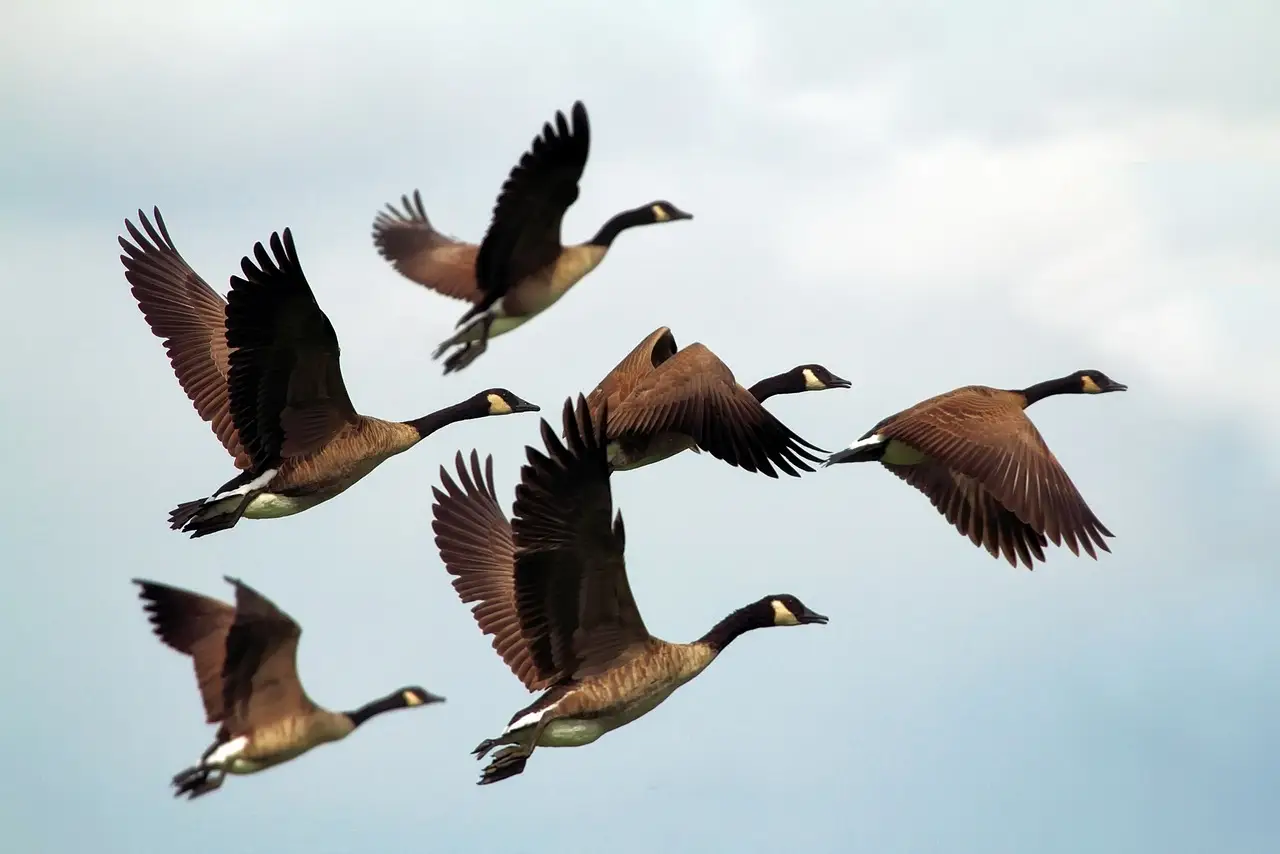
- Snow geese at Vermont's Dead Creek Wildlife Management Area are best viewed early October to mid-November.
- Goodale made two trips to Vermont and worked in watercolor, monoprint and oil paint.
- The story is set near Kunkel's Vermont home, including a real house from her town.
Vermont author Angela Burke Kunkel has published a new picture book, Snow Geese Season, tracing one dark pre-dawn morning when a little boy and his grandfather drive to a field and wait for the annual snow goose migration.
The boy narrates the wait in the book's opening pages. "Pop nestles me under his shoulder and we wait," he says. "Then, suddenly, we hear them… Soft, then loud. One, then many."
Kunkel lives in Vermont near the Dead Creek Wildlife Management Area, one of the places where the geese cover the ground in a snowy white blanket each fall as they migrate south. According to Vermont Fish & Wildlife, the geese are best viewed flying and feeding during the first hours after sunrise and the last hours before sunset, typically from early October into mid-November.
"It's just about… one of those quiet moments in nature that end up being really important to someone," Kunkel says of the book.
How did the illustrator capture Vermont at dawn?
When illustrator E.B. Goodale read the manuscript, she says she knew she had to see the geese in person. She made two trips to Vermont for the project.
"Something that I was so struck by was the very specific color palette that exists in Vermont at that time of year before the sun comes up," Goodale says. "These very deep, dusky blues like on the mountains, and then all the straw light yellows and oranges in the grass. And I was just like, in awe of this color palette."
Goodale worked traditionally. "I created these watercolor washes to kind of lay under everything to just kind of amplify the colors," she explains. She then made monoprints with a plate, her finger or a brush, and oil-based inks to build texture and scene. "The last stage for me is always… adding in some line work with oil paint on top to add in all the little fine details," she says.
The story is deliberately quiet: two characters and a lot of standing around. Goodale says the challenge was making each spread dynamic and different. One spread shows the characters watching the field through binoculars. Another places the reader above the scene as the geese fly over the field.
"This is the kind of thing I love," Goodale says. "Things that are quiet and moody where you can just, like, ease into the atmosphere and like get a sense of the emotions that are happening just through the place."
What real details made it into the book?
Kunkel says she recognized familiar things in the finished illustrations: the house the boy and Pop exit at the start is a house in her own town, down to what the two characters wear.
When Goodale planned her Vermont visit, Kunkel warned her hunters might be in the wildlife area and told her to wear neon safety gear. "I went out with my son," Goodale remembers. "And we had on these bright orange hats. And I was watching him stand in this field with these deep, deep blue colors all around and darkness all around in that neon hat. And I was like, this is it. This is awesome."
Kunkel says Goodale's two trips and attention to detail make the book feel special and relatable. The takeaway: this is a story anchored in a real place, witnessed firsthand.
Where does the story come from?
The book has roots in Kunkel's own childhood. "When my parents were separated, I spent a lot of time with my grandparents but also my uncle who lived with them," she remembers. "There was a moment where he just took me for a walk in the woods. He was really the only adult who wasn't asking me how things were going, how I was doing, what's going on. And he just gave me kind of that space and that breathing room in nature."
She connected that memory to the book only after finishing it. "And I was like, Oh, like I had that same important moment as a kid," she says.
Snow Geese Season arrives as fall migration season approaches, giving readers a picture book rooted in an October-to-November spectacle they can still go witness themselves.
Original: angelakunkel.com
More from Elena Vasquez
Show full bio
Senior reporter covering technology and product news in arts in the broadest sense at Arts & Voices.
757 articles