Sofia Coppola's 'Marie Antoinette' Returns to Versailles
Twenty years on, Sofia Coppola's once-criticized 'Marie Antoinette' — scorned for its pop soundtrack and pastel palette — is being honored at Versailles, where it was filmed.
Programme
- Sofia Coppola's 'Marie Antoinette' is being honored at the Palace of Versailles 20 years after release.
- The film was shot in the chateau that now celebrates it.
- Critics originally attacked its modern soundtrack and pastel aesthetics.
- The film portrays Marie Antoinette's royal ennui.
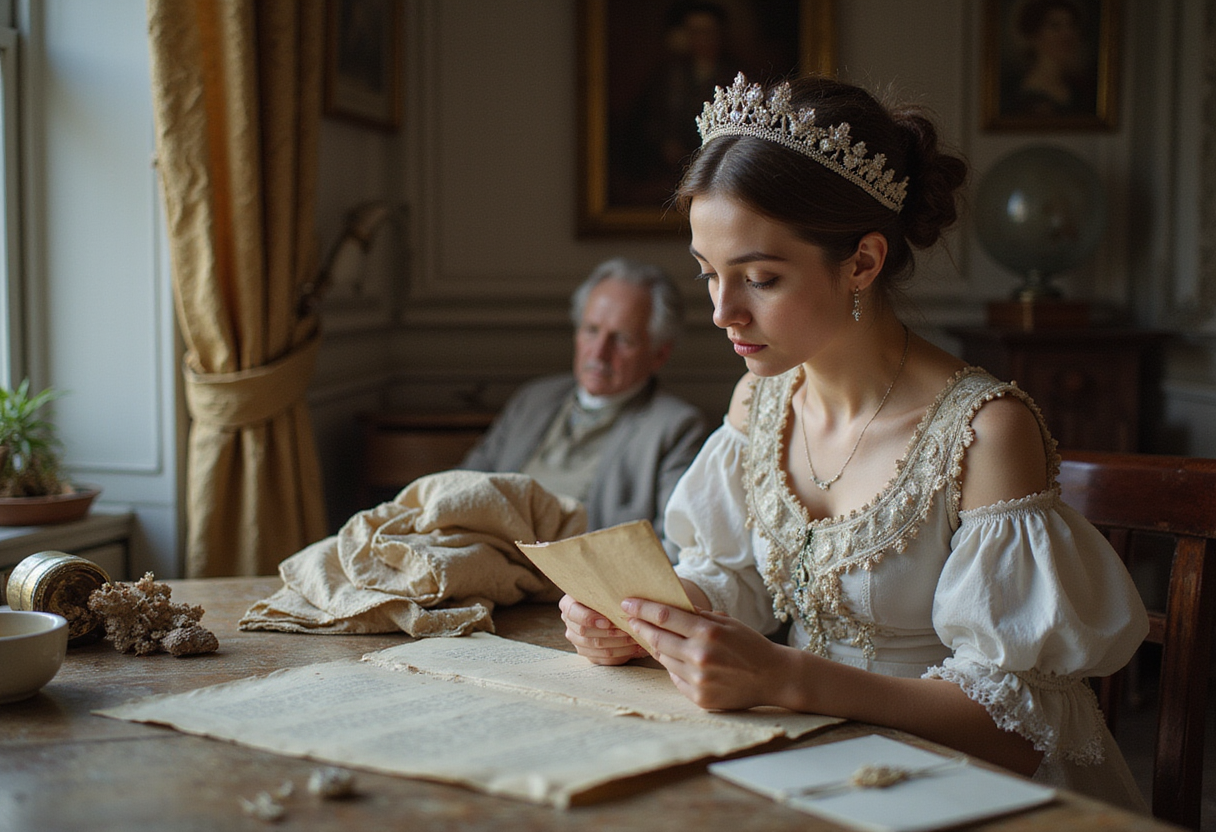
Twenty years after its release, Sofia Coppola's "Marie Antoinette" is being honored at the Palace of Versailles — the chateau where the film was shot.
The tribute marks a striking reversal of fortune for the director's portrait of royal ennui. When the film first appeared, critics attacked its modern soundtrack and pastel aesthetics as anachronistic violations of the period-film code. Two decades on, the very institution that opened its doors to the production is celebrating the work.
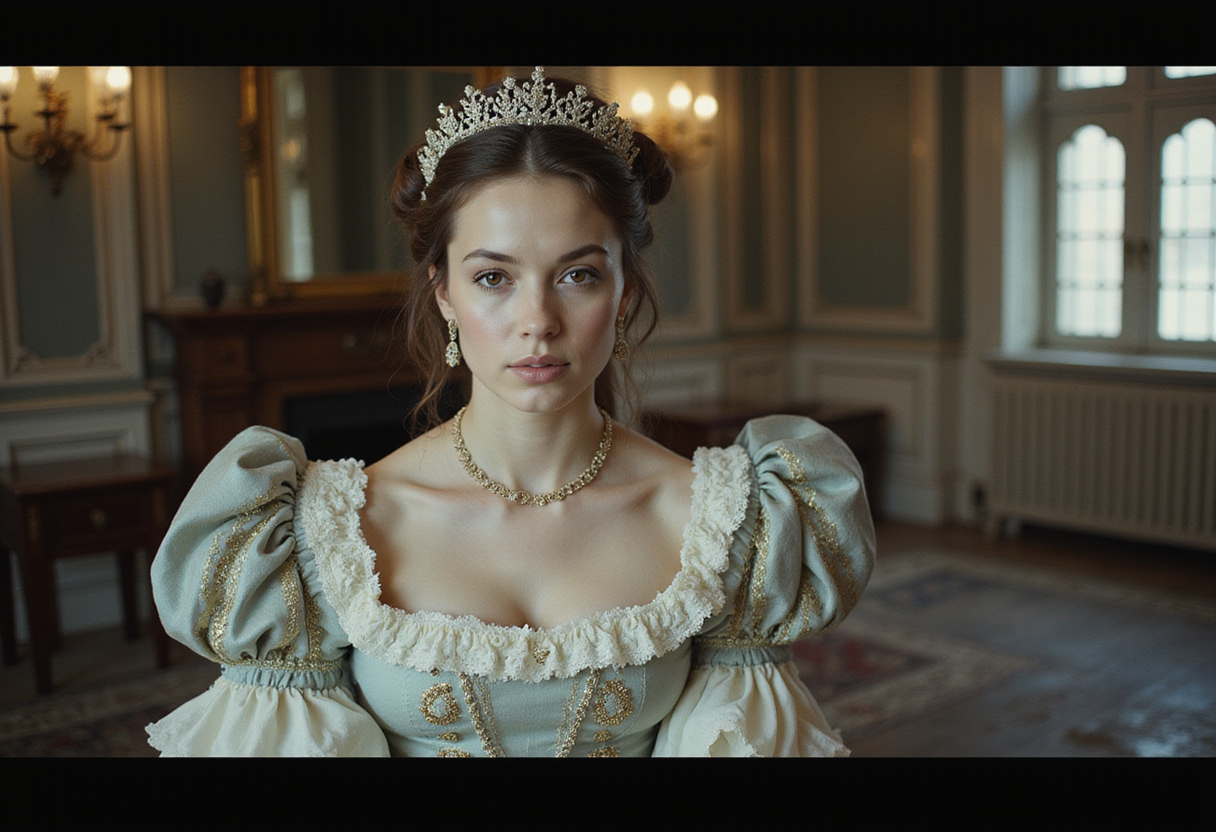
The film, starring a young court immersed in cakes, chiffon and boredom, positioned Coppola's Marie Antoinette not as a historical figure but as a teenage girl trapped in a gilded machine. Versailles supplied the authentic architecture of that trap. Now it supplies the stage for the film's rehabilitation.
What changed in 20 years?
The reception history of "Marie Antoinette" has followed a familiar arc for Coppola's work: initial hostility, then gradual critical embrace. The objections at the time centered on two choices:
- A contemporary soundtrack laid over eighteenth-century settings
- A pastel visual palette that critics read as frivolous rather than deliberate
Both elements are now widely cited as the film's signature strengths — the means by which Coppola translated the isolation of a teenage dauphine into a language contemporary audiences could feel.
The Versailles tribute formalizes that reassessment. Being honored in the chateau where the film was shot closes the circle: the location that lent the production its historical authenticity now endorses the interpretation once dismissed as unserious.
Why the honor matters
For a film once framed as a misfire, recognition from Versailles itself carries particular weight. The palace is not a neutral venue — it is the historical site of the queen's actual life, and its willingness to celebrate Coppola's stylized version signals that the film is now read as part of the Marie Antoinette mythos rather than a deviation from it.
The 20-year milestone gives the retrospective a natural anchor. What began as a critical flashpoint has aged into a reference point for a generation of filmmakers working with pop-scored period stories — a lineage in which Coppola's film now sits near the head.
Whether the Versailles honor presages a fuller restoration, reissue or exhibition program remains to be seen, but the palace's embrace already confirms the verdict: the pastel rebellion won.
Source: NYT Arts
More from Marcus Bennett
Show full bio
Staff writer covering industry trends and analytics at Arts & Voices.
357 articles