Star Wars Forge gives the franchise an AI-generated what-if
Star Wars Forge uses generative AI to extend George Lucas’s universe into portraits, planetary battles, stormy-ocean spacecraft scenes and seasonal variations.
Programme
- Star Wars Forge uses generative AI to create scenes from George Lucas’s Star Wars universe.
- The project spans a franchise history of nearly 50 years across films, television, comics and games.
- Its subjects include Darth Vader, Darth Maul, the Mandalorian, Imperial Star Destroyers and X-wing fighters.
- The collection ranges from minimalist portraits and science-fiction landscapes to seasonal variations and atmospheric battle scenes.
- Design You Trust connects the project’s approach with generative tools such as Midjourney.
By Daniel Okafor
Nearly 50 years into Star Wars’s run across movies, television series, comics and games, Star Wars Forge answers the fantasy of “even more movies” with still images rather than footage.
The creative project uses generative AI (software that creates new images) to imagine scenes from George Lucas’s science-fiction universe. It presents them through the Instagram account @starwars_forge. Design You Trust describes the premise this way: “There are apparently still plenty of unexplored corners in a galaxy far, far away.” The pitch is simple. The familiar archive remains open to pictures nobody has made.
What does Star Wars Forge add?
The feed supplies three instantly legible scenes:
- Darth Vader emerges from crimson shadows.
- Imperial Star Destroyers hover above stormy oceans.
- X-wing fighters race across alien landscapes.
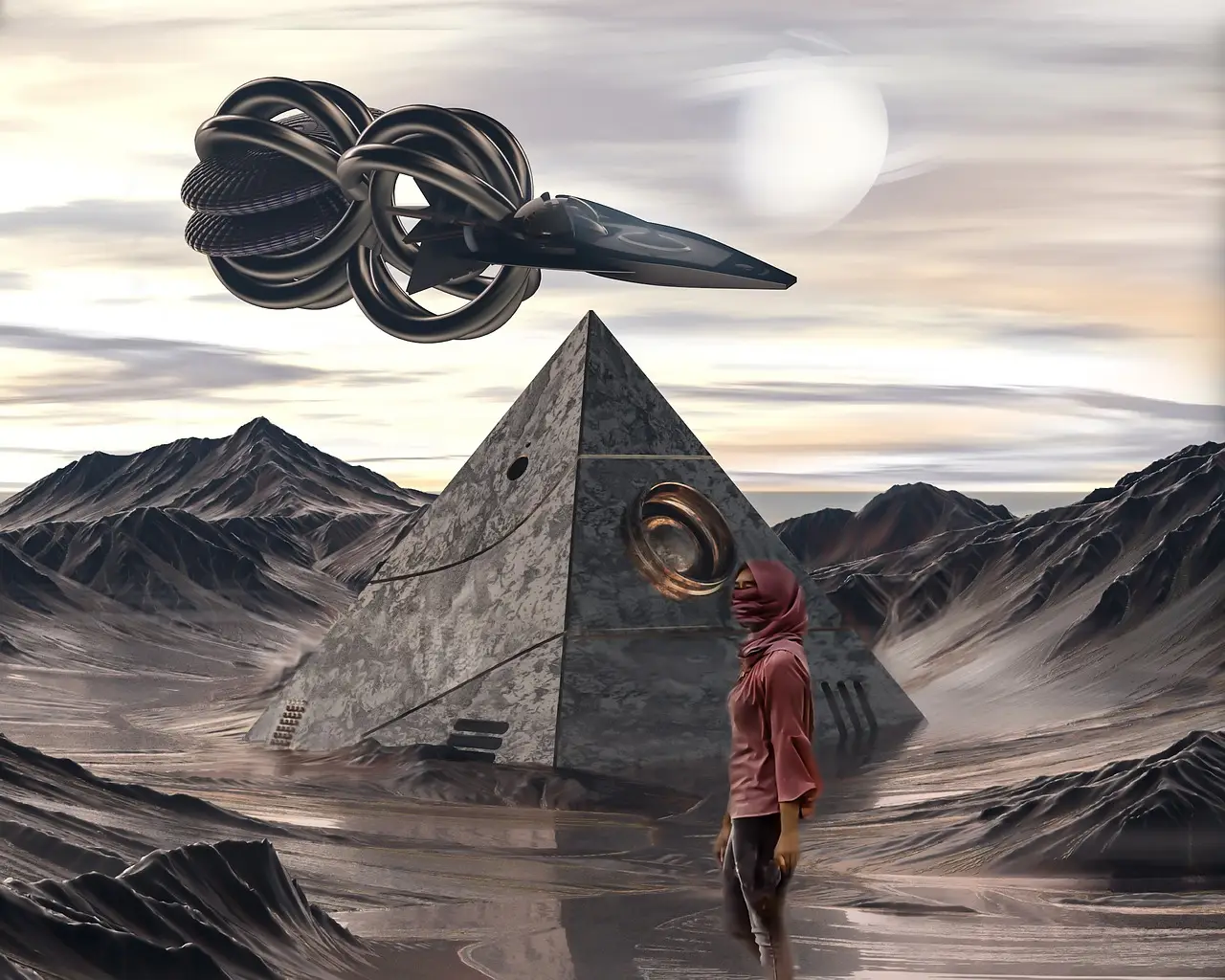
The collection moves between minimalist character portraits and elaborate cinematic compositions. Darth Maul and the Mandalorian receive dramatic new treatments. Enormous spacecraft, distant planets and atmospheric battle scenes broaden the project’s scope.
Across the collection, Star Wars Forge combines recognizable franchise imagery with compositions built around weather, scale, darkness and sharply contrasted pools of light for dramatic effect. The project makes particular use of atmospheric effects and carefully framed silhouettes. Many images read like moments captured from films that do not exist. Design You Trust says they “could easily pass for promotional stills from an expensive new Star Wars production.” Their convincing detail does not require a plot. A familiar silhouette can do much of the work.
What changes after nearly 50 years?
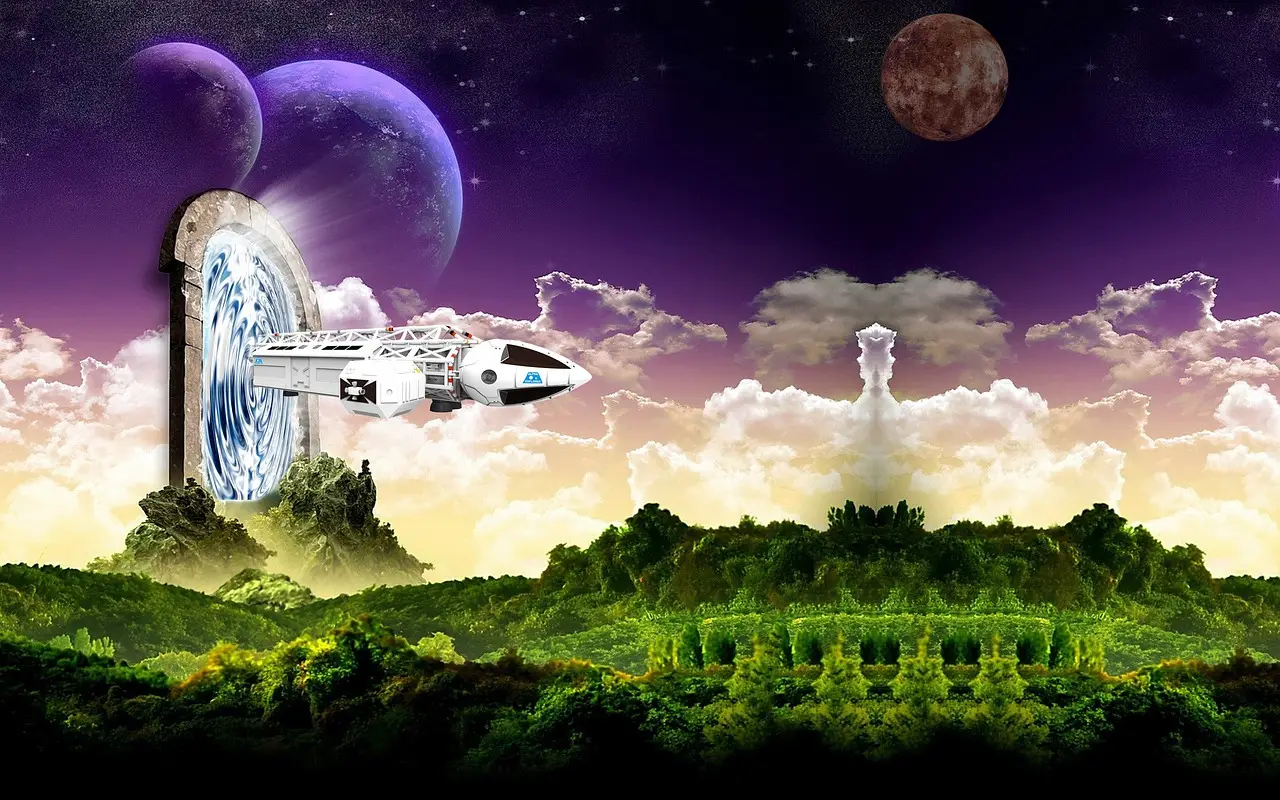
Star Wars has inspired generations of fan artists. Design You Trust places the project within a broader change: tools such as Midjourney have introduced another way to experiment with the franchise’s familiar imagery. Star Wars Forge embraces that technology, producing moody science-fiction landscapes and imaginative seasonal variations featuring recognizable characters.
The seasonal work tests the project beyond spectacle. It asks whether familiar figures can remain legible in a different mood, season and setting. The feed presents that change as successful. Recurring starship silhouettes and carefully managed atmospheres make the variations feel coherent rather than random. Design You Trust treats the project as evidence that fans keep finding new ways to revisit the universe.
How convincing are the images?
Very convincing at first glance. That is also where the evidence stops.
The feed’s visual shorthand works because it combines known characters and machines with unfamiliar weather, scale and lighting, creating scenes that feel larger and less settled than the original material. The resemblance to a finished cinematic universe is precise. It is also mostly surface, because still images need not carry dialogue, performance or narrative continuity. Design You Trust’s account does not establish how those elements would survive in a full film.
What remains to be established?
The next test for Star Wars Forge is not another crimson portrait of Darth Vader. It is disclosure. The material published by Design You Trust gives no creator credit, dates for individual images, software version, record of the prompts used, account of the selection process, or statement on rights and commercial use. Those omissions leave the project polished but thinly documented.
A named maker, a clear process and stated terms of use would turn the feed into a more accountable creative project without dulling its visual appeal. For now, Star Wars Forge works as an entertaining extension of George Lucas’s universe through generative-AI imagery, not a new piece of canon, or officially accepted story material. Nor does it announce a Star Wars film.
The next advance should be as exact as its pictures: named authorship, clear process and stated terms of use.
Source: designyoutrust.com
More from Daniel Okafor
Show full bio
News editor covering companies, deals and strategy in arts in the broadest sense at Arts & Voices.
1,140 articles