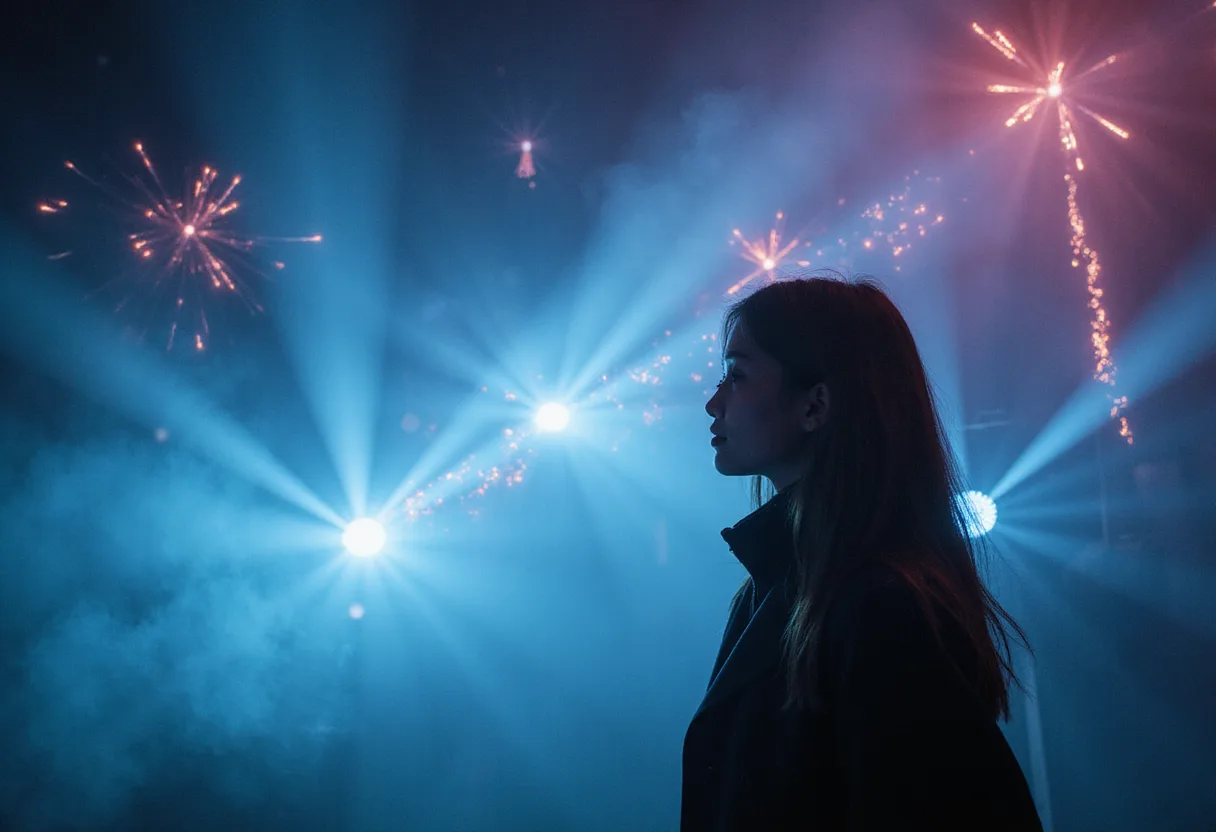
Stefan Priehyba’s BC – AC opens in Mqabba on 15 November
Stefan Priehyba’s BC – AC opens in Mqabba on 15 November. The comic-book show leaves biblical stories unnamed and asks visitors to infer them, but withholds key details.
Programme
- BC – AC runs from 15 to 29 November at il-Kamra ta’ Fuq in Mqabba.
- The exhibition opens at 11am on Sunday 15 November.
- Stefan Priehyba was born in Slovakia in 1980 and has lived in Malta since 2010.
- Priehyba began making art at four and pursued more than two decades of formal education.
- Since 2012, Priehyba has lectured in Fine Arts and Performing Arts at MCAST.
By Tom Whitfield
Stefan Priehyba’s BC – AC opens at il-Kamra ta’ Fuq in Mqabba on Sunday 15 November at 11am and remains on view until 29 November, according to the exhibition announcement. The show presents Priehyba’s reimagining of biblical narratives through the visual language of comics and superheroes.
Curated by Melanie Erixon, the exhibition takes its name from rock band AC/DC and joins biblical storytelling, popular culture and contemporary art. The listing expands the abbreviation as “Before Christ and After Christ,” a pun that sets sacred history against a culture of comic-book spectacle. The announcement describes colourful, dramatic compositions populated by fictional heroes, symbolic imagery and conflict. It does not say whether those figures are analogues, replacements or invented characters, so that aspect remains more suggestive than demonstrable from the announcement alone.
The central device is omission. None of the biblical stories is identified. Visitors must work out which narrative each work represents by drawing on their own knowledge, beliefs and cultural experience. The exhibition therefore treats recognition as part of the work rather than as a fixed label supplied by the gallery.
That proposition has a practical consequence: two people can approach the same object and see different stories. The announcement presents this difference not as a failure of instruction but as the intended effect. Whether viewers find that freedom illuminating or frustrating will depend on how clearly Priehyba shapes each scene without making its source explicit.
What does the show change for viewers?
It changes the viewer’s role. Instead of reading a caption to confirm a familiar episode, the visitor must reconstruct a narrative from visual evidence. That is a stronger proposition than simply placing a superhero beside a biblical figure, although the announcement does not explain how the comic-book devices alter plot, moral emphasis or character identity.
Priehyba’s background gives the project a stated basis. The artist was born in Slovakia in 1980 and has lived in Malta since 2010. His artistic journey began at the age of four, and the listing says he pursued more than two decades of formal education at fine arts academies in Bratislava and Prague. It also describes a career built around traditional craftsmanship, history and contemporary visual expression.
His wider credits extend beyond the gallery. The announcement identifies Priehyba as a sculptor and visual artist who worked on Game of Thrones, Gladiator II, The Chronicles of Narnia: Prince Caspian, Hellboy: The Golden Army and Assassin’s Creed. It also lists public sculptures and private commissions in Malta, Slovakia and the Czech Republic.
Since 2012, Priehyba has lectured in Fine Arts and Performing Arts at MCAST. The exhibition announcement presents BC – AC as a meeting point between his classical training and his interest in contemporary imagery. That may make the show coherent for viewers who encounter it through Priehyba’s biography. It does not, by itself, establish that the biblical scenes receive the same rigour as his academy training or production work.
The show asks visitors to reconsider stories they may already know: what they recognise, what they overlook and where a single narrative acquires new meanings. The premise is clear. The unanswered questions are equally clear. The announcement names no individual artworks or materials, provides no admission price or daily opening hours, and includes no direct statement from Priehyba or Erixon. A visitor cannot yet judge the scale of the exhibition or compare the reinterpretations with the episodes they infer.
For anyone considering a visit, the known arrangements are limited but specific:
- Opening: Sunday 15 November at 11am
- Final day: 29 November
- Venue: il-Kamra ta’ Fuq, Mqabba
- Artist: Stefan Priehyba
- Curator: Melanie Erixon
- Further information: the official Facebook event page
What the show changes is the demand placed on the viewer: no supplied story title, no secure starting point and no guarantee that two readings will meet. If Priehyba’s compositions supply enough visual argument, the uncertainty will sharpen the stories rather than dissolve them. If they do not, the omission may feel less like reinterpretation than guesswork. The announcement leaves that judgment to the artworks.
Source: lovinmalta.com
More from Tom Whitfield
Show full bio
Market editor covering people, launches and day-to-day practice in arts in the broadest sense at Arts & Voices.
1,141 articles