The £28,000 'Commoner's Sapphire': How Diana's Catalogue Ring Won
Diana's 12-carat Ceylon sapphire cost about £28,000 off Garrard's shelf — mocked as the "commoner's sapphire," it became the world's most copied engagement ring and now sits on Kate's hand.
Programme
- Diana showed a 12-carat Ceylon sapphire engagement ring at Buckingham Palace on February 24, 1981
- The ring was a £28,000 stock Garrard design anyone could buy, earning the nickname 'commoner's sapphire'
- William proposed to Kate Middleton with the ring in Kenya in 2010, carrying it for three weeks
- Harry and butler Paul Burrell give conflicting accounts of how the ring passed to William
- Current valuations range from over £100,000 to several hundred thousand pounds
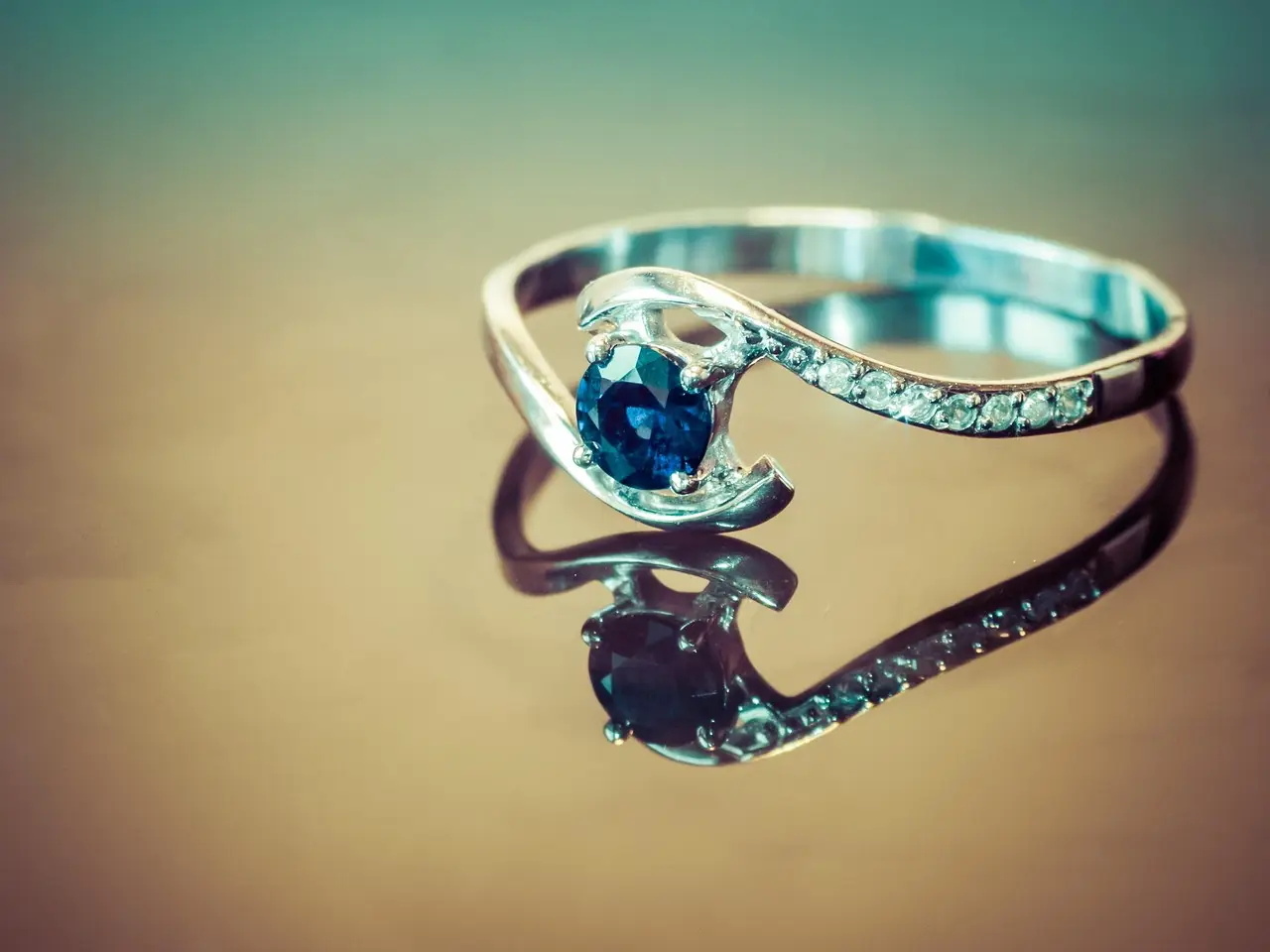
On February 24, 1981, a 19-year-old Lady Diana Spencer held up her left hand at Buckingham Palace and showed the world a 12-carat oval Ceylon sapphire ringed by 14 diamonds in white gold. The ring cost about £28,000 — and anyone with the money could have bought the same one from Garrard, then the Crown Jeweller. Critics in royal circles promptly nicknamed it the "commoner's sapphire."
The sneer rested on a rule, not a price. Royal engagement rings were traditionally one-offs: commissioned for the bride or drawn from the family's own collection. Diana's was a ready-made stock design from Garrard's range. The label also jabbed at her non-royal birth — an odd attack, since Diana came from one of England's oldest noble families. She was the daughter of an earl. Calling her a commoner said more about the critics than about the ring.
How Diana chose it
Two nights before the announcement, the couple dined with the Queen at Windsor Castle and looked through a tray of more than a dozen rings sent down from London, according to royal jewelry historian Leslie Field. Diana chose hers, Field writes, "without a minute's hesitation."
Charles had his own reason for including the sapphire. People reported it reminded him of a brooch he often saw his mother and grandmother wear — a piece Garrard made for Queen Victoria in 1840, worn as her "something blue" on her wedding day. Garrard has said the brooch inspired the ring. Victoria left the brooch to the Crown in her will, and Queen Elizabeth wore it often. The "commoner's" design, in other words, had royal roots — just not the kind the critics wanted.
Theories about Diana's own motive piled up over the years: it recalled her mother's engagement ring; it matched her blue eyes — a line The Crown gave her in its fourth season, though that scene is drama, not history. One report claimed she picked it because it was the biggest, a claim Field disputes. Her answer is the simplest: Diana had already said she wanted a sapphire, and, in Field's words, "She chose this one purely because she liked it."
What does the mockery change for the ring's status?
Nothing, as it turned out. Brides in Britain and abroad began asking for sapphire cluster rings of their own, and jewelers have produced copies ever since. The design deemed too ordinary for a princess became one of the most copied engagement rings in the world. Jewelers keep revaluing it: current estimates run from well over £100,000 to several hundred thousand pounds.
Two brothers, two stories
In 2010 Prince William proposed to Kate Middleton in Kenya with his mother's ring, having carried it in his rucksack for about three weeks. "I literally would not let it go," he said. In the engagement interview he explained: "It's my mother's engagement ring, and it's very special to me, as Kate is very special to me now as well. It was my way of making sure my mother didn't miss out on today."
How the ring reached William depends on who tells it. Diana's former butler Paul Burrell told a 2017 documentary that Harry chose the ring as a keepsake after Diana's death — it hurt to hold his mother's hand, it was so big — and later handed it to William. Harry denied that flatly in his 2023 memoir, Spare: "I never gave Willy that ring because it wasn't mine to give." He wrote that William had asked for it after their mother died. Burrell stands by his version. Two witnesses, two stories, one ring.
Kate's only alteration was small: royal jewelers reportedly added tiny platinum beads inside the band so it would fit, leaving the original uncut. She has worn it as Duchess of Cambridge and now as Princess of Wales, the title Diana held. When William becomes King, the ring goes with her. Forty-five years ago, critics sniffed that anyone could buy it. Today, nobody can.
Source: soapoperadaily.com
More from Tom Whitfield
Show full bio
Market editor covering people, launches and day-to-day practice in arts in the broadest sense at Arts & Voices.
1,719 articles