November 5, 1924: The Day China's Forbidden City Lost Its Last Emperor
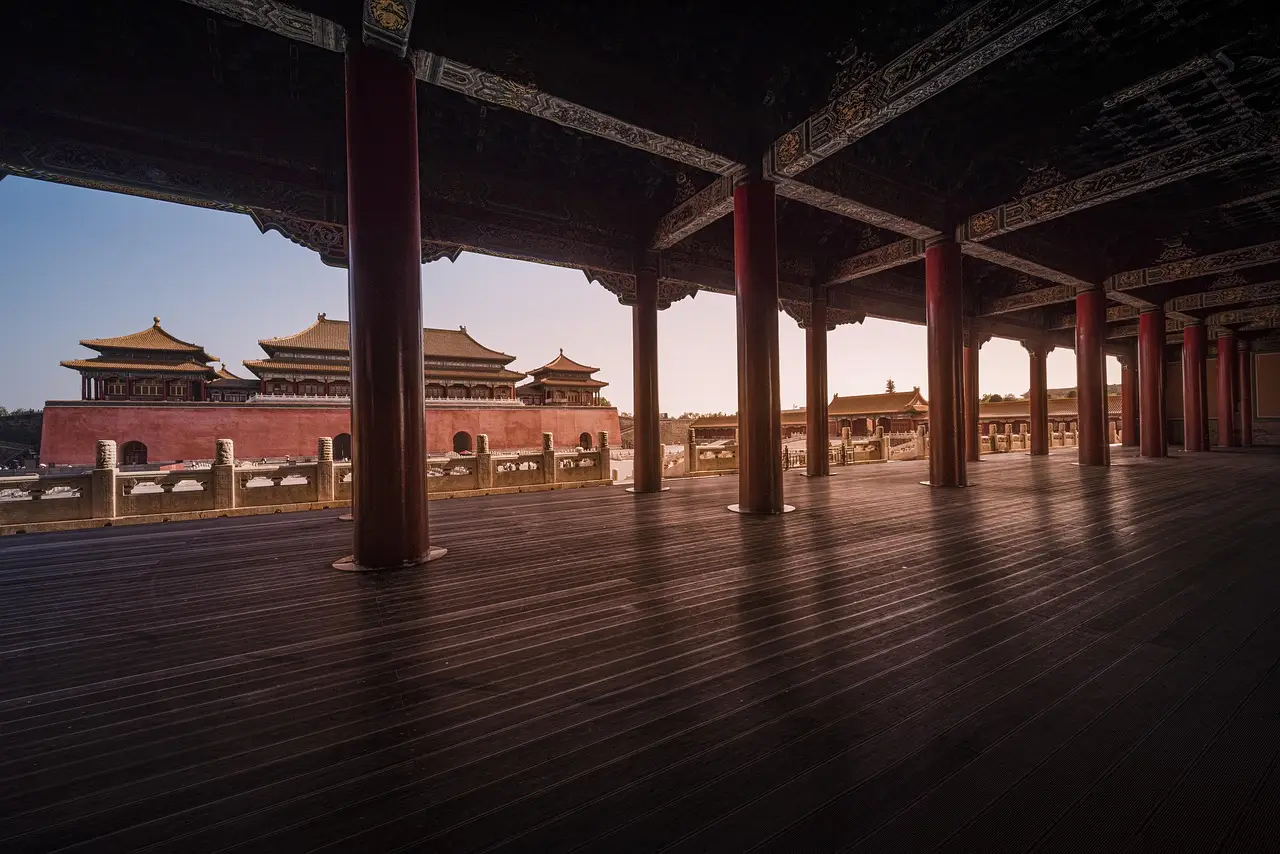
On November 5, 1924, warlord Feng Yuxiang's troops expelled Emperor Puyi from the Forbidden City under cannon threat, ending 500 years of imperial residence and opening his Japanese exile.
Programme
- Warlord Feng Yuxiang expelled Emperor Puyi from the Forbidden City on November 5, 1924, ending over 500 years of imperial presence.
- Puyi, given until midday to sign, accepted abolition of his title and a $500,000 annual allowance under threat of artillery fire.
- Britain's Legation refused Puyi asylum; Japan accepted him on November 30, 1924, starting his exile.
- The extract is from Paul French's 'The Last Emperor of China: Twilight of the Forbidden City' (St. Martin's, 2026).
By Daniel Okafor
On November 5, 1924, warlord troops cut the telephone lines into the Forbidden City, disarmed the Imperial Guards and expelled Emperor Puyi by midday ultimatum. That night, for the first time in over five hundred years, the palace closed its gates without China having an emperor.
The extract comes from The Last Emperor of China: Twilight of the Forbidden City by Paul French, published by St. Martin's Publishing Group, and it reconstructs the expulsion through the memoir and letters of Reginald Johnston, the Scottish tutor Peter O'Toole played in Bertolucci's The Last Emperor (1987).
What happened in the Imperial Garden first?
Spring 1923: Puyi, Empress Wanrong, Johnston and Isabel Ingram, Wanrong's American English teacher, held picnics in the Imperial Garden (Yu Huayuan) of the 178-acre palace — roughly twice the size of Vatican City. Wanrong dressed Ingram in Manchu costume with the liangbatou headdress; cream cakes came from a German bakery in the Legation Quarter. Both royals were sixteen at their 1922 wedding, the last imperial pageantry Peking would see. China had been a republic since 1912; Puyi had abdicated at six, confined within the walls ever since, attended by roughly a thousand eunuchs.
Johnston called the years from 1919 to 1924 "the twilight period." His previously unpublished correspondence with Ingram, French notes, shows his memoir was somewhat vainglorious — he was not the only foreigner close to the couple, and he was plainly smitten with Ingram.
How did the coup unfold?
The warlord Feng Yuxiang, the "Betrayal General," seized Peking in the early hours of October 23, 1924. He ousted President Cao Kun, the "Bribing President," and put him under house arrest; Cao Kun's brother committed suicide at the news. Rumors held Feng's troops would do to the Aisin-Gioro clan what the Bolsheviks did to the Romanovs — Feng had Soviet contacts and despised monarchy.
On November 2, Puyi handed Johnston a suitcase of Lady Tatara's jewels to bank. Johnston found the Inner Court "ghostly and forlorn"; Puyi watched Feng's troops on Coal Hill through a telescope. The escape plans failed.
On November 5, Feng's officers gave Puyi until midday: the abolition of the imperial title, a $500,000 annual allowance, and his person and property guaranteed — or the cannon on Coal Hill would fire. Warlord photographers recorded the bedroom, littered with kung-fu novels and toys. The couple had three hours to leave with "what a servant or two could carry." Prince Chun threw down his peacock-feathered hat: "It's all over, it's all over, I won't need this again."
General Lu Zhonglin asked Puyi whether he meant to be emperor again. "From today onwards I want to be an ordinary citizen," Puyi replied. "Good," said Lu. "Then we shall protect you."
What did the tutors do?
Ingram, refused at bayonet point, was told the empress had left "hatless, coatless and baggageless." She told the Philadelphia Record: "That day was the end of my beautiful China…" She never saw Wanrong again.
On November 29 Johnston sought sanctuary for Puyi — refused by the Dutch, then by Sir Ronald Macleay at the British Legation, which did not accept political refugees. Japan accepted him on November 30. A young man who called himself Henry, whose wife took the name Elizabeth, and who wanted to study at Oxford, was pushed toward the Japanese. His exile — and the road to Manchuria — had begun. As French concludes, leaving the Forbidden City only passed Puyi "from one set of captors to another."
Original: bookshop.org
More from Daniel Okafor
Show full bio
News editor covering companies, deals and strategy in arts in the broadest sense at Arts & Voices.
1,588 articles