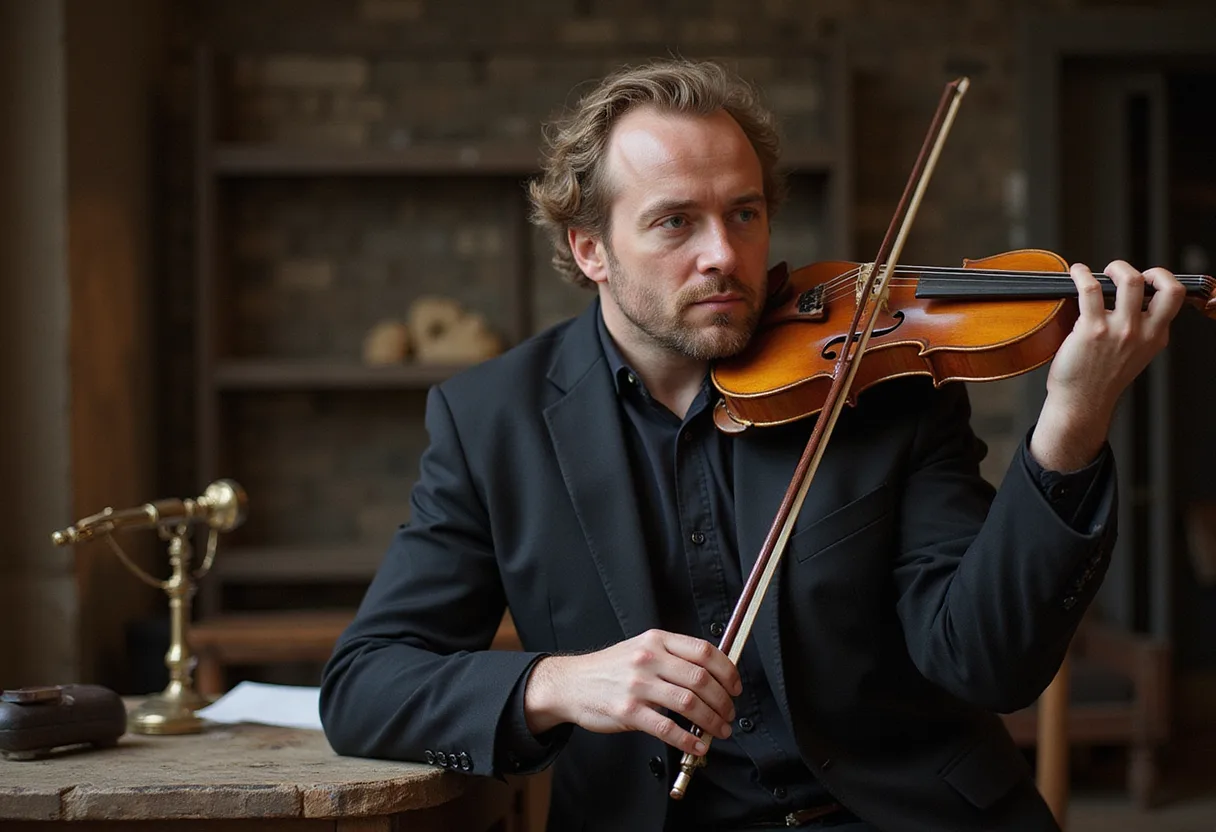
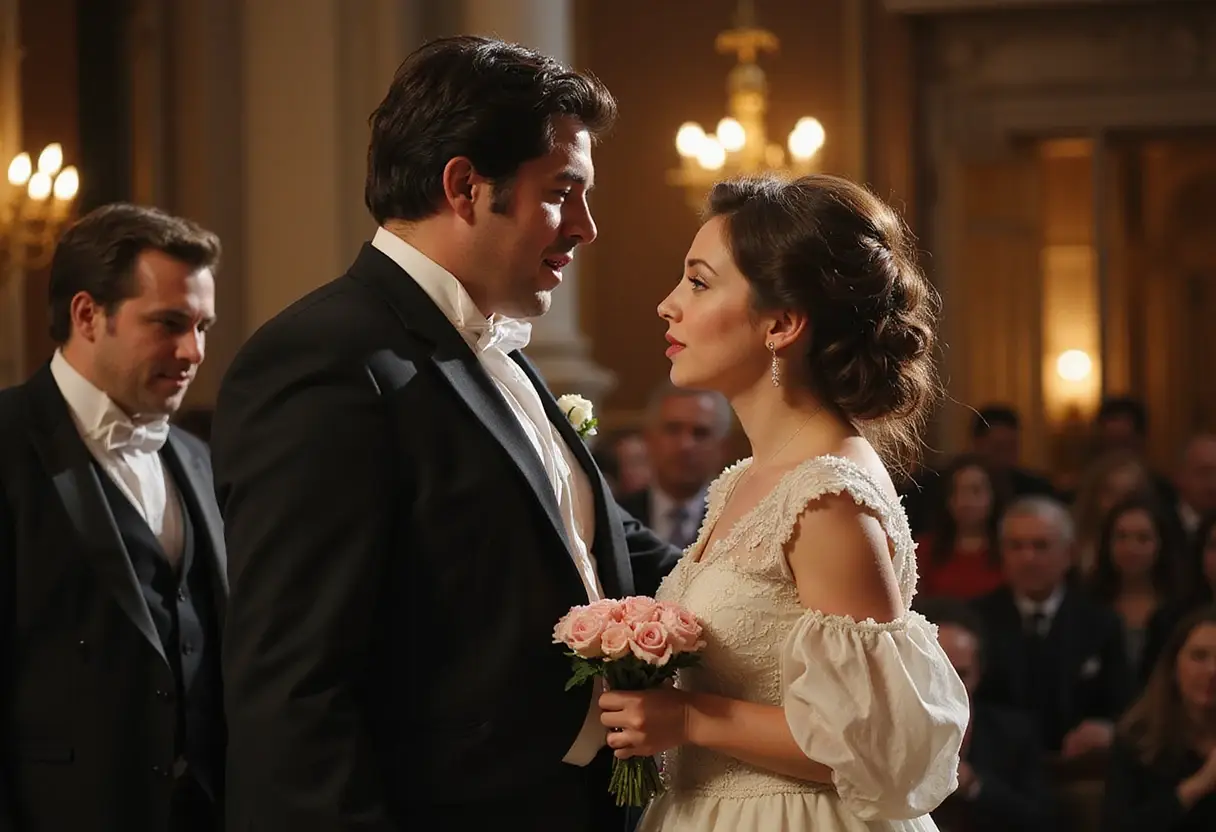
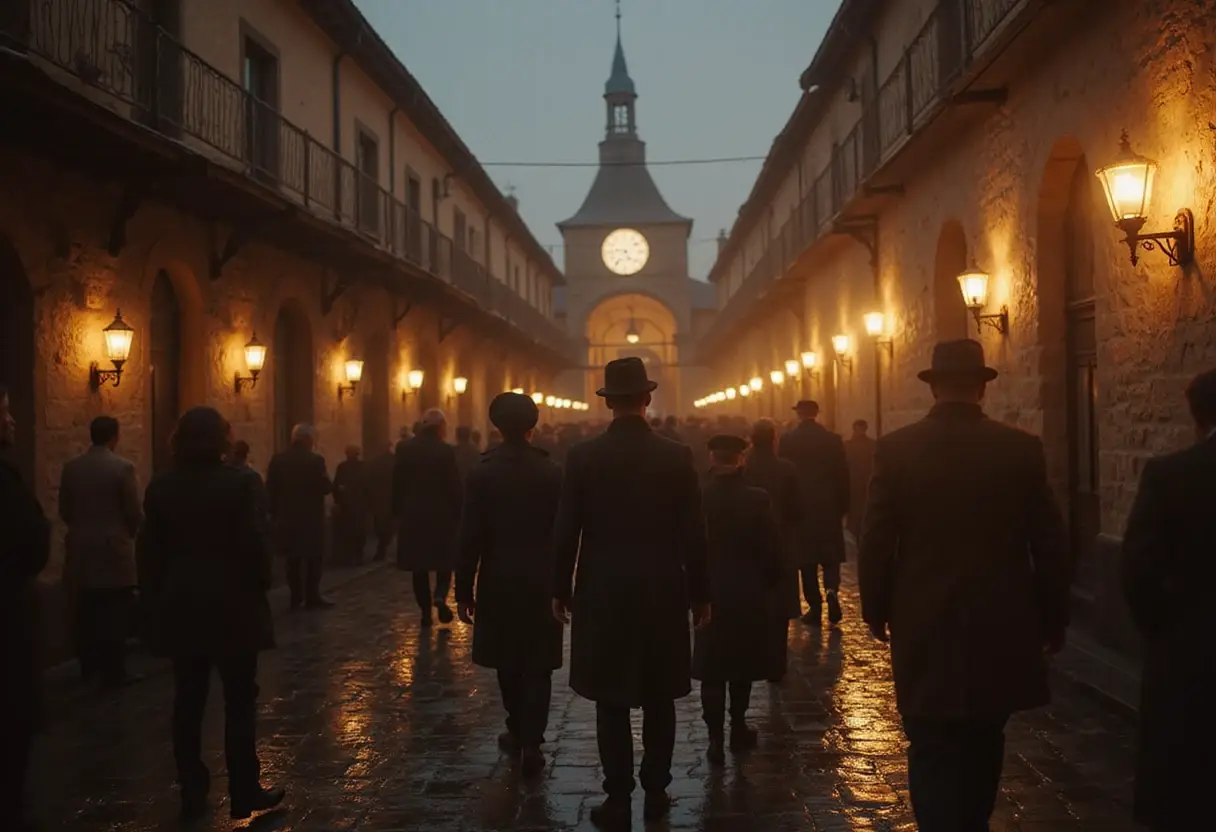
'The Mothers of Kherson': The Met Opera Turns News Into Stage
The Met Opera's 'The Mothers of Kherson' blends news and myth to support Ukraine, breaking opera's habit of avoiding current events while they unfold.

Programme
- The Metropolitan Opera is behind 'The Mothers of Kherson', a work of artistic advocacy.
- The piece blends news coverage of the war in Ukraine with mythic, symbolic storytelling.
- Opera rarely reflects current events; this work responds to an ongoing war.
- The title references Kherson, a southern Ukrainian city central to war reporting.
The Metropolitan Opera has attached its name to "The Mothers of Kherson," an operatic work that puts the war in Ukraine directly onto the lyric stage. The piece, described as a product of artistic advocacy by the Met Opera, sets out to do something opera houses rarely attempt: reflect current events while they are still unfolding.
That choice is the story here. Opera has always moved slowly. Houses plan seasons years in advance, and the form's canonical repertoire reaches back centuries. A work that responds to an active war inverts that timetable, and it puts one of the world's most prominent opera companies in the position of advocate rather than neutral presenter.
What kind of piece is it?
By its own description, "The Mothers of Kherson" blends news and myth. That's a deliberate two-track structure. The "news" track draws on real events in the southern Ukrainian city of Kherson, a place that has become a recurring name in war reporting. The "myth" track lifts those events into the symbolic register opera works in — mourning mothers, communal grief, the archetypes that the operatic stage has carried from Greek tragedy onward.
The title points to the mythic layer as much as the documentary one. The figure of the mother grieving for a lost child is among the oldest in drama. Anchoring a contemporary war story in that figure is what lets the work function as opera rather than as staged journalism.
Why is this unusual for opera?
Operas don't usually reflect current events — that is the premise the work itself is built on, and it's worth taking seriously. The gap between event and operatic treatment historically runs in decades, not months. Composers have tended to wait for distance: for a conflict to end, for its meaning to settle, before committing it to music and staging.
"The Mothers of Kherson" declines to wait. That carries risks the source implicitly acknowledges. Work made mid-conflict can read as reportage rather than art, or as advocacy rather than drama. The piece answers that risk by leaning into both labels at once — it is openly a work of advocacy, produced under the Met Opera's name, and openly a hybrid of documented reality and mythic structure.
What does this change for the audience?
For viewers, the practical question is simple: does the Met's advocacy change what appears on its stage? On the evidence of this production, yes. The company is using its platform and its institutional weight to support Ukraine, and it is doing so through new work rather than through statements alone. That marks a shift from benefit concerts and dedications — the standard institutional gestures — toward repertoire built for the moment.
For the art form, the piece is a test case. If an opera can absorb live news and mythologize it without losing either urgency or craft, the template becomes repeatable. If it can't, "The Mothers of Kherson" will read as a well-meant exception.
Either way, the work stands as the Met Opera's most explicit statement on the war in Ukraine to reach the stage — a company known for its conservatism committing itself, by name, to a story still being written.
Source: NYT Arts
More from Grace Kim
Show full bio
Correspondent covering technology and product news in arts in the broadest sense at Arts & Voices.
663 articles