The Pianist review: Szpilman's memoir becomes a musical of his own music
Thom Southerland's musical adaptation of Władysław Szpilman's Holocaust memoir uses the pianist's own compositions — sentimental at times, but finally moving when the survivor sits down to play.

Programme
- Thom Southerland adapted and directs a musical version of Władysław Szpilman's Holocaust memoir.
- Daniel Krikler plays Szpilman; Malcolm Forbes-Peckham plays his younger self and is the show's musical director.
- The score uses Szpilman's own compositions plus Chopin's Nocturne in C-sharp minor.
- The staging closes with Krikler playing 'Out of the Darkness' at the piano.
- The memoir was previously adapted into Roman Polanski's film starring Adrien Brody.
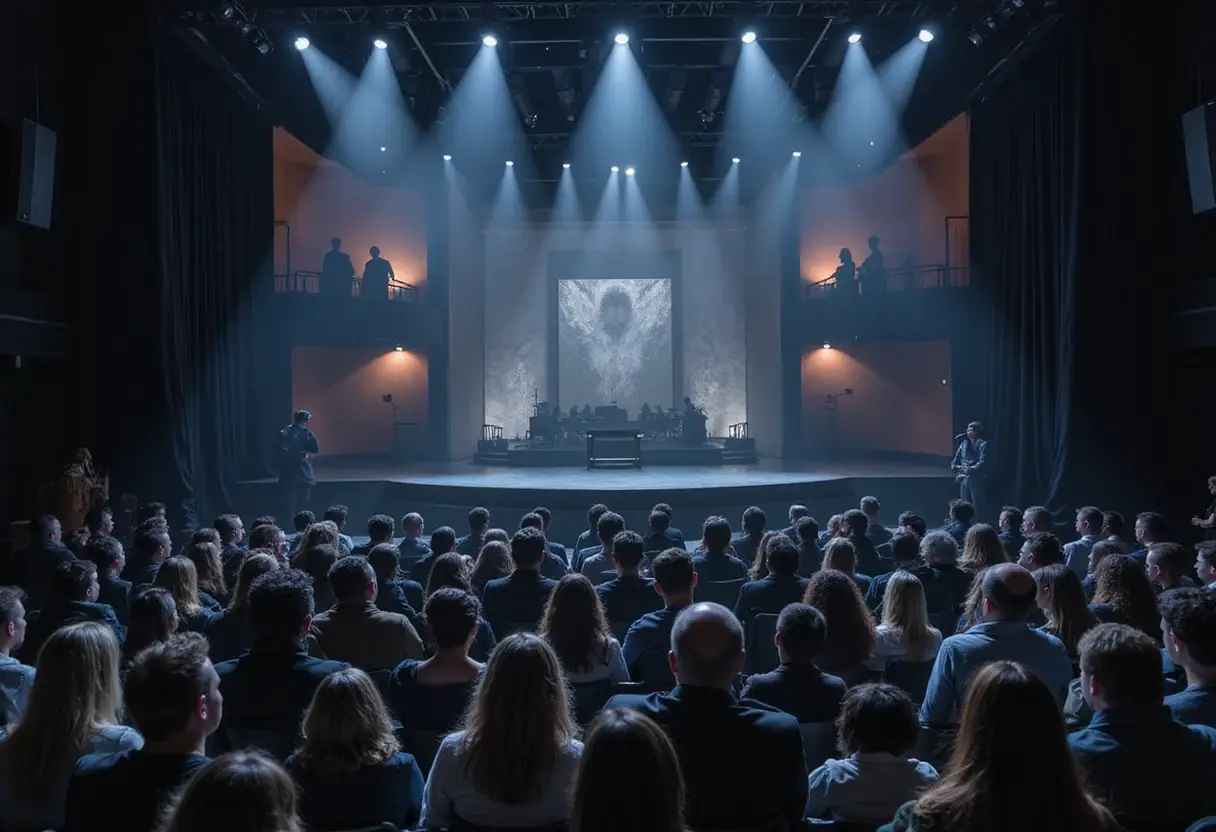
A new stage musical built on Władysław Szpilman's own compositions turns the Polish pianist's Holocaust survival memoir into an atmospheric chamber piece directed by Thom Southerland, who also adapted the book.
The premise sounds like a misstep. Szpilman's second world war story — the starvation, the hiding, the family lost to Auschwitz — sits uneasily beside the conventions of musical theatre, and Roman Polanski's acclaimed 2002 film, starring Adrien Brody, already fixed the memoir in the public imagination. Yet, as the review of the production argues, those who know both earlier retellings "will still find something new and affecting here," because the form earns its meaning through Szpilman's own music.
How does the staging work?
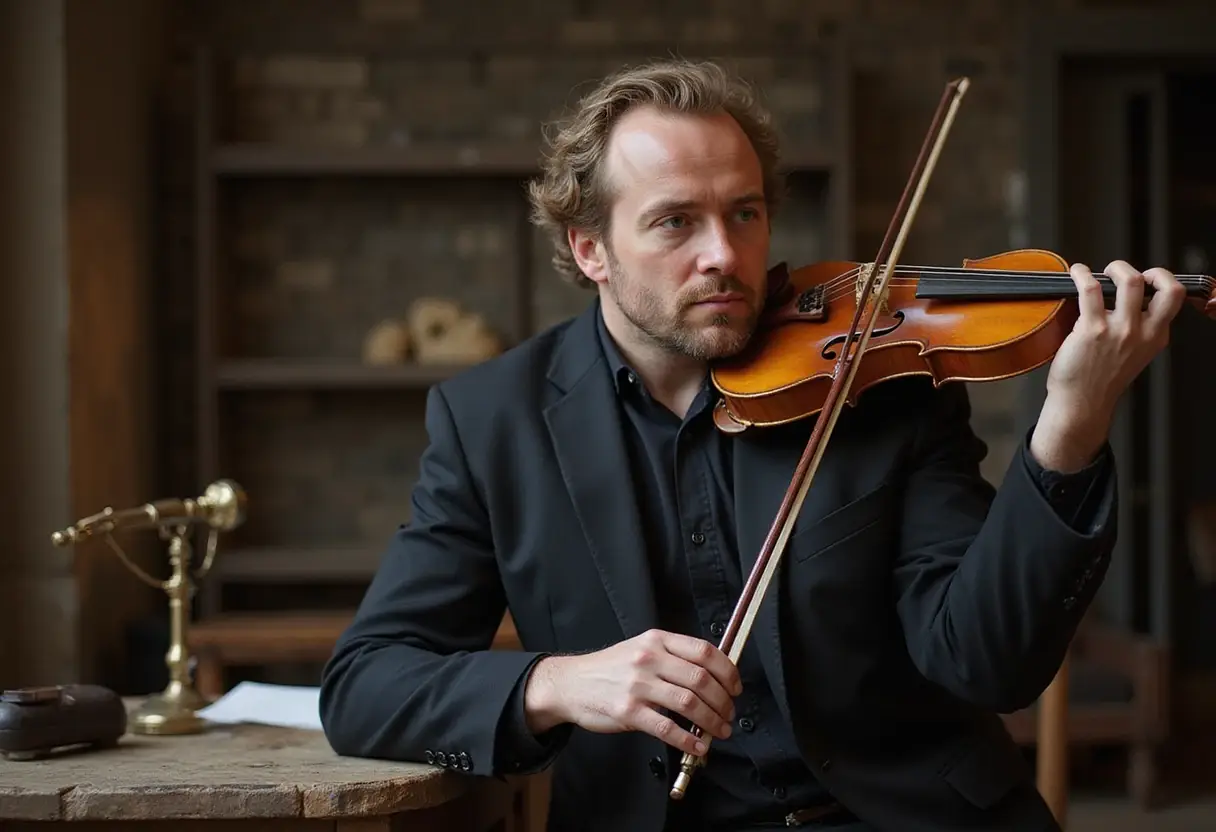
Southerland directs actors who play instruments, including a piano that twirls on and off stage. Daniel Krikler plays Szpilman as an elegantly otherworldly narrator, watching his younger wartime self (Malcolm Forbes-Peckham, the show's musical director) at the keyboard, performing Chopin's Nocturne in C-sharp minor alongside Szpilman's own compositions. The device, the review notes, is "a good way to portray out of body experience" — a man removed from himself, judging himself.
The family circle carries the first half. TJ Holmes plays Szpilman's father, who uses his cello to escape reality; Rosalind Ford plays the quietly determined mother. Nitai Levi plays brother Henryk, whose arguments with Władysław over whether to resist or merely survive hash out — perhaps too emphatically, the review suggests — an individual's responsibilities in wartime. The actors are accomplished musicians.
What does the music achieve?
Not everything lands. Some numbers carry "a warm, nostalgic 1930s glow" showing Warsaw before and after its surrender, when Szpilman worked for Polish radio, and the accompanying music at times "verges on sentimental." The piece is judged too smooth overall: the savagery outside Szpilman's own experience appears only in glimmers.
The review concedes that this may be the point. The production draws out class distinctions and the family's privilege, Szpilman's survivor's guilt, and the slow slide into totalitarianism — denial, disbelief, the narrowing world. Andrzej Goulding's set design delivers the separation scene, just as the family arrives at Auschwitz, with sudden force: the back wall comes to resemble a cattle truck. Other chilling moments follow — a boy bludgeoned to death, the person hiding Szpilman ordering him out of the home.
Where does it falter?
The second half, with Szpilman alone and in hiding, slackens. The musical interludes feel protracted — perhaps, the review speculates, because the production is honouring Szpilman's music in its fullness. The place of music in survival, it adds, is only tacitly explored and could be more penetrating.
The closing image settles the question of what the form finally earns. Krikler's haunted Szpilman at last sits down at the piano himself to play "Out of the Darkness" — described as "a survivor, finally inhabiting his music." A handsomely orchestrated production, moving where it counts, though its smoothness leaves the harshest history at the edges of the frame.
Source: Guardian Stage
More from Tom Whitfield
Show full bio
Market editor covering people, launches and day-to-day practice in arts in the broadest sense at Arts & Voices.
805 articles