Tilda Swinton Reteams With Apichatpong Weerasethakul on 'Jengira's Magnificent Dream'
Piano, the Mexican company behind 'Triangle of Sadness,' has boarded Apichatpong Weerasethakul's 'Jengira's Magnificent Dream,' with Tilda Swinton attached, producer Julio Chavezmontes confirmed.

Programme
- Piano has boarded Apichatpong Weerasethakul's 'Jengira's Magnificent Dream,' producer Julio Chavezmontes confirmed.
- Tilda Swinton is attached, reuniting with Weerasethakul after 'Memory' (2021), which won a Cannes Jury Prize ex aequo.
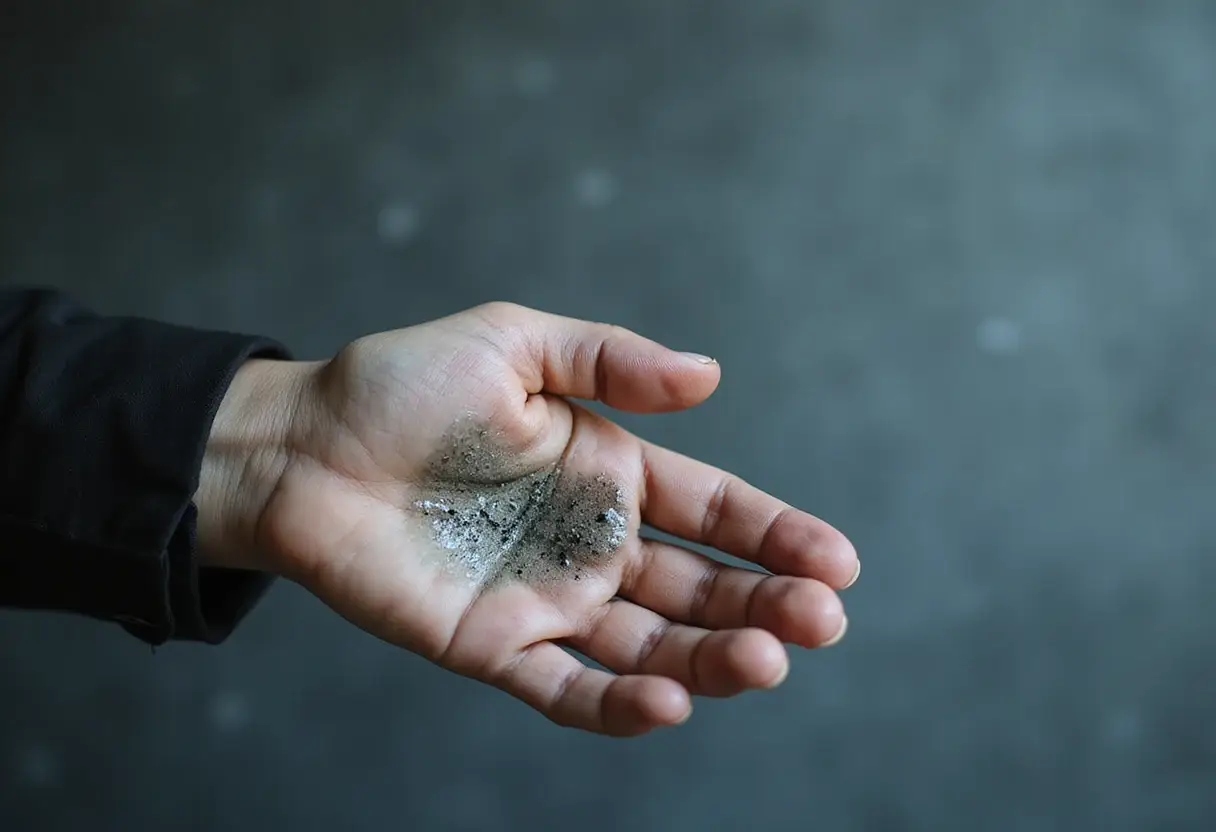
- The film follows Thai widow Jengira to Sri Lanka's Sigiriya rock forest to scatter her husband's ashes.
- Piano co-produced Ruben Östlund's 'Triangle of Sadness,' winner of the 2022 Palme d'Or.
- Chavezmontes called for a long-term Mexican film policy building on the new 30% tax incentive.
Piano, the Mexican company that co-produced Ruben Östlund's Palme d'Or winner "Triangle of Sadness," has boarded Apichatpong Weerasethakul's "Jengira's Magnificent Dream," producer Julio Chavezmontes confirmed. Tilda Swinton is attached to the project, reuniting with the Thai director after their collaboration on "Memory."
Piano co-produced "Memory" (2021) alongside Colombia's Burning and other partners. That film premiered in Competition at Cannes and took a Jury Prize, ex aequo. So this new deal extends a working relationship, not a fresh bet.
What is the film about?
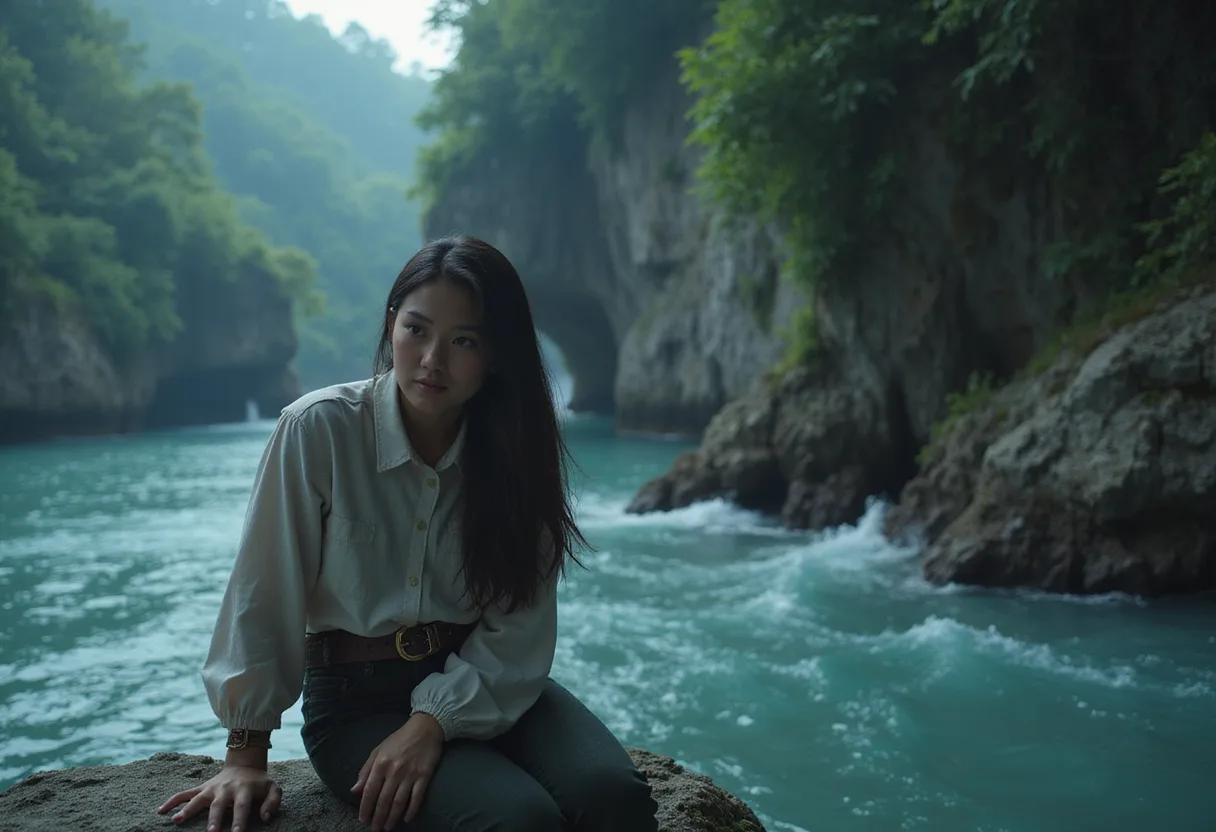
"Jengira's Magnificent Dream" follows Jengira, a Thai widow who travels to Sigiriya, the ancient rock forest in central Sri Lanka, to scatter her husband's ashes. Blurred visions distort her sense of time and space and pull her across different periods. Guided by science and empathy, she becomes a living portal between past, future and spirit.
The film blends 1970s sci-fi aesthetics with a timeless world in which cell phones are the only markers of temporal difference. Weerasethakul blurs the boundaries between memory, history and the supernatural.
Joining Swinton in the cast are Thailand's Jenjira Pongpas ("Cemetery of Splendor") and Sakda Kaewbuadee ("Tropical Malady"), plus Canadian actor Connor Jessup ("Falling Skies").
How does the project fit Piano's strategy?
The deal matches Piano's record of international co-productions with directors who push at conventional cinematic boundaries. Chavezmontes, who runs the company, says the format of a project matters less than its promise.
"If something strikes us as potentially incredible, then the format is absolutely secondary," he told Variety.
His producing credits include Lucrecia Martel's "Our Land," Luis Ortega's San Sebastian Horizons-winning "The Jockey" and Abel Ferrara's "Siberia." The Östlund partnership grew out of "Time Share," the 2018 Sundance competitor that Chavezmontes wrote and produced. That film's jury was presided over by Östlund and awarded it best screenplay. Piano, which had distributed Östlund's "The Square," was later approached about co-producing "Triangle of Sadness." "Of course, the answer was an immediate yes!" Chavezmontes recalls.
He resists defining Piano by a single title or genre. "We tend to be quite chameleonic in the kinds of films we make, and we like to challenge those categories," he says. "We do that because we're genuinely committed to exploring new things and finding stories that move us."
Why co-production, not just money?
For Chavezmontes, the test of any project is whether it resonates with him as an ordinary moviegoer. He believes a film that moves him can reach audiences beyond the industry.
He frames co-production as a creative engine rather than a financing trick. "Ultimately, what really defines a co-production is the people who come together to collaborate," he says. "The creative team, the technical crew – they're the ones who actually make the films. Money simply makes it possible to hire them."
That exchange of ideas, he argues, matters at least as much as the financial benefits when filmmakers pursue ambitious projects.
What does this change for Mexico?
Piano arrives at this year's Morelia Film Festival, where it also marks an anniversary, with Chile's Oscar submission "The Meltdown" by Manuela Martelli, which it co-produced, and five titles it distributes: "American Doctor," "Mickey," "The Lost Mariachis," "Shana" and "Beauty Salon." At the upcoming Ventana Sur, it takes Jorge Sistos Moreno's debut feature "The Absence" to the Proyecta Co-Production Forum.
Beyond individual projects, Chavezmontes wants Mexico to build on its new 30% tax incentive for homegrown and international productions with a broader, long-term audiovisual policy. He welcomed state-level incentives in Jalisco and Morelos but argued Mexico needs a comprehensive system comparable to Spain, Brazil and Colombia.
"We've reached a point where people understand that the audiovisual sector isn't simply a matter of cultural support," he says. "It's an industrial catalyst."
He believes Mexico has the talent, infrastructure, locations and tourism sector to compete internationally. The missing piece is a stable policy framework. With "Jengira's Magnificent Dream" now on its slate, Piano is betting that conviction-led picks — not formulas — keep paying off.
Source: Variety Film
More from Grace Kim
Show full bio
Correspondent covering technology and product news in arts in the broadest sense at Arts & Voices.
638 articles
Also on view
DreamWorks' Forgotten Island: Frantic Animation, Little Soul
Diversion Takes World Sales on Karlovy Vary Title 'The Ink-Stained Hand and a Missing Thumb'
Liza Soberano and H.E.R. on the Friendship at the Heart of 'Forgotten Island'
Jacqueline Lentzou's Chapter Phaedra Turns a Teenager's Day Into a Shapeshifting Vision