Tokyo Jury Chief Rolf de Heer Downplays FIAPF A-List Label
Rolf de Heer says Tokyo 'was effectively an A festival' before FIAPF's new 17-festival A-list, downplaying the March accreditation change at the TIFF jury presser.
Programme
- FIAPF named 17 festivals A-list in March 2024, including Tokyo, Toronto and Busan for the first time.
- Rolf de Heer presides over the 39th Tokyo International Film Festival competition jury.
- The five-member jury will award the Tokyo Grand Prix from 15 competition titles.
- The festival runs through Nov. 4.
- Oh Jungwan recalled once arguing seven hours in a jury deliberation.
By Grace Kim
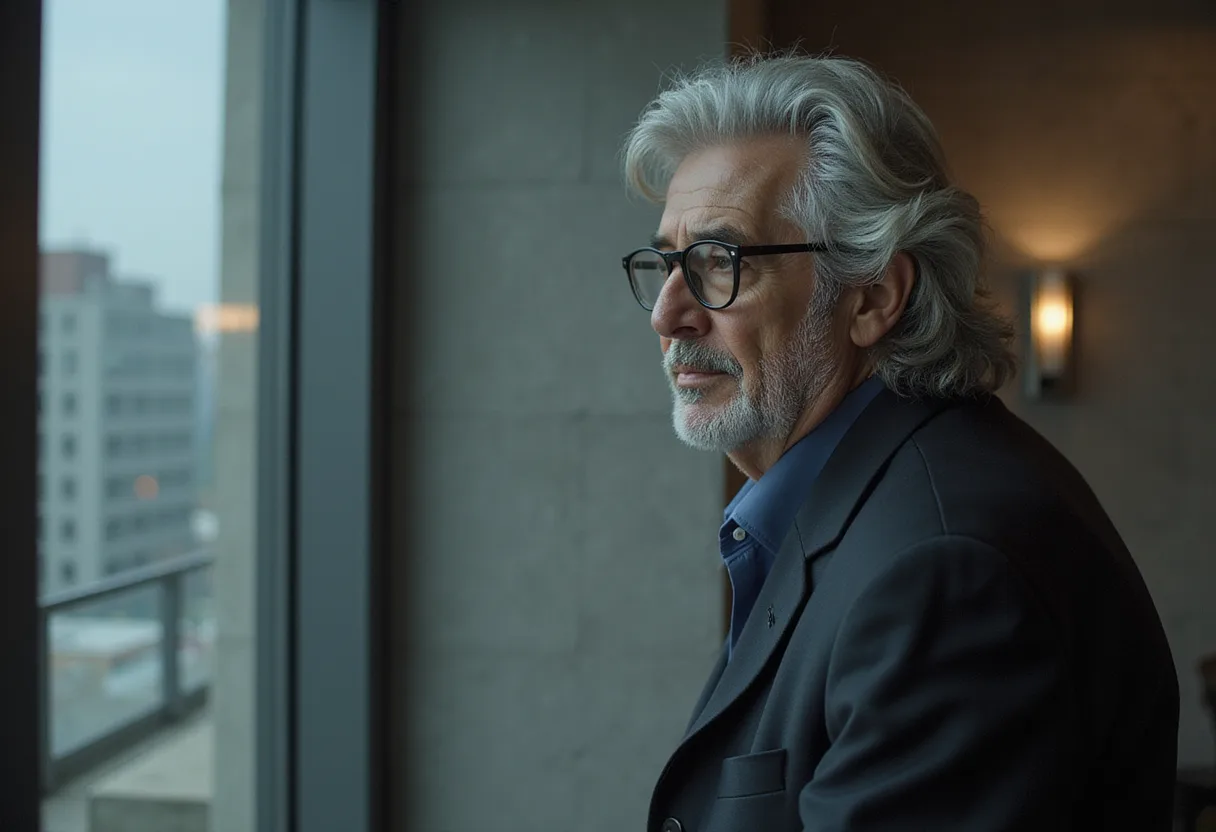
Rolf de Heer, president of the 39th Tokyo International Film Festival's competition jury, has dismissed the practical impact of FIAPF's new A-list accreditation, saying Tokyo "was effectively an A festival" already. His verdict came at the jury's press conference on Tuesday, where a journalist asked whether the official classification mattered or had become a redundant system.
What did FIAPF actually change?
In March, FIAPF — the international federation of film producers' associations — scrapped its four-category accreditation system and replaced it with a single list. It designated 17 festivals as A-list, a term the industry had long used informally. Cannes, Berlin, Venice, Toronto, Busan, Shanghai, Cairo and Tokyo all made the cut. Busan and Toronto appeared on the list for the first time.
De Heer, the Australian director of "Bad Boy Bubby" and "Ten Canoes," said the label changes little. "I think Tokyo has always been considered one of those festivals by most people who attend festivals," he said. "Tokyo was effectively an A festival. And so in that sense, I don't think it makes a lot of difference."
He conceded one exception. The classification now seems to carry more weight in determining the quality of films a festival can secure. "So in that sense, it may help that it is officially now again A, but I don't think it changes the festival so much," de Heer said.
Does the label matter to audiences?
What does this change for viewers? Probably nothing, according to jury member Oh Jungwan. The Korean producer, founder of Bom Film Productions ("The Foul King," "A Tale of Two Sisters," "A Bittersweet Life"), said de Heer's answer covered it and that she was "not a film festival person."
"As an audience, we're not going to the festival because of their A-list or not. We just go to watch film and enjoy the feeling, the festival feeling," Oh said.
The journalist pressed for someone to call out a system that ranks some festivals above others. De Heer offered a final word: "It matters a great deal to some people, and not at all to others. And that is as it should be."
The rest of the five-member panel did not weigh in. It includes Japanese actor Watanabe Makiko ("M/Other," "Love Exposure," "Tokyo Vice"), New York- and Tokyo-based producer Alex Lo of Cinema Inutile — whose credits include Jim Jarmusch's Venice Golden Lion winner "Father Mother Sister Brother" — and Tokyo-based colorist Yov Moor ("The Taste of Things," "Grand Tour"). They will choose the Tokyo Grand Prix from 15 competition titles before the festival closes on Nov. 4.
Co-productions and jury fights
De Heer also addressed Australia-Japan co-production prospects, and his take was blunt. "It makes no sense for a Japanese film to shoot in Australia, it makes no sense for an Australian film to shoot in Japan," he said. "Europe is very good at doing co-productions only on a financial basis, really. Australia is not so good at that."
He left the door open for projects built on "a natural story where some things need to be shot in Japan, some things need to be shot in Australia" — "if the scripts come and if they are right."
Lo, whose "Heads or Tails?" won best director at Tokyo last year, said producers in Europe, the U.S. and elsewhere "are increasingly seeking co-production opportunities," largely because local government support is lacking.
On how a divided jury would settle on a winner, de Heer kept it flexible. "I'm with four other very reasonable people, and I'm sure we can find a way through that we don't end up with some sort of lesser compromised film, but a really interesting film that maybe some of us don't like," he said.
Oh, a Tokyo juror for the second time, recalled once arguing for seven hours on behalf of a film. "Every other jury [member] hated me," she said — adding that she hoped she wouldn't have to fight de Heer for seven hours this time.
Source: Variety Film
More from Grace Kim
Show full bio
Correspondent covering technology and product news in arts in the broadest sense at Arts & Voices.
941 articles