Toledo, the 'Glass City,' Turns Industry into Glass Art
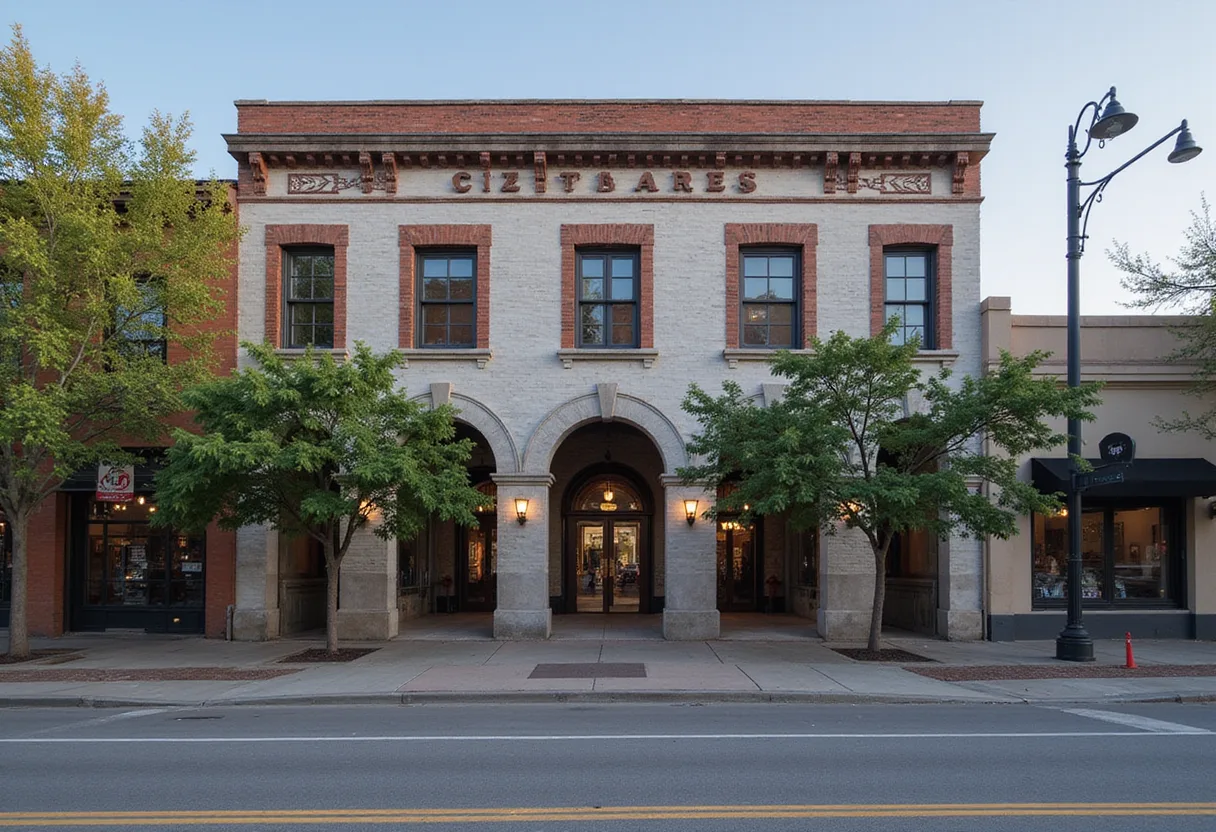
Toledo became the 'Glass City' when manufacturers concentrated there in the 1880s. Today the Ohio city holds a remarkable glass art collection and a thriving artist community.

Programme
- Toledo was dubbed 'Glass City' after glass manufacturers concentrated there in the 1880s.
- The city is now home to a remarkable collection of glass art, per NPR.
- Toledo supports a thriving community of glass artists, NPR reports.
- The industrial skill of glassmaking transferred from factories to studios over more than a century.
Toledo earned the name "Glass City" in the 1880s, when glass manufacturers concentrated in the Ohio city. That industrial past has not faded into memory. According to a recent NPR report, Toledo today holds a remarkable collection of glass art and supports a thriving community of artists working in the material.
The story is a simple one on its face. Capital came first. Factories followed. Then, over more than a century, the practical knowledge of how to shape molten glass passed from industrial plants into studios and galleries. What began as production work became creative work.
What does an industrial nickname mean for artists?
For a city the size of Toledo, it means the raw ingredient of an art scene: people who know the material. Manufacturers concentrated there in the 1880s, as NPR recounts, and the city built its identity around the substance rather than around a single company. When the industry's footprint changed, the skill remained.
That skill now shows up in two forms, according to the report:
- A remarkable collection of glass art, housed in the city
- A thriving community of artists who continue to work in glass
The city's nickname, once a label for factory output, now describes cultural production. The same word covers both the historical manufacturers and the contemporary makers.
Why does this matter beyond Toledo?
Toledo's trajectory offers a template other former industrial cities have studied. A dominant trade can outlive its factories if the craft transfers to independent hands. In Toledo's case, the report notes, the transfer produced neither a museum piece nor a ghost of production. It produced working artists.
The practical question is what this changes for the visitor and for the field. For the visitor, it means a midwestern city with a concentration of glass art that few peer cities can match, rooted in a documented industrial history that dates to the 1880s. For the field, it shows that studio glass movements can grow directly out of manufacturing regions rather than only out of major coastal art centers.
The name stuck. The industry that earned it did not stay. The artists, by the report's account, are the ones who keep both the name and the material alive, and their community continues to grow around a collection the city has assembled over the decades since its factories first fired their furnaces.
Original: media.npr.org
More from Marcus Bennett
Show full bio
Staff writer covering people, launches and day-to-day practice in arts in the broadest sense at Arts & Voices.
605 articles