Two Colossal Ramses II Statues Unearthed in Egypt's Nile Delta
Egypt's Ministry of Tourism and Antiquities reports two colossal Ramses II statues found in Behbeit Al-Hagar after a citizen reported an inscribed stone. One head measures 1.6m.
Programme
- Two enormous statues of King Ramses II discovered at Behbeit Al-Hagar in the Nile Delta.
- One carved stone head measures about 1.6m (5'3"), suggesting a full statue over 8.5m (27 feet).
- The back pillar bears the King's Horus name: "Hor-Ka-Nakht-Mery-Maat."
- The find followed a citizen's report of a hieroglyphic-inscribed stone on private property.
- The site is known for the Iseion, an ancient temple devoted to the goddess Isis.
By Elena Vasquez
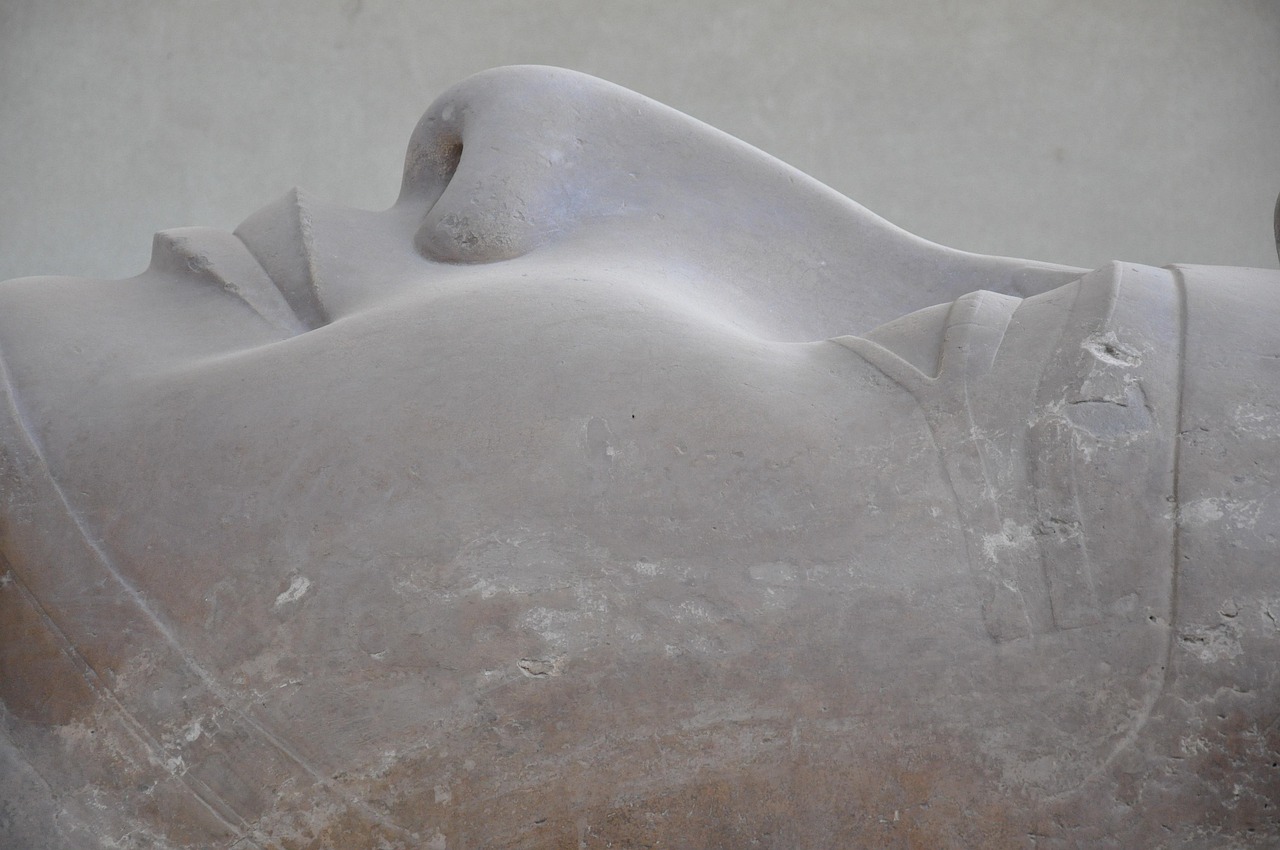
Egyptian archaeologists have unearthed the remains of two enormous statues of King Ramses II in the village of Behbeit Al-Hagar, the Egyptian Ministry of Tourism and Antiquities announced. One carved stone head measures roughly 5 feet 3 inches (1.6 meters) tall — evidence that the complete statue would likely have exceeded 27 feet (8.5 meters).
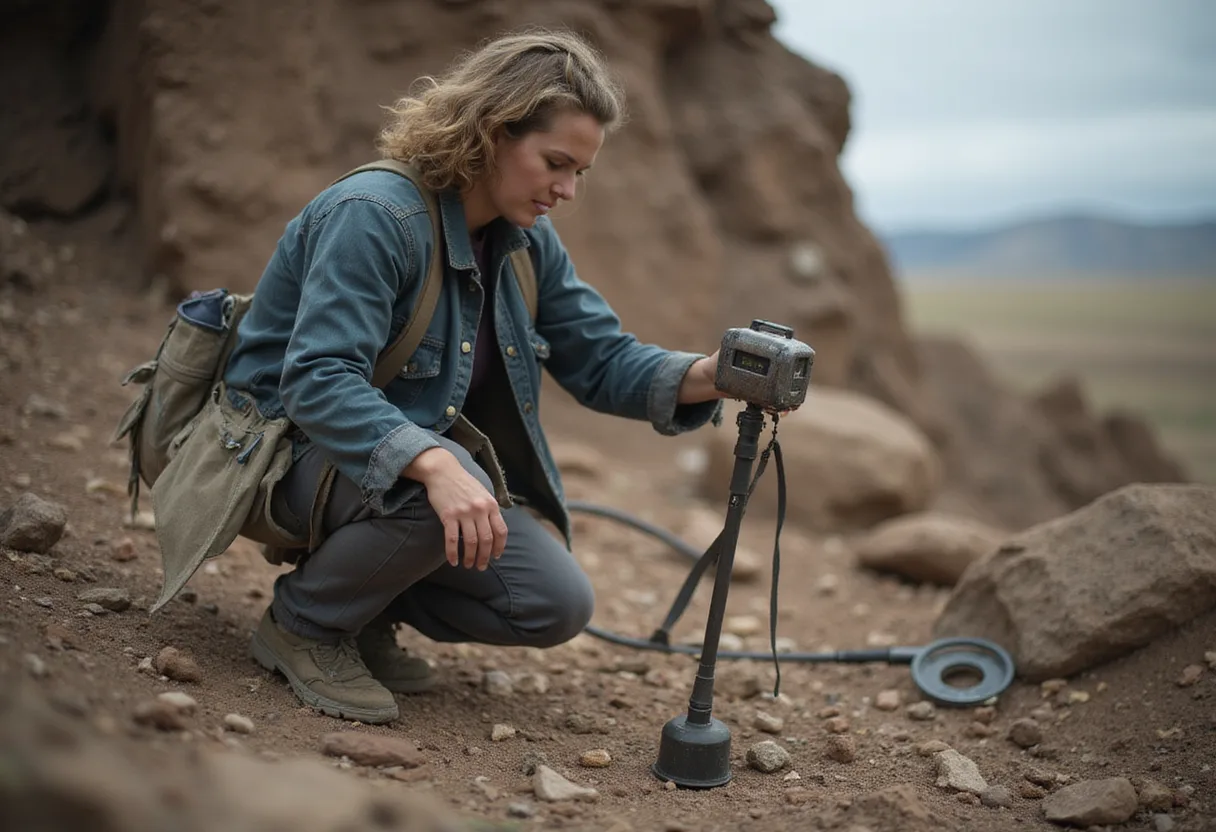
The find began with a phone call, not a scheduled dig. A citizen notified antiquities authorities after discovering a stone bearing hieroglyphic inscriptions on his property, according to the Ministry's press statement. Excavation followed at Behbeit Al-Hagar, a known archaeological site in the Nile Delta.
What exactly did the excavation yield?
The Ministry detailed two principal finds:
- One carved stone head of Ramses II, depicted wearing the double crown that signified the pharaoh's unified rule over Upper and Lower Egypt.
- The upper portion of the statue's back pillar, found nearby, bearing an inscription of the King's Horus name: "Hor-Ka-Nakht-Mery-Maat."
The 1.6-meter head provides the basis for the size estimate: at that proportion, the full figure would have surpassed 8.5 meters — a scale the Ministry's statement notes connotes immense artistic significance. For comparison, the head alone stands taller than most adults.
The presence of two statue remains, rather than one, points to a pair of monuments at the site. The Ministry did not state when excavation will continue.
Why does Behbeit Al-Hagar matter?
Behbeit Al-Hagar is best known for the ruins of the Iseion, an ancient Egyptian temple devoted to the goddess Isis. The village sits in the Nile Delta, a region densely layered with New Kingdom archaeology.
The Horus name inscribed on the back pillar — "Hor-Ka-Nakht-Mery-Maat" — ties the statue directly to Ramses II, the pharaoh who reigned in the New Kingdom period and whose building program produced monuments across Egypt.
The double crown on the recovered head carries symbolic weight: it marked dominion over both Upper and Lower Egypt, the twin halves of the unified kingdom.
What happens next?
The discovery adds to the documented record of Ramses II monuments in the Delta, and the citizen's role in reporting the inscribed stone underscores how private land still yields major finds outside formal excavation zones. Further study of the two statues may clarify their original placement relative to the Iseion, which remains the site's defining ruin.
The Ministry has not yet announced whether the heads will go on public display.
Original: storage.ghost.io
More from Elena Vasquez
Show full bio
Senior reporter covering technology and product news in arts in the broadest sense at Arts & Voices.
606 articles